Table of Contents >> Show >> Hide
- Tip 1: Clear out the guest bedroom (yes, the treadmill counts)
- Tip 2: Make up a comfortable bed (equipped for lounging)
- Tip 3: Add layers (because people can’t agree on temperature)
- Tip 4: Strike a balance on the nightstand
- Tip 5: Don’t overlook the bath
- Tip 6: Put yourself in your guests’ shoes (best tip, most ignored)
- Guest-ready essentials checklist (print this in your brain)
- The “30-minute reset” for surprise guests
- Conclusion: Hospitality is mostly logistics wearing a nice throw blanket
- Experiences & lessons from real-world hosting (500-ish words of “been there” energy)
Your spare room has a secret identity. By day it’s a storage unit for “temporarily” parked stuff.
By nightwhenever guests show upit’s expected to become a calm, cozy retreat that whispers,
“Welcome, we totally planned for you,” even if you panic-cleaned while they were pulling into the driveway.
The good news: making a guest bedroom feel intentional doesn’t require a full renovation or hotel-level
thread counts that cost more than your first car. It’s about removing friction. A place to put a bag.
A light that doesn’t require a scavenger hunt. Towels that don’t feel like you borrowed them from a middle school gym.
Below are six practical, style-smart tips inspired by Tricia Rose (a linen expert known for keeping things simple,
breathable, and deeply comfortable). Each tip includes specific, real-life upgradesbecause your guests shouldn’t
have to ask where the bathroom is or how to turn off the lamp.
Tip 1: Clear out the guest bedroom (yes, the treadmill counts)
A guest room can be small, plain, and still feel wonderful. What it can’t be is crowded with
mystery piles labeled “Deal with later.” Clutter doesn’t just look messyit makes guests feel like
they’re sleeping in a corner of your life rather than in a space prepared for them.
What to remove, what to hide, what to keep
- Remove: anything that blocks walking paths (exercise equipment, boxes, spare chairs).
- Hide: under-bed storage with a bedskirt, bins with lids, or a neat closet zone.
- Keep: one useful surface (dresser or small desk) and an empty drawer or two.
Make “landing space” non-negotiable
Guests arrive carrying a bag, a phone, and the faint stress of being in someone else’s house.
Give them an easy landing zone: a luggage rack, a bench, or even a cleared chair with a folded throw.
Bonus points if the closet has a few empty hangers and the dresser has at least one empty drawer.
If the room must double as storage, aim for “invisible storage”: under-bed drawers, uniform baskets,
or a single cabinet. The goal isn’t perfection. It’s making the room feel like a room again.
Tip 2: Make up a comfortable bed (equipped for lounging)
Your guest bed is the headline act. Everything else is supporting cast. If the bed is comfortable,
guests forgive the lack of matching décor. If the bed is uncomfortable… well, you’ll hear about it
in the form of extra coffee consumption and suspicious afternoon “walks.”
Start with a quick bed audit
- Mattress: does it sag, squeak, or feel too firm? If yes, consider a quality topper.
- Pillows: provide at least two per personideally one firm, one softer.
- Freshness: air the room and bedding so it doesn’t smell like “closed door since 2019.”
- Protection: a washable mattress protector helps keep everything clean and allergy-friendlier.
Offer “choose-your-own-comfort” without being weird about it
You don’t need a laminated pillow menu (unless that’s your love language).
But you can stack the deck: put an extra pillow and folded blanket in the closet and mention,
“Use anything you need.” That one sentence gives guests permission to get comfortable.
Make the bed good for reading, not just sleeping
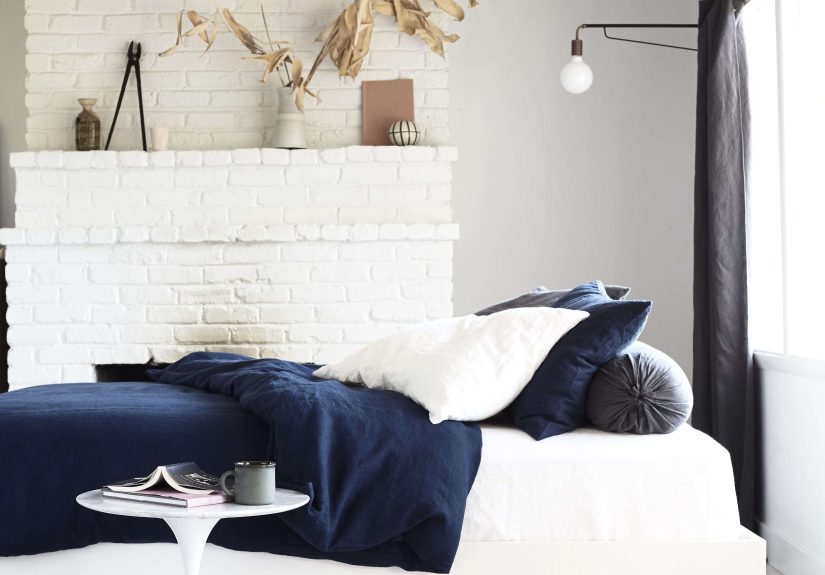
Tricia’s approach includes thinking about lounging: a pillow or bolster that supports sitting up,
plus lighting that doesn’t blast like an interrogation lamp. If you can, provide an easy bedside lamp
or wall-mounted reading light so guests aren’t forced to hold their phone above their face like a campfire storyteller.
Bedding-wise, breathable natural fabrics (cotton percale, linen, or blends) tend to feel crisp and comfortable,
especially for people who run warm. Whatever you choose, prioritize clean, well-fitting sheets and a duvet/comforter
that’s appropriate for the season.
Tip 3: Add layers (because people can’t agree on temperature)
If you’ve ever hosted two adults who argue about “freezing” versus “perfectly fine,” you already know:
temperature comfort is personal. Layering solves this without turning you into a 24/7 thermostat concierge.
Your simple layering formula
- Base: sheet + main blanket/duvet
- Extra warmth: a throw or folded blanket at the foot of the bed
- Cooling option: a small fan (or at least instructions for the ceiling fan)
A throw at the end of the bed looks styled and functions like a comfort upgrade. Guests can wrap it around
their shoulders while readingor while pretending they aren’t eavesdropping on the household’s late-night snack plans.
Don’t forget the “sleep environment” basics
- Room-darkening help: blackout curtains, a sleep mask, or at minimum shades that actually work.
- Noise buffer: a small white-noise machine, fan, or a pair of earplugs in the nightstand.
- Comfort underfoot: a soft rug or slippersnobody loves cold floors at 2 a.m.
Tip 4: Strike a balance on the nightstand
The nightstand is where hospitality becomes obvious. It’s also where over-hosting can get… awkward.
A charming carafe and glass? Lovely. A full snack buffet next to the bed? Risky. (Crumbs have a way of
migrating into sheets like tiny, crunchy hitchhikers.)
The “just right” nightstand setup
- Water: a carafe or bottle + a clean glass
- Light: lamp with an easy-to-find switch (test it yourself)
- Charging: a multi-port charger or clearly accessible outlet
- Basics: tissues, a small coaster, and maybe a notepad + pen
Leave friendly info without writing a novel
A tiny “welcome note” can prevent a dozen questions. Keep it short:
- Wi-Fi name + password
- Where the extra towels/blankets are
- Any house quirks (sticky lock, loud floorboard, “jiggle the handle”)said with humor
- Morning coffee plan (“Help yourself,” or “I’m up at 7 if you want a cup”)
One more thing: if you’re tempted to put cookies on the nightstand, consider placing snacks in the kitchen instead.
Guests will wander out eventuallyand you’ll both survive without bedside crumbs.
Tip 5: Don’t overlook the bath
Guests can tolerate a small room. They can tolerate a quirky paint color. They have a harder time tolerating
a bathroom that feels understocked or confusing. A guest-ready bath is about comfort, privacy, and having what
people need without having to ask.
Stock it “like a hotel,” not “like a pharmacy”
You don’t need an entire aisle of products. Aim for a small, neat basket with:
- Fresh soap (bar or liquid) + lotion
- Extra toilet paper in plain sight
- Travel-size shampoo/conditioner (optional, but appreciated)
- Spare toothbrush/toothpaste (the classic “oops” items)
- Hair ties or a simple comb (tiny items, huge gratitude)
Towels: set them up for success
Put out clean bath towels and a stack of washcloths. A spa-like move: roll a few washcloths and place them in a basket.
If guests share a hallway bath, consider leaving a towel set in the bedroom toothis prevents the dreaded towel dash.
Cleaning that’s guest-friendly (and not chemical-chaos)
Focus on high-touch zones: faucet handles, light switches, doorknobs, and the toilet handle/seat.
If you use stronger cleaners like bleach, follow label directions and never mix bleach with ammonia, vinegar,
or other acids. “More chemicals” is not the same as “more clean,” and nobody wants surprise fumes.
For linens and towels, wash using detergent and the warmest appropriate water setting for the fabric,
then dry items completely. It’s also smart to wash your hands after handling dirty laundry.
(Yes, that’s basic. No, we do not always do basic when we’re in a hurry.)
Tip 6: Put yourself in your guests’ shoes (best tip, most ignored)
Want the fastest way to spot what’s missing? Sleep in the guest room yourself.
It’s the hospitality equivalent of proofreading out loud: suddenly you notice everything.
Your “test-drive” checklist
- Can you find the light switch without getting up?
- Does the door latch quietly, or does it announce itself like a gong?
- Is there a place for a suitcase that isn’t the middle of the floor?
- Is the room too bright at night (streetlight glare), too hot, too cold, or too noisy?
- Do you know where the bathroom is in the dark?
The goal isn’t turning your home into a hotel. It’s removing the little stressors that make guests feel like
they have to tiptoe through your routines. When in doubt, choose comfort and clarity over decoration.
Guest-ready essentials checklist (print this in your brain)
Bedroom
- Fresh sheets and pillowcases; extra blanket/throw
- Two pillows per guest (or one extra option in the closet)
- Nightstand with water, lamp, tissues, charging
- Clear space: luggage rack/bench and a few hangers
- Wastebasket (guests should not have to carry wrappers like evidence)
Bathroom
- Clean towels + washcloths in an obvious spot
- Soap, lotion, and extra toilet paper visible
- Small “forgotten items” kit (toothbrush, toothpaste, etc.)
- Clean mirror, sink, and high-touch surfaces
The “30-minute reset” for surprise guests
If your guests are arriving soon and you’re currently making eye contact with a pile of unfolded laundry,
breathe. Do this sequence:
- Ventilate: open the window for 5 minutes to freshen the air.
- Bed first: remake it with clean sheets (or at least fresh pillowcases) and smooth the duvet.
- Bathroom basics: wipe sink/toilet, put out clean towels, restock toilet paper.
- Floors fast: quick vacuum or sweep where feet will land.
- Nightstand setup: water + glass, lamp, charger, tissues.
- One welcoming touch: a small plant, a book, or a short note with Wi-Fi.
Done. Your spare room is now guest-ready enough that no one will suspect it housed three random boxes
and a regret-purchase exercise bike yesterday.
Experiences & lessons from real-world hosting (500-ish words of “been there” energy)
1) The Midnight Water Hunt
This is the classic: your guest wakes up thirsty at 2 a.m. and doesn’t know where your glasses are,
which cabinets squeak, or whether the hallway light switch is booby-trapped. They tiptoe around like
they’re in a museum. A simple carafe (or bottle) and a clean glass on the nightstand solves this
instantly. It’s not “extra.” It’s preventative hospitality. And it saves everyone from the soft panic
of bumping into a chair in the dark.
2) The Suitcase-on-the-Floor Spiral
Guests often hesitate to unpack because they don’t want to invade your space. If there’s no obvious
place to put a suitcaseno rack, no bench, no cleared cornerthey’ll live out of a bag on the floor.
That gets old fast. A luggage rack and three empty hangers feels small, but it communicates:
“You can settle in.” The room doesn’t need a huge closet; it needs permission and a plan.
3) The Temperature Debate (Starring: One Blanket)
In many homes, the guest room is the “end of the HVAC line.” It’s either warmer, cooler, or somehow both.
This is where layered bedding shines. A guest who runs cold can grab the throw. A hot sleeper can ditch
the top layer and use a fan. The host doesn’t need to fiddle with the thermostat all night. The room
becomes adaptableand guests feel in control of their comfort, which is a quietly powerful form of welcome.
4) The Bathroom Dash
If the bathroom is shared, guests sometimes don’t know what to do with towels. Do they carry them back?
Leave them hanging? Ask? (No one wants to ask about towels.) Leaving a set in both the bathroom and the
bedroom removes confusion. Add a small basket for used washcloths and suddenly the whole situation feels
organized, not awkward. It’s the same reason hotels provide more than one towel: fewer decisions, more comfort.
5) The “How Do I Turn This On?” Tour
Every house has quirks: a lamp switch that’s hidden, a lock that sticks, a shower handle that requires a
specific twist. Guests don’t want a technical briefing, but they also don’t want to feel helpless.
A short note with Wi-Fi, bathroom location, and one or two “heads-up” quirks is golden. It’s also where you
can add warmth: “Coffee’s in the kitchenhelp yourself. If you hear a creak, that’s just the house saying hi.”
That’s the spirit of guest-readiness: comfort, clarity, and a little humanity.