Table of Contents >> Show >> Hide
Tea tree oil has one of the best reputations in the essential oil world. It is famous, fragrant, and forever showing up in face washes, dandruff shampoos, spot treatments, foot sprays, and the bathroom cabinet of that one friend who says, “I prefer natural products,” while owning seventeen serums. But popularity and proof are not the same thing, and that is exactly why tea tree oil deserves a closer look.
Also known as melaleuca oil or tea tree essential oil, this botanical extract comes from the leaves of Melaleuca alternifolia. It has long been promoted for acne, athlete’s foot, scalp concerns, minor skin irritation, and a range of “maybe this helps?” uses. The truth is more interesting than the hype. Tea tree oil does appear to have antimicrobial and anti-inflammatory properties, and some studies suggest it may help certain skin issues when used topically. At the same time, it is not a cure-all, it can irritate sensitive skin, and it should never be swallowed.
This guide explains what tea tree oil is, what it may actually help with, where the evidence is still thin, how to use it more safely, and what real-world experiences often look like. In other words, this is the practical, no-fairy-dust version of the story.
What Is Tea Tree Oil?
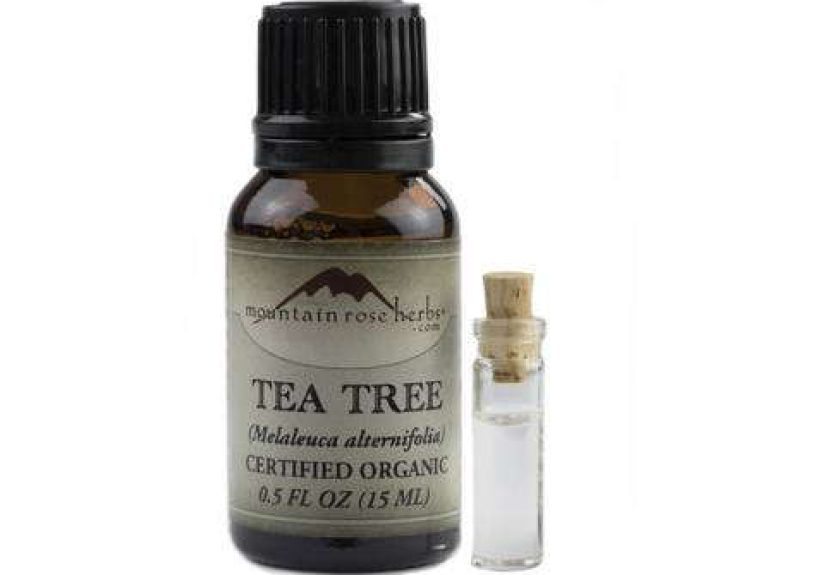
Tea tree oil is an essential oil made by steam distilling the leaves of the Australian tea tree. It is widely used in topical skin and hair products because it has a fresh medicinal scent and a reputation for fighting bacteria and fungi. That reputation is not entirely marketing fluff. Laboratory research has shown that tea tree oil contains compounds, especially terpinen-4-ol, that may help inhibit certain microbes. However, laboratory action is not always the same thing as reliable, consistent results on human skin.
That distinction matters. A product can sound impressive in a petri dish and still be less useful on a forehead breakout that arrived five minutes before picture day. So, when evaluating tea tree oil benefits, it helps to separate promising biology from proven outcomes.
Potential Benefits of Tea Tree Oil
1. Tea Tree Oil for Acne
Among the many uses of tea tree oil, acne is one of the most talked about and one of the most plausible. Tea tree oil may help reduce mild to moderate acne because it appears to have both anti-inflammatory and antimicrobial activity. In plain English, it may calm angry-looking pimples while also making life harder for some of the microbes associated with breakouts.
That said, tea tree oil is not usually considered the gold standard for acne treatment. Benzoyl peroxide, retinoids, salicylic acid, and prescription therapies have stronger evidence and are generally better studied. Tea tree oil may be a reasonable supporting option for some people, especially those who want a gentler topical alternative or are looking for a spot treatment. It may work more slowly than benzoyl peroxide, and results often require patience rather than one dramatic overnight miracle.
A practical example: someone with a few inflammatory pimples may try a well-formulated product containing tea tree oil and notice less redness after several weeks. Someone with cystic acne, widespread breakouts, or scarring is far more likely to need a broader acne plan from a dermatologist. Tea tree oil can sometimes play a role, but it should not be expected to carry the whole team on its back.
2. Athlete’s Foot and Other Fungal Skin Concerns
Tea tree oil is also commonly used for athlete’s foot. This is one of the better-supported non-acne uses, although the evidence is still modest rather than overwhelming. Some research suggests topical tea tree oil may help reduce symptoms such as itching, scaling, and irritation between the toes. The catch is that standard antifungal medications are usually more dependable.
So where does that leave tea tree oil? It may be helpful for mild cases or as part of a broader foot-care routine, especially for people who want to try a plant-based product first. But if the rash is persistent, painful, spreading, or not improving, proven antifungal treatments are usually the smarter move. Natural does not automatically mean stronger. Sometimes it just means the label has a leaf on it.
3. Scalp Care and Dandruff Products
Tea tree oil often appears in shampoos marketed for dandruff, itchy scalp, or oily buildup. There is some limited evidence that products containing tea tree oil may improve dandruff symptoms for certain users, especially when the oil is included at a moderate concentration in a rinse-off formula. This makes sense because scalp issues can involve oil, inflammation, and yeast overgrowth, which is basically a chaotic little party on your head.
Still, tea tree oil is not a guaranteed fix for every flaky scalp. Some dandruff is linked to seborrheic dermatitis, psoriasis, eczema, or product irritation, so treatment depends on the actual cause. If your scalp seems permanently offended by your existence, it may be time for a proper diagnosis instead of another bottle that promises “clarity.”
4. Eyelid and Demodex-Related Uses
Tea tree oil has also been studied for certain eyelid conditions, especially those involving Demodex mites. This is an area where people should be careful. Yes, tea tree oil has been explored in eyelid wipes and targeted treatments, but the eye area is sensitive, and effectiveness remains uncertain. The safest takeaway is simple: if the issue involves your eyelids or eyes, do not improvise with undiluted essential oil. That is not self-care. That is chaos with a dropper.
5. Nail Fungus and Other Popular Claims
If you have heard that tea tree oil can “cure” nail fungus, the evidence does not fully back up the enthusiasm. Research on tea tree oil for fungal nail infections is limited and mixed. It may help some people a little, but it has not shown the kind of consistent effectiveness that would make it a dependable first-line solution. Nails are stubborn, fungus is stubborn, and together they create a situation that laughs at shortcuts.
Tea tree oil is also promoted for lice, gingivitis, bad breath, minor cuts, insect bites, and various skin irritations. Some of these uses are biologically plausible, but many remain under-studied or uncertain. It is best to treat bold marketing claims the same way you would treat a suspicious text saying “Hey bestie, I made six figures in one week.” Proceed with caution.
How to Use Tea Tree Oil More Safely
If you want to try tea tree oil, the smartest approach is to use a reputable topical product rather than playing kitchen chemist with a mystery bottle and too much confidence. Cleansers, gels, creams, and shampoos that already contain tea tree oil are often easier and safer to use than applying straight essential oil directly to the skin.
Here are a few basic rules:
Patch Test First
Apply a small amount to a limited area of skin and wait to see how your skin reacts. This is especially important if you have sensitive skin, eczema, a history of allergies, or are already using active ingredients like retinoids, benzoyl peroxide, or exfoliating acids.
Do Not Swallow It
Tea tree oil is for external use only. Ingesting it can be toxic and may cause serious symptoms. It should not be used in or around the mouth unless it is part of a carefully formulated product specifically intended for that purpose, and even then it should not be swallowed.
Avoid the Eye Area
Do not apply standard tea tree oil products too close to the eyes. The skin is delicate, and accidental exposure can cause major irritation.
Start Low and Slow
More is not better. If a little helps, that does not mean your skin wants a tea tree oil monsoon. Overuse can lead to redness, dryness, stinging, burning, or allergic rash.
Store It Carefully
Keep tea tree oil away from children and pets. Concentrated essential oils can be dangerous if swallowed or improperly applied. Old, oxidized oil may also be more irritating than fresh product, so pay attention to storage and shelf life.
Side Effects and Safety Warnings
The biggest safety issue with tea tree oil is simple: topical does not mean harmless. Many people tolerate it well, but some experience irritation, itching, dryness, burning, or contact dermatitis. If your skin responds by acting personally offended, stop using it.
Another concern is product quality. Tea tree oil is not regulated like a prescription medication, so strength and purity can vary. That is one reason why pre-formulated products from established brands are often a better bet than random bargain bottles with labels that look like they were designed during a power outage.
People with eczema or highly reactive skin should be especially cautious. Oxidized oil can be more likely to trigger allergic reactions, and higher levels of irritating compounds may make matters worse. If you are pregnant, breastfeeding, treating a child, or managing a medical skin condition, it is wise to check with a healthcare professional before using tea tree oil regularly.
Tea Tree Oil and Pets: A Very Important Caution
This part deserves bold letters and probably a dramatic soundtrack: concentrated tea tree oil can be dangerous for pets. Dogs and cats are much more vulnerable to essential oil toxicity than many people realize. Even small amounts of concentrated tea tree oil may cause serious problems, especially when applied directly to the skin or accidentally ingested.
If you have pets at home, do not apply concentrated tea tree oil to them, and do not leave open bottles where curious noses can investigate. Some low-concentration pet products are formulated differently, but that does not mean all tea tree oil products are pet-safe. When in doubt, ask your veterinarian instead of trusting a social media reel narrated by someone holding a fern.
Who Should Consider Tea Tree Oil?
Tea tree oil may be worth considering for adults who want a topical, plant-based option for mild acne, minor scalp concerns, or mild athlete’s foot symptoms. It can fit into a simple skincare or body-care routine when expectations are realistic and safety comes first.
It may not be the best choice for people with very sensitive skin, eczema, severe acne, worsening fungal infections, unexplained rashes, or any condition involving broken skin, eyes, or large body areas. In those cases, stronger evidence-based treatment is usually the better path.
Tea Tree Oil Experiences: What People Commonly Notice
Experiences with tea tree oil tend to fall into a few recognizable patterns. First, many people describe it as a “slow but satisfying” ingredient. Unlike products that tingle dramatically and make you feel as though chemistry is happening at championship level, tea tree oil often works quietly. A person with occasional pimples may notice that individual blemishes look less red after several days, or that a breakout seems a little calmer after a few weeks of consistent use. The biggest lesson from those experiences is patience. Tea tree oil is rarely the skincare equivalent of a superhero landing.
Second, people often report that formulation matters more than they expected. Someone who uses a well-made cleanser or gel with tea tree oil may like the results, while someone who dabs straight essential oil on a breakout may end up with dryness, peeling, or irritation and conclude that tea tree oil is a villain in a tiny bottle. In reality, the difference is often not the ingredient itself but how it is prepared, diluted, combined, and used.
Third, there is a strong “works for me, not for my cousin” effect. One person may swear by tea tree shampoo for an itchy scalp, while another says it made their head feel like it had entered a desert climate. People with oilier skin sometimes tolerate tea tree products better, while those with sensitive or compromised skin barriers may react quickly. That is why patch testing gets repeated so often. It is not glamorous advice, but it saves a lot of regret.
For foot care, experiences are similarly mixed. Some users say a tea tree foot cream or spray helps reduce odor and makes mild athlete’s foot feel less itchy. Others notice only partial improvement and eventually switch to an antifungal treatment that works faster and more reliably. This does not make tea tree oil useless; it simply means it may be better as a mild helper than a guaranteed closer.
Another common experience is that people like the idea of tea tree oil as much as the oil itself. It smells medicinal and “clean,” which creates a strong sense that it must be doing something productive. Sometimes it is. Sometimes the scent is just giving main-character energy while the actual results remain modest. That psychological side is worth mentioning because product satisfaction is not always the same thing as clinical effectiveness.
Finally, many long-term users say the best outcomes happen when tea tree oil is used as part of a balanced routine rather than as a miracle fix. Think gentle cleanser, moisturizer, sunscreen, and one well-chosen tea tree product instead of six aggressive treatments layered like a chemistry lasagna. In that kind of routine, tea tree oil often earns a role as a helpful supporting actor. Not the whole cast, not the director, but definitely someone whose name makes the credits.
Conclusion
Tea tree oil has earned its place in the modern wellness and skincare conversation, but it works best when viewed clearly rather than romantically. It is a useful topical essential oil with promising properties and limited but meaningful evidence for issues like mild acne and athlete’s foot. It may also help certain scalp concerns, though it is not the answer to every rash, breakout, or mysterious bump that appears five minutes before a social event.
The most important takeaways are straightforward: choose a reputable product, patch test first, do not swallow it, avoid careless use around the eyes, and keep it away from pets and children. Tea tree oil is not magic, but it is not meaningless either. Used wisely, it can be a practical part of a thoughtful skin and body care routine. Used recklessly, it can turn your “natural remedy” moment into a very avoidable problem. And honestly, your bathroom shelf already has enough drama.