Table of Contents >> Show >> Hide
- Why Easter Decorating Works So Well
- Start With a Color Palette Before You Buy Anything
- Easy Easter Decorating Ideas for the Entryway and Front Door
- Easter Living Room Decor That Feels Fresh, Not Fussy
- Easter Table Decorating Ideas That Make Guests Feel Special
- Decorating With Easter Eggs Beyond the Usual Basket
- Kitchen Easter Decor That Does Not Get in the Way
- Budget-Friendly Easter Decorating Ideas
- Outdoor Easter Decorating Ideas for a Cheerful Porch
- How to Keep Easter Decor Stylish Instead of Cluttered
- Experience-Based Easter Decorating Lessons That Actually Help
- Conclusion
Easter decorating ideas have a special kind of magic. They bring together everything people love about spring: soft color, fresh flowers, sunny mornings, pretty tables, and the yearly urge to put a bunny on absolutely everything and somehow call it tasteful. And honestly? It works. Easter decor is one of the easiest seasonal styles to pull off because it does not need to be dramatic to feel charming. A vase of tulips, a bowl of painted eggs, a wreath on the door, and suddenly your house looks like it has its life together.
The best Easter decorating ideas are not about buying a cart full of pastel panic. They are about layering simple details that feel cheerful, welcoming, and just a little playful. Whether you love elegant spring tablescapes, cozy farmhouse touches, vintage-inspired decorations, or kid-friendly DIY projects, Easter gives you room to decorate in a way that fits your home instead of fighting it.
This guide walks through practical, stylish, and easy-to-copy Easter decor ideas for every area of your home. From front porch styling to centerpieces, egg displays, and affordable DIY touches, here is how to make your home feel festive without turning it into a craft store explosion.
Why Easter Decorating Works So Well
Part of the reason Easter decor feels so inviting is that it overlaps naturally with spring decorating. Unlike some holidays that demand a very specific look, Easter can be subtle. You can lean into soft pinks, butter yellow, baby blue, lavender, sage green, and creamy neutrals. You can use real flowers, faux greenery, woven baskets, ceramic bunnies, speckled eggs, branches, ribbon, and natural wood accents. The result feels seasonal instead of overdone.
Another reason Easter decorating ideas are so popular is that they work at every budget. You can create a beautiful display with grocery-store tulips, craft eggs, ribbon, and a thrifted basket, or you can go more polished with layered linens, statement centerpieces, and keepsake decor pieces. Easter is flexible like that. It is the holiday equivalent of a brunch guest who says, “No pressure,” and actually means it.
Start With a Color Palette Before You Buy Anything
If you want your Easter decor to look pulled together, begin with a simple color story. This step saves money, cuts clutter, and keeps you from ending up with six shades of pink that do not even speak to each other.
Classic pastel palette
This is the easiest option and the one most people picture first. Think blush, mint, pale yellow, lilac, robin’s egg blue, and soft white. It feels bright, clean, and unmistakably Easter.
Garden-inspired palette
Use leafy greens, cream, soft peach, pale blue, and floral prints. This works especially well if you want Easter decorations that can stay up for the rest of spring without screaming “holiday.”
Vintage cottage palette
Choose dusty rose, faded blue, buttercream, moss green, and natural wood. Add woven textures, old pitchers, mismatched china, and handmade details for a sweet, nostalgic look.
Modern neutral palette
If bright pastels are not your thing, go with white, beige, light gray, soft green, and subtle gold. Then add Easter elements through shape and texture rather than loud color. Ceramic eggs, linen napkins, branches, and bunny figurines can still feel seasonal while matching a more modern home.
Easy Easter Decorating Ideas for the Entryway and Front Door
Your entry sets the mood before guests even step inside, so this is one of the smartest places to start decorating. You do not need a full porch makeover. A few intentional pieces go a long way.
Hang a spring wreath
An Easter wreath is practically the welcome mat of the season. Use faux tulips, eucalyptus, boxwood, speckled eggs, ribbon, or a bunny-shaped frame. If you like a more understated look, skip the obvious bunny ears and go with greenery plus a small nest or egg accent.
Add planters or baskets
Place two planters by the front door filled with real or faux flowers. Tulips, daffodils, hyacinths, and pussy willow branches all work beautifully. If you want something softer and more cottage-like, use woven baskets instead of planters.
Use a simple bench or crate display
A small bench, crate, or stool near the door can hold a lantern, potted plant, decorative eggs, or a sign with a spring message. Keep it edited. One bunny, not seventeen. We are decorating for Easter, not staging a rabbit convention.
Easter Living Room Decor That Feels Fresh, Not Fussy
The living room does not need a total makeover. Swap in a few seasonal accents and let the room breathe.
Style coffee tables with height and texture
Try a tray with a candle, a small vase of flowers, and a bowl of decorative eggs. Mix materials like glass, ceramic, wood, and moss for a layered look. Decorative eggs in a dough bowl or pedestal dish are one of the easiest Easter decorating ideas because they look festive without taking up much space.
Use throw pillows and lightweight textiles
Spring is a good time to replace heavy winter textures with lighter fabrics. Floral pillows, gingham accents, or soft pastel throws can shift the whole feel of the room. You do not need pillows with giant cartoon chicks unless that is your personal brand, and if it is, no judgment.
Create a mantel or shelf vignette
Layer framed art, bud vases, candlesticks, a small wreath, and one or two Easter-themed accents. Decorative nests, ceramic rabbits, and faux moss balls work well. Odd-number groupings usually look best, and varying the heights keeps the display from looking flat.
Easter Table Decorating Ideas That Make Guests Feel Special
If Easter has a main stage, it is the table. Whether you are hosting brunch, lunch, or dinner, a thoughtfully styled table makes the whole gathering feel more intentional.
Begin with a table runner or cloth
Choose linen, gingham, floral, or a soft solid color. This anchors everything else. A white tablecloth with pastel napkins is classic. A floral runner over a wood table feels relaxed and pretty.
Build a centerpiece from what you already have
You do not need a florist-level arrangement. Fill a pitcher or vase with tulips, daffodils, lilies, or grocery-store greenery. Add a few speckled eggs around the base, tuck in moss, or place the arrangement on a tray with candles. A simple centerpiece can look rich when it has a mix of height, color, and texture.
Create place settings with one memorable detail
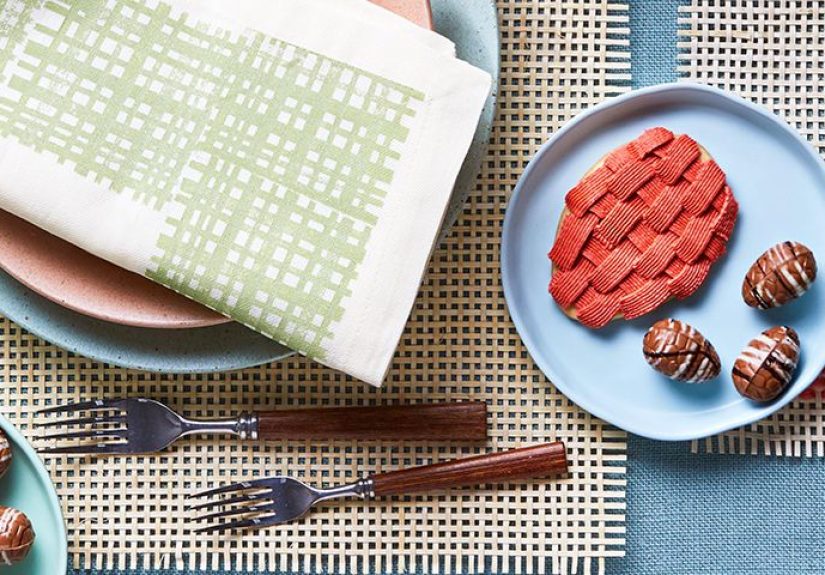
You do not need ten layers of tabletop drama. One thoughtful detail is enough. Tie napkins with ribbon, add a name tag to a faux egg, tuck a flower stem into each setting, or place a mini nest on each plate. These little touches feel polished and personal without becoming a craft project that ruins your Saturday.
Mix elegance with playfulness
The best Easter table decor balances sophistication and fun. Pair real glassware and nice plates with charming details like bunny napkin folds, egg cups, floral place cards, or pastel candles. Easter is allowed to be pretty and a little whimsical at the same time.
Decorating With Easter Eggs Beyond the Usual Basket
Eggs are the MVP of Easter decor. But instead of tossing them all in one bowl and calling it a day, think about how to display them creatively throughout the house.
Make an egg tree
Arrange bare branches in a vase and hang lightweight decorated eggs with ribbon. This look is airy, eye-catching, and easy to customize. It works beautifully on a dining table, entry console, or kitchen counter.
Fill cloches, jars, and compotes
Glass vessels instantly make simple objects look more special. Fill them with dyed eggs, faux eggs, moss, shredded paper, or tiny flowers. This is one of those Easter decorating ideas that looks expensive even when it is mostly held together by hot glue and optimism.
Use eggs in wreaths and garlands
Mini eggs tucked into wreaths, garlands, or candle rings add color and texture. Faux eggs are especially useful here because they are lightweight and reusable year after year.
Try dye-free decorative eggs
Not every Easter egg has to be dip-dyed. Paint them with florals, wrap them in paper, decoupage them with napkins, cover them in fabric, or use metallic leaf for a more grown-up look. Wooden, papier-mâché, and foam eggs are also great if you want decorations that last longer than a hard-boiled egg’s social calendar.
Kitchen Easter Decor That Does Not Get in the Way
The kitchen is often where people gather, so a little Easter decor here makes the whole house feel finished. Keep it practical and uncluttered.
Decorate a tray or counter corner
Use a tray with a vase of flowers, a bunny mug, a candle, and a small bowl of eggs or wrapped candy. A contained arrangement looks intentional and is easy to move when you need actual counter space for cooking.
Switch out everyday textiles
Seasonal dish towels, a floral apron, pastel oven mitts, or a light spring table mat can subtly shift the room. These swaps are small but effective, especially in compact kitchens.
Add edible decor
Lemon-filled bowls, pastel candies in glass jars, or a pretty cake stand with Easter treats double as decoration. It is functional, festive, and much harder for people to complain about.
Budget-Friendly Easter Decorating Ideas
You absolutely do not need a huge holiday budget to make Easter feel special. In fact, some of the best decor ideas look charming because they are simple and handmade.
Shop your house first
Before buying anything, look for baskets, glass jars, pitchers, candlesticks, trays, and vases you already own. Most Easter styling comes down to how you arrange items, not whether you bought a new bunny figurine with suspiciously perfect eyelashes.
Lean on natural elements
Branches, flowers, moss, herbs, and greenery add instant spring texture. Even a bunch of supermarket tulips can look high-end in the right vase.
Use craft-store basics wisely
Ribbon, faux eggs, paint, moss, wood beads, and paper are enough to make wreaths, garlands, centerpieces, place cards, and ornaments. Choose a consistent palette so the final result looks coordinated instead of chaotic.
Decorate once for all of spring
If you want the most value, choose Easter decorations that can stay up after the holiday. Floral wreaths, pastel candles, ceramic birds, pretty baskets, and botanical arrangements can transition smoothly into general spring decor.
Outdoor Easter Decorating Ideas for a Cheerful Porch
If you have a porch, patio, or front steps, use them. Outdoor Easter decorations instantly make the home feel festive and welcoming.
Layer the doormat area
Try a coir welcome mat over a larger plaid or striped outdoor rug. Add potted flowers nearby and you have a styled entrance without much effort.
Decorate lanterns and planters
Tuck faux eggs, moss, or ribbon around lantern bases. Fill planters with spring blooms or flowering branches. If your porch is covered, you can even use decorative topiaries or bunny figures for a more classic look.
Hang something besides a wreath
A floral basket, a bundle of faux carrots, or a hanging egg arrangement can be a fun change from the usual front-door wreath while still feeling seasonal.
How to Keep Easter Decor Stylish Instead of Cluttered
This is where many people go wrong. Easter decorations are adorable, which is exactly why it is easy to overdo them. A good rule is to repeat a few elements throughout the house instead of using every cute thing in every room.
Pick two or three signature motifs, such as eggs, florals, and bunnies. Repeat those in different sizes and materials. Keep your palette consistent. Leave some empty space around displays. And when in doubt, edit. If a shelf looks crowded, remove one item and you will almost always like it better.
Experience-Based Easter Decorating Lessons That Actually Help
There is a funny thing that happens when people start looking for Easter decorating ideas online: they fall in love with a photo, gather supplies with heroic confidence, and then realize halfway through that real homes contain things like crooked shelves, bad lighting, shedding faux grass, and family members who move your centerpiece because they “needed the table for one second.” That is why experience matters just as much as inspiration.
One of the biggest lessons from real-life Easter decorating is that the prettiest setups are often the simplest ones. The tablescape that looked effortless in the end usually started with one good anchor piece, like flowers in a pitcher, and built outward from there. When people try to force ten ideas into one table, the arrangement starts feeling busy. But when they choose one main moment and support it with smaller details, the whole room looks calmer and more elegant.
Another very real experience: children, pets, and gravity do not care how long you spent styling decorative eggs. If your house is active, it helps to use faux eggs for centerpieces, low arrangements instead of towering ones, and sturdy containers that cannot be tipped by one enthusiastic elbow. Decorative moss is lovely until the dog thinks it is a snack. Tall candles are romantic until someone reaches across the table for the deviled eggs. Easter decor should be beautiful, yes, but it should also survive contact with actual people.
Hosts also learn quickly that guests notice warmth more than perfection. They remember fresh flowers, a welcoming front door, and a place setting that feels personal. They do not remember whether your napkin fold was worthy of a magazine spread. Some of the most successful Easter homes have a slightly imperfect, lived-in charm: hand-painted eggs that are not identical, tulips that lean a little, ribbon tied just loosely enough to feel relaxed. That softness is part of what makes Easter decor so appealing.
Budget experience teaches its own lesson too. Many people discover that they do not need new decorations every year. The smartest approach is to build a small collection of reusable staples: a wreath base, a few ceramic bunnies, faux eggs, neutral runners, glass jars, and baskets. Then each year, refresh the look with inexpensive flowers, a new ribbon color, or one small DIY project. It keeps the holiday fun without turning decorating into a full financial event.
And finally, there is the lesson nearly everyone learns after at least one Easter hosting attempt: decorate the spaces people actually use. The entryway, dining table, kitchen counter, bathroom hand towel, and coffee table will do more for the mood of your home than some elaborate upstairs display no one sees. Focus on high-impact zones first. Once those feel cheerful, the whole house feels ready.
That is really the secret behind the best Easter decorating ideas. They are not about chasing perfection. They are about creating a home that feels bright, welcoming, and a little joyful after winter. A few flowers, a few eggs, a soft color palette, and a little restraint can go a long way. And if one bunny ends up slightly crooked on the mantel? Congratulations. Your Easter decor is officially realistic.
Conclusion
The best Easter decorating ideas blend spring freshness with small, happy details that make a home feel alive again. You do not need to transform every corner of the house. Focus on the front door, dining table, living room accents, and a few decorative egg displays. Choose a clear palette, mix natural textures with playful seasonal touches, and let your decor feel cheerful instead of crowded. Whether your style is elegant, rustic, vintage, modern, or family-friendly, Easter decor works best when it feels warm, personal, and easy to enjoy. In other words: less panic-buying, more tulips.