Table of Contents >> Show >> Hide
- What “Double Pneumonia” Actually Means
- Common Causes of Double Pneumonia
- Risk Factors: Who’s More Likely to Get Very Sick?
- Double Pneumonia Symptoms
- How Doctors Diagnose Double Pneumonia
- Treatment for Double Pneumonia
- Recovery Timeline: How Long Does Double Pneumonia Last?
- Prognosis: What to Expect (and What Affects It)
- Prevention: Lowering Your Risk of Pneumonia (and Repeat Pneumonia)
- Questions to Ask at a Doctor Visit
- Real-Life Experiences: What Double Pneumonia Recovery Can Feel Like (About )
- Conclusion
“Double pneumonia” sounds like pneumonia’s dramatic sequelnow playing in both lungs. And while the phrase can be scary,
it’s not a separate, mysterious disease. It’s pneumonia that affects the right and left lungs at the same time (often called
bilateral pneumonia).
This article explains what double pneumonia means, how to recognize symptoms, what treatment can look like, and what recovery
(and prognosis) typically depends on. It’s educational informationnot a diagnosis. If you think you or someone you care for
may have pneumonia, contact a healthcare professional promptly. If there’s significant trouble breathing, confusion, blue/gray
lips, or severe chest pain, seek emergency care immediately.
What “Double Pneumonia” Actually Means
Is it different from “regular” pneumonia?
Pneumonia is an infection (or inflammation from infection) in the lungs that causes the tiny air sacs (alveoli) to fill with fluid,
pus, or inflammatory debris. When it’s in one lung, people sometimes call it “single” pneumonia. When it’s in
both lungs, it gets labeled “double pneumonia.”
The main reason bilateral pneumonia can feel worse is simple: your lungs are a two-person team. If one teammate is down,
the other can still do a lot of the work. If both are struggling, your body may have a harder time getting enough oxygen
and clearing mucusso symptoms can escalate faster.
What it does not mean
- It doesn’t automatically mean “two infections.” One virus or bacteria can affect both lungs.
- It doesn’t always mean ICU. Some bilateral cases are mild; others are severe.
- It doesn’t tell you the cause. “Double” describes the location, not whether it’s viral, bacterial, fungal, or aspiration-related.
Common Causes of Double Pneumonia
Pneumonia can be caused by many different germs, and occasionally by inhaling (aspirating) material into the lungs.
The cause matters because it guides treatment.
Infectious causes
- Bacterial pneumonia: Often more likely to need antibiotics and may be more severe in some cases.
- Viral pneumonia: Can follow influenza or other respiratory viruses; COVID-19 can commonly affect both lungs.
- “Atypical” bacteria: Like Mycoplasma pneumoniae, which may cause a slower-burn illness (“walking pneumonia”) that can still become serious.
- Fungal pneumonia: Less common, typically in people with specific exposures or weakened immune systems.
Nontraditional cause: aspiration
Aspiration pneumonia can happen when food, liquid, saliva, or stomach contents get into the lungsoften in people who have
trouble swallowing, impaired alertness, certain neurologic conditions, or a weak cough reflex.
Risk Factors: Who’s More Likely to Get Very Sick?
Anyone can get pneumonia, but some people have a higher risk of severe illness or complicationsespecially if pneumonia becomes bilateral.
- Age extremes: Very young children and adults 65+ are at higher risk.
- Chronic lung conditions: COPD, asthma, bronchiectasis, interstitial lung disease.
- Heart disease, diabetes, kidney disease, liver disease (and other chronic medical conditions).
- Weakened immune system: From medications (like high-dose steroids), cancer treatment, organ transplant, or certain illnesses.
- Smoking or vaping: Irritates airways and reduces natural defense mechanisms.
- Recent viral infection: The flu and other viruses can “set the stage” for secondary bacterial pneumonia.
- Swallowing problems or aspiration risk: Especially after stroke or with neurologic disease.
- Recent hospitalization or long-term care residence: Exposure to different germs and higher medical complexity.
Double Pneumonia Symptoms
Symptoms of double pneumonia are usually the same as pneumonia in one lungjust sometimes louder, faster, and more exhausting.
People can have a mix of respiratory symptoms (cough, shortness of breath) and whole-body symptoms (fever, fatigue).
Common symptoms
- Cough (dry at first, or producing mucus/phlegm)
- Fever and chills (sometimes low temperature in older adults)
- Shortness of breath or feeling winded doing small tasks
- Chest pain that worsens with breathing or coughing (pleuritic pain)
- Fatigue (the kind that makes your couch feel like quicksand)
- Fast breathing and/or rapid heartbeat
- Nausea, vomiting, diarrhea (yes, pneumonia can be rude like that)
Symptoms that can look different in older adults
- Confusion or sudden mental “fog”
- Less obvious fever
- General weakness or a sudden decline in function
When to seek urgent or emergency care
Pneumonia can worsen quickly. Seek urgent medical evaluation right away if any of the following occur:
- Significant trouble breathing, gasping, or inability to speak full sentences
- Blue/gray lips or face, or a “can’t get enough air” feeling
- Chest pain that is severe, worsening, or unusual
- Confusion, fainting, or extreme sleepiness
- High fever that persists, or symptoms rapidly getting worse
- Dehydration signs (very little urination, dizziness) or inability to keep fluids down
How Doctors Diagnose Double Pneumonia
Diagnosis usually combines your symptoms, a physical exam, vital signs, and imaging. The key to “double” pneumonia is that imaging
shows involvement in both lungs.
What a clinician may check
- History and exam: Cough quality, fever pattern, breathing effort, chest sounds (crackles), and overall appearance.
- Pulse oximetry: A fingertip oxygen reading can reveal low oxygen levels even when someone is trying to “tough it out.”
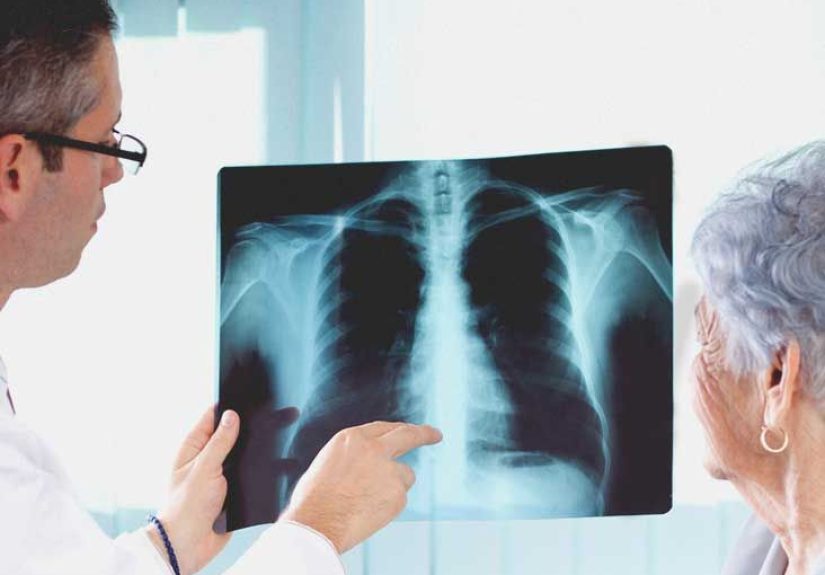
- Chest X-ray: Often the first imaging test to confirm pneumonia and see whether it’s one-sided or bilateral.
- Lab tests: Depending on severityblood counts, inflammatory markers, electrolytes, kidney function.
- Microbiology testing: Sometimes sputum cultures, blood cultures, or viral testing (flu/COVID/other) are doneespecially for hospitalized patients.
- CT scan: If complications are suspected (like abscess, pleural effusion/empyema) or if the diagnosis is unclear.
Severity scoring (why it matters)
Clinicians often use validated tools (such as the Pneumonia Severity Index or CURB-65) along with clinical judgment
to decide whether treatment can happen safely at home or requires hospitalization.
Treatment for Double Pneumonia
Treatment depends on (1) what’s causing the pneumonia, (2) how severe it is, and (3) your risk factors. The goal is to treat
the infection when treatable (like bacterial pneumonia) and support breathing and hydration while the lungs heal.
Antibiotics, antivirals, and antifungals (the “right tool for the job” rule)
- Bacterial pneumonia: Treated with antibiotics chosen based on likely germs, local resistance patterns, allergies, and illness severity.
- Viral pneumonia: Antibiotics don’t treat viruses. Antiviral medication may be used for certain viral causes (like influenza) in some situations.
- Fungal pneumonia: Treated with antifungal medications when indicated.
A common mistake is assuming “stronger symptoms” always mean “stronger antibiotics.” The best treatment is the one matched to the cause.
Taking leftover antibiotics or someone else’s prescription isn’t just ineffectiveit can delay correct care and contribute to resistance.
Supportive care (yes, it actually matters)
Even when medication is needed, supportive care is the “quiet hero” that helps your body recover:
- Rest: Your immune system is running a marathon; don’t make it carry groceries too.
- Fluids: Helps prevent dehydration and may loosen mucus.
- Fever and pain control: As advised by a clinician (especially for kids and teens).
- Humidified air: Can help soothe irritated airways and loosen secretions for some people.
- Breathing exercises: Some patients are taught deep breathing, coughing techniques, or use of an incentive spirometer after evaluation.
Outpatient vs. inpatient treatment
Mild to moderate cases: Many people can be treated at home with close follow-up, especially if oxygen levels are normal and there are no high-risk features.
Hospital care may be needed if:
- Oxygen levels are low or breathing is labored
- Blood pressure is low, confusion is present, or dehydration is significant
- There are major underlying conditions (or immune suppression)
- There’s concern for complications (effusion/empyema, abscess, sepsis)
- Oral medications can’t be tolerated
What hospital treatment can include
- Supplemental oxygen (nasal cannula, mask, or higher support if needed)
- IV antibiotics when bacterial pneumonia is suspected and illness is significant
- IV fluids and electrolyte management
- Respiratory therapy (airway clearance techniques, breathing support)
- Drainage procedures if there’s a large or infected pleural fluid collection
- Ventilatory support in severe cases where the lungs can’t maintain oxygenation
Recovery Timeline: How Long Does Double Pneumonia Last?
Recovery isn’t always a straight line. Many people start to improve within a few days once they’re on the right treatment,
but cough and fatigue can linger. The more severe the pneumonia (and the more risk factors involved), the longer recovery may take.
What improvement can look like
- First few days: Fever may begin to settle; breathing and appetite can slowly improve.
- 1–4 weeks: Cough often gradually lessens; stamina is still limited; naps become a lifestyle.
- 1–2+ months: Many return to baseline, but some have lingering fatigue or shortness of breath, especially after severe illness.
Follow-up after pneumonia
Some peopleparticularly older adults, smokers, or those with persistent symptomsmay be advised to have follow-up evaluation
or repeat imaging to confirm the pneumonia has cleared and to rule out other issues that can mimic pneumonia on imaging.
Your clinician will tailor this to your age, risk factors, and the course of your symptoms.
Prognosis: What to Expect (and What Affects It)
Prognosis is the medical term for “how things are likely to go.” With timely care, many people recover well.
But double pneumonia can be serious because both lungs are involvedso oxygen levels can drop and complications are more likely in high-risk groups.
Factors linked to a tougher course
- Older age or very young age
- Delayed treatment (waiting until symptoms are severe)
- Low oxygen levels at presentation
- Significant underlying disease (lung/heart/kidney, diabetes)
- Immune suppression
- Aspiration risk and recurrent aspiration
- Complications (effusion/empyema, sepsis, respiratory failure)
Potential complications (the “watch for this” list)
- Pleural effusion or empyema: Fluid around the lungs that may need drainage.
- Lung abscess: A pocket of infection that can take longer to treat.
- Sepsis: A severe whole-body response to infection that requires urgent treatment.
- Respiratory failure: When lungs can’t maintain oxygen levels without support.
The good news: modern diagnostics, antibiotics (when appropriate), oxygen support, and careful monitoring have improved outcomes.
The most helpful “prognosis booster” is getting evaluated earlybefore the situation becomes a sprint to catch up.
Prevention: Lowering Your Risk of Pneumonia (and Repeat Pneumonia)
You can’t bubble-wrap your lungs (trust me, someone on the internet has tried), but you can lower risk meaningfully.
Vaccines
- Flu vaccine: Helps reduce influenza infections that can lead to pneumonia.
- COVID-19 vaccination: Helps reduce severe COVID pneumonia risk.
- Pneumococcal vaccines: Recommended for certain age groups and medical conditions to reduce pneumococcal disease risk.
Everyday protective habits
- Hand hygiene and avoiding close contact with sick people when possible
- Quit smoking/vaping (or get help cutting back if quitting feels hugebecause it is)
- Manage chronic conditions (asthma/COPD action plans, diabetes control)
- Oral hygiene (especially important for aspiration risk and overall respiratory health)
- Swallow safety if someone has dysphagia (speech/swallow evaluation when recommended)
Questions to Ask at a Doctor Visit
- Do you think this is bacterial, viral, aspiration-related, or something else?
- What warning signs mean I should go to urgent care or the ER?
- If I’m prescribed medication, what’s the expected timeline for improvement?
- How long should I rest before returning to school, work, sports, or exercise?
- Do I need follow-up imaging or a recheck appointment?
- Are there any risk factors we should address to prevent recurrence?
Real-Life Experiences: What Double Pneumonia Recovery Can Feel Like (About )
People often expect recovery to be a simple switch: “Take meds, feel normal.” Pneumonia doesn’t always cooperate.
Here are realistic, commonly described experiences (composite examples) that show what recovery can look likeespecially when both lungs are involved.
1) “I thought it was the flu… until walking to the bathroom felt like a workout.”
One common story starts with a viral illnessfever, aches, a cough that’s annoying but not alarming. Then the cough deepens,
breathing feels tight, and everyday tasks suddenly feel like climbing stairs while carrying a backpack full of textbooks.
After evaluation, imaging shows pneumonia in both lungs. Treatment begins, and within a few days the fever finally eases.
But the surprise is the fatigue: even when oxygen improves, energy returns slowly. Many people describe it as
“my body is functioning, but my battery is stuck at 20%.”
What helps in this phase is pacing: short walks, lots of rest, staying hydrated, and not treating the first “good day” as a
permission slip to do everything. Recovery is more like a gentle ramp than a trampoline.
2) “My parent didn’t complain muchthen suddenly they were confused.”
Caregivers sometimes notice pneumonia before the patient does, especially in older adults. Instead of classic high fever and chest pain,
the first signs might be confusion, poor appetite, unusual sleepiness, or a sudden decline in mobility.
When bilateral pneumonia is involved, oxygen can dip enough to affect thinkingsometimes before the person feels “that sick.”
After treatment starts, caregivers often describe a two-track recovery: breathing stabilizes first, and strength comes back later.
It can be reassuring to know that lingering tiredness and a lingering cough can be normalwhile still watching for red flags like
worsening breathlessness, persistent high fever, or new confusion. Follow-up plans (med schedules, hydration reminders, and check-ins)
can make the process feel less chaotic.
3) “I’m an athletewhen can I get back to training?”
Teens and active adults often feel frustrated because lungs don’t bounce back on a motivational quote timeline.
Even after symptoms improve, heavy exercise can trigger coughing fits or leave someone unusually winded.
Many people find it helpful to return gradually: light activity first, then slowly increasing intensity only if breathing stays comfortable.
Clinicians may recommend waiting until fever has resolved, breathing is stable, and energy is steadily improving before resuming hard workouts.
The biggest mental shift is accepting that rest is not “doing nothing.” It’s active recovery. If you try to sprint back too quickly,
your body may push backoften with exhaustion, coughing, or a setback that feels unfair. Slow and steady tends to win this particular race.
Conclusion
Double pneumonia (bilateral pneumonia) means pneumonia is affecting both lungs. Symptoms can include cough, fever, fatigue, chest pain,
and shortness of breathand the “both lungs” part can make oxygen issues more likely. Treatment depends on the cause and severity and may
range from at-home supportive care and prescribed medications to hospital-level oxygen and IV therapy. Prognosis varies, but early evaluation,
appropriate treatment, and careful follow-up dramatically improve the odds of a smooth recovery.
If pneumonia is even on your radarespecially with worsening breathingdon’t wait it out. Your lungs have a lot of jobs.
They deserve prompt backup.