Table of Contents >> Show >> Hide
- Why 15 Minutes Works (When “Someday” Doesn’t)
- Your 2-Minute Setup (So the 15 Minutes Doesn’t Get Wasted)
- Two Fast Rules for Deciding What Stays
- Declutter Your Home Fast: 15-Minute Organizing Tasks (Pick One)
- 1) The Entryway “Landing Zone” Reset
- 2) The Kitchen Counter Sweep (The “Instant Calm” Task)
- 3) The Junk Drawer Rescue (Yes, It Can Be Done)
- 4) The Refrigerator “Visibility Pass”
- 5) The Pantry Shelf Audit
- 6) The Bathroom Counter + Under-Sink Combo
- 7) The Medicine Cabinet Expiration Check
- 8) The Nightstand “Sleep Upgrade”
- 9) The Laundry Drop Zone Reset
- 10) The Living Room Remote/Charging Station Fix
- 11) The “Five Things” Floor Sweep
- 12) The Paper Pile Triage (No Filing Required)
- 13) The Closet Micro-Purge (One Category Only)
- 14) The Car “Mini Detail”
- 15) The Digital Declutter (Screenshots, Be Gone)
- How to Keep It From Coming Back (Because Clutter Loves a Comeback Tour)
- Common Mistakes That Make 15 Minutes Feel Useless
- Conclusion
- Experiences: What 15-Minute Decluttering Looks Like in Real Life (And Why It Feels So Good)
If your home feels like it’s slowly being swallowed by backpacks, mail, mystery cords, and that one sock that’s clearly living a double life,
you don’t need a three-day “declutter retreat.” You need a timer. Fifteen minutes is short enough to feel doable and long enough to create
real, visible progressespecially if you stop trying to “organize the whole house” (that’s how people end up sitting on the floor,
surrounded by sentimental birthday candles from 2014, whispering, “Why am I like this?”).
This guide gives you a fast system and a menu of 15-minute organizing tasks you can knock out room by room. Pick one a day (or a few a week),
and you’ll build momentum without the all-or-nothing meltdown. Expect quick wins, specific steps, and a few gentle truth bombs about junk drawers.
Why 15 Minutes Works (When “Someday” Doesn’t)
Short decluttering sessions are basically a brain hack: you’re time-boxing the work so it can’t expand into an emotional documentary series.
A tight window reduces decision fatigue, keeps you focused on one micro-area, and makes it easier to startbecause starting is usually the hardest part.
Plus, small, repeatable sessions build a habit that actually sticks.
The goal: fewer “Where is it?!” moments and more “Oh wow, this drawer closes” moments.
Your 2-Minute Setup (So the 15 Minutes Doesn’t Get Wasted)
Before you hit “start” on the timer, grab these basics. Think of it like mise en place, but for your mess.
- A donation bag/box (label it “DONATE” so it doesn’t become storage)
- A trash bag (quick wins love quick trash)
- A “relocate” basket for items that belong elsewhere
- Disinfecting wipe or microfiber cloth (optional, but satisfying)
- A marker for labels you’ll actually read later
One more rule that saves money and sanity: declutter first, then buy storage if you still need it. Most “storage problems” are
secretly “too-much-stuff problems” wearing a cute set of matching bins.
Two Fast Rules for Deciding What Stays
1) The “90/90” Reality Check
Ask: Have I used this in the last 90 days? Or will I use it in the next 90? If the answer is “no” to both,
you’re allowed to let it go. (Seasonal items get a pass. Your snow boots are innocent.)
2) The “Would I Buy This Again?” Question
This one cuts through guilt. If you wouldn’t spend money on it today, why are you spending space on it?
Declutter Your Home Fast: 15-Minute Organizing Tasks (Pick One)
Set a timer for 15 minutes. Work only in the defined micro-zone. When the timer ends, stopeven if you’re “almost done.”
Stopping while you still have energy is how you come back tomorrow.
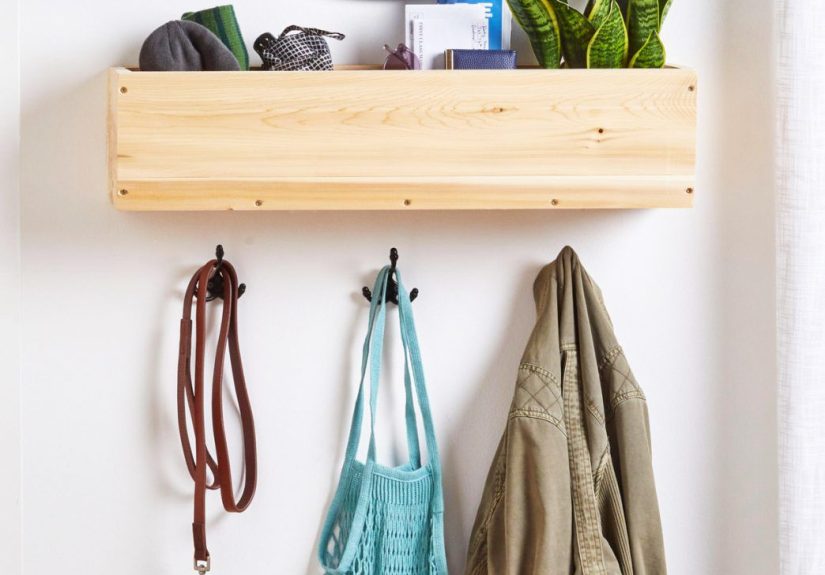
1) The Entryway “Landing Zone” Reset
Micro-zone: one surface + the floor directly under it.
- Throw out obvious trash (flyers, empty cups, receipts).
- Return shoes to a single spot; relocate stray pairs to closets.
- Make a tiny “out-the-door” tray: keys, wallet, sunglasses.
- Hang only the coats currently in rotation; move off-season elsewhere.
Example: If your entry table is a paper mountain, add one small bin labeled “SORT SUNDAY.” Congratulationsyou’ve contained the chaos.
2) The Kitchen Counter Sweep (The “Instant Calm” Task)
Micro-zone: one main counter run.
- Clear everything into three groups: put away, relocate, toss/recycle.
- Wipe the counter (the visual payoff is massive).
- Only put back the essentials you use daily (coffee stuff, fruit bowl, etc.).
3) The Junk Drawer Rescue (Yes, It Can Be Done)
Micro-zone: one junk drawer. No “organizing the whole kitchen” allowed.
- Dump contents onto a towel.
- Trash: dead batteries, broken pens, mystery parts, expired coupons.
- Group what remains: tools, office items, small hardware, random-but-useful.
- Create “mini zones” with what you already own (small boxes, cups, dividers).
Tip: If it doesn’t fit when you put it back, it’s not a “drawer problem.” It’s a “too much tiny stuff” problem.
4) The Refrigerator “Visibility Pass”
Micro-zone: the front shelf + door.
- Toss expired leftovers and anything that makes you flinch.
- Wipe sticky spots quickly.
- Move “eat first” foods to eye level (so they actually get eaten).
- Group condiments: dressings together, sauces together.
5) The Pantry Shelf Audit
Micro-zone: one shelf only.
- Pull everything off the shelf.
- Check dates and freshness; toss what’s expired or stale.
- Put back like with like (snacks, breakfast, baking, canned goods).
- Place the most-used items at the front.
6) The Bathroom Counter + Under-Sink Combo
Micro-zone: bathroom counter and the first 12 inches under the sink (not the whole cabinet).
- Clear the counter; toss empties and duplicates you don’t use.
- Under the sink: remove anything leaking, crusty, or clearly abandoned.
- Create two quick bins: “Daily” and “Backup.”
7) The Medicine Cabinet Expiration Check
Micro-zone: medicine cabinet only.
- Pull out expired or unused meds and old first-aid supplies.
- Keep daily-use items front and center.
- Plan safe disposal: a drug take-back program is usually the best option.
Safety note: For medication disposal, follow local guidance and official recommendations (take-back programs when possible).
8) The Nightstand “Sleep Upgrade”
Micro-zone: top of nightstand + one drawer.
- Keep only sleep-friendly essentials: lamp, book, water, charger.
- Trash old tissues, random wrappers, and “why is this here” items.
- Corral small items with a dish or tiny box.
9) The Laundry Drop Zone Reset
Micro-zone: hamper area + the floor around it.
- Put all dirty clothes into the hamper (revolutionary, I know).
- Hang up “not dirty but not folded” items or commit them to the hamper.
- Make a “lost & found” mini basket for rogue socks and mystery tees.
10) The Living Room Remote/Charging Station Fix
Micro-zone: coffee table + couch area.
- Remove everything that doesn’t belong (cups, mail, toys).
- Create a single “tech home” (basket or tray) for remotes and chargers.
- Relocate throw blankets to one basket. One. Not five.
11) The “Five Things” Floor Sweep
Micro-zone: one room floor.
- Pick up five items and put them where they belong.
- Repeat until the timer ends.
This task is perfect on low-energy days because it’s simple, visible, and doesn’t require “big feelings.”
12) The Paper Pile Triage (No Filing Required)
Micro-zone: one paper pile (kitchen counter, desk corner, etc.).
- Make three stacks: Act, File, Shred/Recycle.
- Anything with sensitive info goes in the shred pile.
- Put “Act” papers into a folder you’ll check weekly.
Example: Bills you can pay online tonight go into “Act.” Old warranties for appliances you no longer own? “Shred/Recycle.” Freedom.
13) The Closet Micro-Purge (One Category Only)
Micro-zone: one category: shoes, sweaters, jeans, or gym clothes.
- Pull only that category out.
- Donate what doesn’t fit, isn’t comfortable, or never gets picked.
- Put the “best of” back neatly.
Bonus: Keep a donation bag in the closet so future you can declutter in real time.
14) The Car “Mini Detail”
Micro-zone: front seats + cupholders.
- Remove trash and obvious clutter.
- Relocate items that belong inside the house.
- Keep a tiny bag for car essentials (napkins, phone cable, sanitizer).
15) The Digital Declutter (Screenshots, Be Gone)
Micro-zone: your phone photo roll.
- Search “Screenshots.” Delete the ones you don’t need.
- Remove duplicates and blurry photos.
- Favorite the truly important stuff so it’s easy to find later.
How to Keep It From Coming Back (Because Clutter Loves a Comeback Tour)
Use the “One In, One Out” Rule
When something new enters (shirt, mug, water bottle with motivational quote), something old leaves. This keeps your space from slowly inflating like a balloon.
Do a Daily 2-Minute Reset
Two minutes sounds sillyuntil you realize it prevents the “Saturday cleaning marathon” that steals your weekend and your will to live.
Hit the main hotspots: entryway, kitchen counter, living room table.
Pick a Weekly “Clutter Appointment”
Ten to fifteen minutes once a week to empty your relocate basket, drop donations in the car, or sort your “Act” folder.
Small maintenance beats heroic meltdowns.
Common Mistakes That Make 15 Minutes Feel Useless
- Going too big: “I’ll do the whole garage.” No. Choose one shelf.
- Trying to file everything: Paper triage first; filing later (maybe).
- Buying bins too early: Organizing clutter is just clutter with accessories.
- Stopping to deep clean: Declutter first. Wipe later if time remains.
Conclusion
Decluttering doesn’t have to be dramatic. Fifteen-minute organizing tasks are the sweet spot: long enough to make a dent, short enough to fit into real life.
Start with the most annoying hotspot (the one that makes you sigh every day), use a timer, and collect easy wins. When you repeat that cycle,
you don’t just “clean up.” You build a home that’s easier to live inbecause your stuff finally has a job, a home, or an exit plan.
Experiences: What 15-Minute Decluttering Looks Like in Real Life (And Why It Feels So Good)
If you’ve ever watched a perfectly edited home makeover video and thought, “Cool, but I live in a house where backpacks reproduce at night,”
you’re not alone. Real-life decluttering is less “sparkly montage” and more “I found three chapsticks, none of which are mine.”
The good news is that 15-minute sessions actually match how people livebecause most of us don’t have an empty weekend and a personal assistant named Aspen.
One common experience is the Entryway Spiral. It starts innocently: a package lands on a table. Then two pieces of mail join it.
A hoodie appears. A water bottle rolls in like it paid rent. Before you know it, your front door area looks like a tiny airport lost-and-found.
Doing a 15-minute landing-zone reset feels almost magical because it changes the tone of your whole day. People often say the house feels “lighter”
the second they clear that first surface. It’s not just the spaceit’s the mental relief of walking in and not being greeted by a to-do list made of objects.
Another very real moment: the Kitchen Counter Confidence Boost. Kitchens collect clutter because they’re where life happenssnacks, homework,
receipts, that random screwdriver you swear you’ll return to the toolbox. In a short session, you’re not trying to reorganize every cabinet.
You’re simply giving your eyes a break. The experience most people describe is immediate calm: you can make coffee without moving five things first,
and suddenly the kitchen feels like a kitchen again instead of a staging area for chaos.
Then there’s the Junk Drawer Reckoning. People often avoid it because it’s the physical embodiment of “I’ll deal with that later.”
But the funny thing is, a 15-minute junk drawer rescue usually ends with laughterbecause you’ll find something absurd (a single toy wheel, four twist ties,
a coupon that expired during a different presidency). The win isn’t perfection; it’s function. Afterward, you can actually find scissors, tape,
and batteries without bargaining with the universe.
The most underrated experience is what happens after a few days of micro-decluttering: you start making faster decisions.
At first, choosing what to donate can feel like a full personality test. But with short, repeated sessions, people notice their “keep or toss” reflex gets stronger.
They stop negotiating with uncomfortable clothes. They stop saving containers “just in case.” They realize a home isn’t a museum for past versions of themselves.
Finally, there’s the maintenance glow. Once you’ve done a handful of 15-minute tasks, you’re more likely to do a quick reset because
you’ve experienced how little time it actually takes. That’s the moment the habit clicks: the house isn’t perfectly spotless, but it’s manageable.
You can invite someone over without a 48-hour panic sprint. You can find your keys. You can open a drawer without bracing for impact.
And honestly? That’s the kind of “organized life” most people are really chasing.