Table of Contents >> Show >> Hide
- What Are Deciduous Teeth, Exactly?
- Why Baby Teeth Matter (Even Though They’re “Just Going to Fall Out”)
- Baby Teeth Timeline: When Do They Come In and When Do They Fall Out?
- How to Care for Primary Teeth (Without Turning It Into a Daily Wrestling Match)
- Common Baby-Teeth Problems (and What to Do About Them)
- Nutrition & Habits That Help Baby Teeth Thrive
- When to Call a Pediatric Dentist
- Common Myths About Baby Teeth (Busted Gently)
- Conclusion: Tiny Teeth, Big Job
- Experiences With Baby Teeth: What It’s Really Like (500+ Words)
Your child’s first teeth have a lot of names: deciduous teeth, primary teeth, baby teeth, even “those tiny chiclets that appear overnight and immediately find the hardest thing in your house to bite.” Whatever you call them, they matter more than most people think. These little teeth help kids eat real food, learn speech sounds, shape the face and jaw, andperhaps most importantlyhold space for the adult teeth that are waiting backstage like a touring band.
This guide breaks down what baby teeth do, when they arrive and leave, how to care for them, and what to do when things get weird (because kids’ mouths are basically a live-action science experiment).
What Are Deciduous Teeth, Exactly?
Deciduous teeth are the first set of teeth humans grow. “Deciduous” is a fancy word that basically means “temporary,” like seasonal décorexcept these are in your child’s face, and they’re doing real work. Most children develop 20 primary teeth total: 10 on top and 10 on the bottom.
These teeth usually begin erupting around the middle of the first year of life and are typically all present by the toddler years. Then, starting in early grade school, they gradually loosen and fall out (dentists call this “shedding” or “exfoliation”) as permanent teeth erupt.
Key fact sources:
Why Baby Teeth Matter (Even Though They’re “Just Going to Fall Out”)
If you’ve ever heard, “Why fix a baby tooth? It’ll fall out anyway,” please picture a dentist gently fainting onto a chaise lounge. Baby teeth do several big jobs:
- Chewing and nutrition: They help kids move from purées to real textures without turning dinner into a swallowing contest.
- Speech development: Teeth help form sounds like “th,” “f,” and “s.” Missing or painful teeth can affect clarity.
- Space holding for adult teeth: Primary teeth guide permanent teeth into place. Losing a baby tooth too early can let neighbors drift into the open spot.
- Jaw and facial development: Healthy teeth support normal bite and facial growth patterns.
- Confidence: Kids notice appearance earlier than you might expectespecially once school photos enter the chat.
Also: tooth decay in baby teeth can hurt, cause infection, disrupt sleep, and sometimes affect the developing permanent tooth underneath. In other words, primary teeth are temporarybut the consequences of ignoring them can be long-term.
Baby Teeth Timeline: When Do They Come In and When Do They Fall Out?
Tooth timing varies a lot. Some kids pop a tooth at 4 months. Others keep you waiting until you’re convinced the tooth fairy has lost your address. A few months early or late is often normal. What matters most is overall pattern and health.
Typical eruption (coming in)
Baby teeth commonly begin erupting around 6–12 months. Many children have a full set of primary teeth by about 2.5–3 years.
Key fact sources:
Typical shedding (falling out)
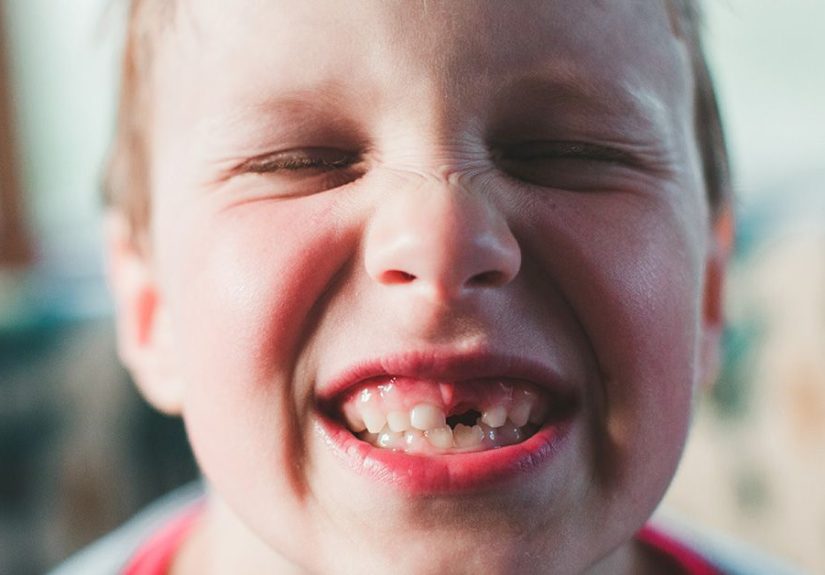
Baby teeth often start loosening around age 6 (sometimes 5, sometimes 7kids love being unpredictable). Most children finish losing primary teeth by about 12–13.
Key fact source:
Quick reference chart (ranges)
| Tooth Type | Usually Erupts | Usually Sheds |
|---|---|---|
| Central incisors (front teeth) | 6–12 months | 6–8 years |
| Lateral incisors | 9–16 months | 7–9 years |
| First molars | 13–19 months | 9–11 years |
| Canines (cuspids) | 16–23 months | 9–12 years |
| Second molars | 23–33 months | 10–12 years |
Use this chart as a general guide, not a strict calendar. If your child is far outside these ranges, has pain, swelling, or teeth that seem “stuck,” that’s a good time to check with a pediatric dentist.
How to Care for Primary Teeth (Without Turning It Into a Daily Wrestling Match)
Before teeth: gum care still counts
Even before the first tooth arrives, wiping gums with a clean, soft cloth after feedings can help reduce bacterial buildup and get your baby used to mouth care. Think of it as “toothbrushing training wheels.”
Brushing with fluoride toothpaste: how much is “right”?
Fluoride helps strengthen enamel and prevent cavities, but young kids need small amounts of toothpaste because they’re still learning to spit. Common guidance:
- From first tooth to age 3: a smear/grain-of-rice amount of fluoride toothpaste, twice daily.
- Ages 3 to 6: a pea-sized amount of fluoride toothpaste, twice daily, with adult supervision.
Supervision matters. Kids are talented at swallowing toothpaste like it’s minty yogurt, so an adult should help with brushing, especially at night. Also: they don’t need to rinse with lots of water after brushingjust spit what they can.
Key fact sources:
Flossing: yes, even for tiny teeth
Once two teeth touch, a toothbrush can’t reliably clean between them. That’s your cue to start flossing those contacts. Daily flossing is ideal, but realistic parenting wins countaim for “most nights” and build the habit.
First dental visit: earlier than many people expect
Many pediatric dentistry recommendations suggest a first dental visit by age 1 or within 6 months of the first tooth. The goal isn’t to lecture you about your snack drawerit’s to assess risk, answer questions, and help prevent early cavities.
Key fact sources:
Common Baby-Teeth Problems (and What to Do About Them)
1) Early childhood cavities (yes, toddlers can get “real” tooth decay)
Tooth decay is common in kids, and it can show up surprisingly earlyespecially on the upper front teeth. Bacteria feed on sugars and starches, producing acids that wear down enamel. Frequent sipping on milk, juice, sweet drinks, or letting a child fall asleep with a bottle or sippy cup can raise risk because sugars linger on teeth for long periods.
The good news: cavities are largely preventable. The not-as-fun news: prevention depends on routines and habits more than on luck. Helpful steps include brushing with fluoride toothpaste, limiting sugary drinks, avoiding bedtime bottles with milk/juice, and keeping water as the default between meals.
Prevalence and public health sources:
2) Teething: the drool era
Teething can bring drooling, irritability, and chewing on anything within reach (including your shoulder, your phone, and possibly your soul). For comfort, try:
- Gently massaging gums with a clean finger
- Offering a firm rubber teething ring (chilled is often soothing)
- Using a cold washcloth for chewing (supervised)
Avoid numbing gels with certain anesthetics for infants and young toddlers unless your clinician specifically recommends them. If your child has significant pain, ask your pediatrician about safe options.
Benzocaine warning sources:
3) “Shark teeth” (permanent tooth behind a baby tooth)
Sometimes a permanent tooth erupts behind a baby tooth before the baby tooth falls out, creating a double-row look. This is common around lower front teeth. Often, wiggling and time solve itonce the baby tooth comes out, the tongue’s pressure can help guide the new tooth forward. If the baby tooth isn’t loosening, your dentist can check whether intervention is needed.
4) Early loss of a baby tooth
If a baby tooth is lost early due to trauma or decay, the teeth nearby may drift into that space. In some cases, a dentist might recommend a space maintainer to help keep room for the adult tooth. Whether it’s needed depends on which tooth was lost, the child’s age, and what the permanent teeth are doing underneath.
5) Injuries: what if a baby tooth gets knocked out?
Mouth injuries are common when kids run like tiny, fearless philosophers who haven’t discovered gravity’s fine print. If a primary tooth is avulsed (knocked out completely), it generally should not be replanted, because replanting can risk damaging the developing permanent tooth. The right move is to contact a dentist promptly for guidance and an exam.
Avulsed primary tooth guidance sources:
Nutrition & Habits That Help Baby Teeth Thrive
Water wins
If your child needs a bedtime drink, water is the safest choice for teeth. Frequent sipping on juice, sweetened drinks, or even milk outside mealtimes can increase cavity risk because teeth get bathed in sugars repeatedly.
Snack strategy: it’s the frequency, not just the sugar
Teeth don’t mind an occasional treat nearly as much as they mind constant grazing. Every snack triggers a period of acid production. Fewer snack sessions with more tooth-friendly options (cheese, yogurt, nuts if age-appropriate, vegetables, whole fruits) can be easier on enamel than all-day “snack drip.”
Fluoride and dental prevention
Fluoride can come from toothpaste, professional applications (like varnish), and in many communities, fluoridated water. For children at higher risk of cavities, a pediatric dentist may recommend additional preventive steps.
When to Call a Pediatric Dentist
Trust your instincts. In general, it’s wise to call if you notice:
- White or brown spots on teeth (early signs of enamel weakening or decay)
- Tooth pain, sensitivity, or swelling
- Bleeding gums that don’t improve with gentle brushing
- Injuries (chips, displacement, or a tooth knocked out)
- Baby teeth not loosening when permanent teeth are erupting
- Persistent bad breath despite good hygiene
A quick check can prevent a bigger, more expensive, more dramatic situation later. Think of it as dental “small maintenance” that avoids dental “major renovation.”
Common Myths About Baby Teeth (Busted Gently)
Myth: “Cavities in baby teeth don’t matter.”
Reality: Decay can cause pain, infection, trouble eating and sleeping, and may affect the developing adult tooth or lead to early tooth loss.
Myth: “Teething causes high fever and severe diarrhea.”
Reality: Teething can make babies cranky and drooly, but significant fever or serious symptoms deserve a call to your pediatrician. Don’t blame every illness on a tooth trying to make an entrance.
Myth: “Hard brushing cleans better.”
Reality: Gentle, thorough brushing is what works. Scrubbing too hard can irritate gums and doesn’t magically erase sugar chemistry.
Conclusion: Tiny Teeth, Big Job
Primary teeth may be temporary, but they’re not optional. Healthy deciduous teeth support eating, speech, jaw development, and the alignment of permanent teethwhile helping kids avoid pain and preventable dental problems. Start brushing early with the right amount of fluoride toothpaste, keep sugary drinks from becoming an all-day hobby, and schedule a dental visit early so you can prevent issues instead of chasing them.
And when in doubt, remember: parenting is already hard. Dental prevention is one area where a few small daily habits can save you from a future appointment that begins with, “So… how do you feel about toddlers and dental caps?”
Experiences With Baby Teeth: What It’s Really Like (500+ Words)
If you want the truth about baby teeth, it’s this: nobody is fully prepared for how much emotion can be packed into something the size of a Tic Tac. The first tooth is usually a milestone that feels equal parts magical and suspiciouslike your baby leveled up overnight without telling you. One day they’re smiling gummy smiles, the next day there’s a sharp little edge that makes you realize your “soft baby phase” is entering its “tiny predator” era.
Teething experiences vary wildly. Some babies seem mildly annoyed and chew on a toy with quiet determination. Others act like they’re starring in a dramatic series called “Why Is This Happening To My Gums?” Parents often describe a predictable routine: more drool than seems physically possible, hands in the mouth 24/7, and a sudden fascination with biting anything that can’t bite back. You’ll also learn that “teething toys” are suggestionsnot rules. Babies will happily choose a remote control, a spoon, or your hoodie string if it has better mouth-feel.
Then there’s the brushing journey. Early on, brushing can feel like trying to clean a cat’s teeth while the cat is auditioning for a stunt movie. Many families find that the breakthrough comes from making it a ritual: same time, same place, short and upbeat. A silly song helps. Letting your child “brush first” and then you “finish the job” helps even more. Some parents swear by brushing in front of a mirror so kids can watch, because apparently toddlers are more cooperative when they can supervise you. Others use the “two toothbrush method”: one for the child to hold, one for the adult to actually use. It’s not cheating; it’s strategy.
Food and teeth experiences are another chapter. Many parents notice that snacking frequency matters more than the occasional treat. A child who sips juice slowly for an hour can be tougher on teeth than a child who drinks it quickly with a meal and then goes back to water. That realization often changes routineslike keeping a water bottle handy, reserving sweet drinks for special times, and choosing snacks that don’t cling to teeth like they’ve signed a long-term lease.
When kids reach the “loose tooth” phase, emotions show up againthis time from the child. Some kids can’t stop wiggling the tooth and narrating every micromovement like sports commentary. Others become cautious and protective, worried it will hurt or that swallowing it will cause a “tooth in the tummy” situation (which, for the record, is usually fine). Parents often find the best approach is calm encouragement: soft foods if it’s tender, gentle wiggling if it’s ready, and zero pressure to yank it early. The tooth fairy, after all, has an HR department and prefers scheduled departures over chaotic layoffs.
And finally, there are the surprising moments: noticing how proud a child feels after a dentist visit where they “did great,” seeing them copy your brushing habits, or hearing them remind a sibling, “Just a pea-size!” like a tiny dental coach. Those experiences make it clear that caring for deciduous teeth isn’t just about preventing cavitiesit’s about building lifelong habits, confidence, and a sense that health is something you practice, not something you panic about.
Research synthesis sources (US-based, reputable): ADA MouthHealthy eruption charts & habits ; NIH MedlinePlus teething/20 teeth timing ; CDC brushing guidance and dental caries data ; FDA benzocaine safety warning ; AAP/HealthyChildren fluoride toothpaste amounts ; AAPD age-one dental visit and injury guidance (do not replant avulsed primary teeth) ; NIDCR child caries stats ; Mayo Clinic baby teeth shedding timing ; Head Start dental periodicity schedule