Table of Contents >> Show >> Hide
If you’ve ever walked up a short flight of stairs and felt way more out of breath than seems fair, you might have wondered,
“Is this just being out of shape, or is something going on with my lungs?” For millions of people, the answer is chronic obstructive pulmonary disease, better known as COPD. It’s a long-term lung disease that makes it harder to move air in and out of your lungs and no, your lungs are not being dramatic.
COPD is common, serious, and unfortunately still underdiagnosed. In the United States, more than 15 million adults have been told they have COPD, and many more likely have it but haven’t been diagnosed yet. It’s a leading cause of illness and death, but here’s the important part: COPD is treatable and manageable. With the right plan, many people continue to work, travel, enjoy hobbies, and live full lives.
In this guide, we’ll walk through COPD symptoms, causes, diagnosis, treatment options, and key risk factors in clear, plain language. Think of it as a friendly, slightly nerdy tour of your lungs and what to do when they’re not thrilled with your life choices.
What is COPD?
Chronic obstructive pulmonary disease (COPD) is an umbrella term for a group of progressive lung conditions that cause
airflow limitation. The airways and air sacs (alveoli) in the lungs become damaged, inflamed, and narrowed, so air gets trapped in the lungs and it becomes harder to breathe out fully.
In the U.S., COPD mainly includes:
- Chronic bronchitis – long-term inflammation of the bronchial tubes with a daily cough and mucus production.
- Emphysema – damage to the air sacs, which lose their elasticity and can’t empty properly, trapping air in the lungs.
COPD is considered progressive, meaning it tends to get worse over time. However, “progressive” doesn’t mean “hopeless.”
Early diagnosis, quitting smoking, and evidence-based treatment can slow down lung function decline and dramatically improve quality of life.
Common COPD symptoms
COPD symptoms often start gradually. People may shrug them off as “just getting older” or “being out of shape,” which is one reason diagnosis can be delayed.
Early warning signs
Typical COPD symptoms include:
- Shortness of breath (dyspnea), especially during everyday activities like walking, climbing stairs, or carrying groceries.
- Chronic cough that doesn’t go away and may be worse in the morning.
- Mucus (phlegm or sputum) production, which may be clear, white, yellow, or greenish.
- Wheezing – a whistling or squeaking sound when breathing.
- Chest tightness or a feeling of heaviness in the chest.
- Fatigue and reduced exercise tolerance.
As COPD progresses, people may also experience unintentional weight loss, swelling in the ankles or legs, frequent respiratory infections, or a bluish tint to the lips or fingernails (a sign that oxygen levels may be low).
Exacerbations (flare-ups)
A key feature of COPD is the risk of exacerbations – sudden flare-ups where symptoms get much worse than usual for several days or longer.
During a flare-up, breathing may become extremely difficult, coughing and mucus production increase, and people may need urgent medical care or hospitalization. Preventing and managing COPD exacerbations is a major goal of treatment because each flare can further damage the lungs.
What causes COPD?
The short version: COPD usually happens after years of exposure to things that irritate and damage the lungs. The longer version includes a mix of environmental and genetic factors.
Smoking and secondhand smoke
The number-one cause of COPD in developed countries is cigarette smoking. Long-term exposure to cigarette smoke causes chronic inflammation, scarring, and destruction of lung tissue. Current smokers, former smokers, and people exposed to heavy secondhand smoke are all at higher risk.
That said, it’s important to know that up to one in four people with COPD never smoked. If you don’t smoke but have symptoms, you still deserve to be taken seriously and evaluated.
Occupational and environmental exposures
Breathing in dust, chemical fumes, and other workplace pollutants over many years can also damage the lungs. Jobs in mining, construction, manufacturing, agriculture, and certain industrial settings may increase COPD risk if respiratory protection isn’t adequate.
Outdoor air pollution and indoor air pollution (such as smoke from wood-burning stoves or cooking fuels) can add to lung irritation, especially in people who already have asthma or other respiratory problems.
Genetic factors
A less common but important cause of COPD is a genetic condition called alpha-1 antitrypsin deficiency. This inherited disorder leads to low levels of a protective protein that helps shield the lungs from damage. People with this condition can develop COPD at a younger age, even if they’ve never smoked.
Other contributors
Repeated childhood lung infections, poorly controlled asthma, and low socioeconomic status (which may limit access to healthcare or increase exposure to pollutants) can also contribute to developing chronic obstructive pulmonary disease later in life.
Risk factors for COPD
Not everyone exposed to lung irritants develops COPD, but certain factors can raise your risk:
- Smoking (current or past), including cigarettes, cigars, pipes, or vaping products.
- Secondhand smoke exposure at home, work, or in public places.
- Long-term workplace exposure to dust, vapors, fumes, or chemicals without proper protective gear.
- Indoor air pollution from biomass fuels, poorly vented stoves, or fireplaces.
- Age – COPD is more common in middle-aged and older adults.
- Genetics, including alpha-1 antitrypsin deficiency or a strong family history of COPD.
- Asthma or other chronic lung conditions that aren’t well controlled.
- Low birth weight or early-life lung infections, which can affect lung development.
Knowing your risk factors isn’t about blaming yourself; it’s about spotting problems early and taking steps to protect your lungs from further damage.
How COPD is diagnosed
COPD can’t be diagnosed based on symptoms alone. Shortness of breath and coughing can be caused by many conditions, including asthma, heart disease, or deconditioning. That’s why objective tests are so important.
Medical history and physical exam
A healthcare professional will ask about your symptoms, smoking history, occupational exposures, history of lung infections, and family history of lung disease. They’ll listen to your lungs with a stethoscope and check for signs like wheezing, prolonged exhalation, or use of accessory muscles to breathe.
Spirometry (lung function testing)
Spirometry is the gold-standard test for diagnosing chronic obstructive pulmonary disease. You’ll be asked to take a deep breath and blow into a mouthpiece as hard and fast as you can. The machine measures:
- FEV₁ (forced expiratory volume in one second) – how much air you can blow out in the first second.
- FVC (forced vital capacity) – the total amount of air you can exhale after a deep breath.
If the ratio of FEV₁ to FVC is reduced, even after using a bronchodilator inhaler, it suggests persistent airflow limitation consistent with COPD. Spirometry also helps classify the severity of disease and guide treatment.
Imaging and additional tests
Depending on your situation, your care team may order:
- Chest X-ray or CT scan to look for emphysema, other lung diseases, or complications such as lung infections.
- Blood tests to look for anemia, infection, or measure oxygen and carbon dioxide levels.
- Alpha-1 antitrypsin testing if you’re younger, never smoked, or have a strong family history of COPD.
Early diagnosis allows for earlier treatment, which can slow progression and improve long-term outcomes. If your breathing doesn’t feel “normal,” it’s worth bringing up – loudly – with your clinician.
Treatment options for COPD
There’s currently no cure for COPD, but treatment can:
- Improve day-to-day breathing and energy levels.
- Reduce the number and severity of flare-ups.
- Help you stay active and maintain independence.
- Improve quality of life and even survival.
Lifestyle and non-drug treatments
Quit smoking (your lungs’ favorite gift)
If you smoke, stopping is the single most important step you can take. Smoking cessation can slow the decline in lung function, reduce symptoms, and improve response to treatment. Nicotine replacement, prescription medications, counseling, and support programs dramatically increase your chances of success.
Avoid lung irritants
Reducing exposure to workplace fumes, air pollution, and indoor smoke helps calm chronic inflammation. Air purifiers, good ventilation, and following safety guidelines at work can make a real difference.
Pulmonary rehabilitation
Pulmonary rehab is a structured program that combines supervised exercise, breathing training, nutrition advice, and education. It helps people with COPD walk farther, feel less short of breath, and gain confidence in managing symptoms. Think of it as physical therapy that specializes in your lungs.
Vaccinations and infection prevention
Respiratory infections can trigger serious COPD exacerbations. Staying up to date with flu, COVID-19, pneumonia, and other recommended vaccines can lower your risk of hospitalization. Handwashing, avoiding sick contacts when possible, and early treatment of infections also matter.
Oxygen therapy and advanced options
People with very low blood oxygen levels may benefit from long-term oxygen therapy, which can improve survival and quality of life when used as prescribed. In select cases, procedures such as lung volume reduction or lung transplantation may be considered, usually in advanced emphysema and under specialist care.
Medications used in COPD
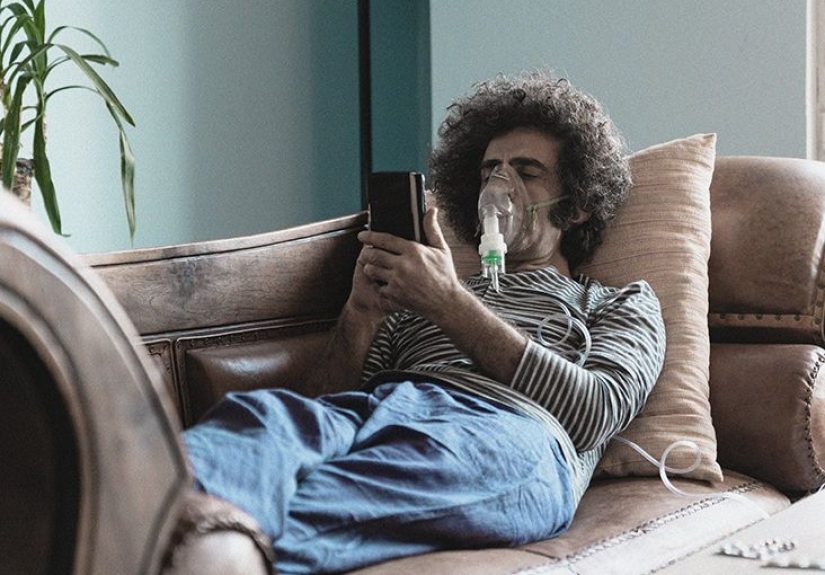
COPD medications are usually delivered through inhalers or nebulizers to get the medicine directly into the lungs. Common types include:
- Short-acting bronchodilators (rescue inhalers) to quickly relieve sudden shortness of breath.
- Long-acting bronchodilators to keep airways open throughout the day.
- Inhaled corticosteroids in some patients to reduce airway inflammation and cut down on exacerbations.
- Combination inhalers that pair bronchodilators and steroids for convenience and improved control.
- Other medications in select cases, such as phosphodiesterase-4 inhibitors or theophylline, when symptoms remain difficult to control.
Your treatment plan should be personalized based on your symptoms, lung function, flare-up history, and other health conditions. Using inhalers correctly (with good technique and adherence) is just as important as being prescribed the right one.
Living well with COPD: practical strategies
A COPD diagnosis doesn’t mean your life is over. It does mean your lungs are asking for a new game plan. Helpful day-to-day strategies include:
- Breathing techniques such as pursed-lip breathing and diaphragmatic breathing to ease shortness of breath.
- Energy conservation – pacing activities, taking breaks, organizing your home so essential items are easy to reach.
- Regular movement – walking, light strength training, or other activities approved by your care team to keep muscles strong and improve endurance.
- Healthy nutrition – some people with COPD lose weight and muscle, while others may gain weight if activity is limited; both extremes can make breathing harder.
- Mental health support – anxiety and depression are common in chronic lung disease; counseling, peer support, and, when needed, medication can help.
- Having an action plan – knowing what to do when symptoms suddenly get worse, which medications to adjust, and when to seek urgent care.
You and your healthcare team are partners. Regular follow-up visits, honest conversations about symptoms, and updating your COPD action plan can help you stay ahead of flare-ups instead of constantly chasing them.
Real-life experiences with COPD
COPD doesn’t look the same for everyone. The disease lives in real people with jobs, families, hobbies, and dreams not just in lung diagrams. The following composite stories (not based on any single individual) illustrate different ways COPD can show up and how people learn to live with it.
Case 1: “I just thought I was out of shape.”
Sam is 55 and has smoked since his late teens. For years, he noticed he was the slowest person on the stairs but joked about it and blamed his “dad bod.” Eventually, the shortness of breath got bad enough that he had to stop halfway up just one flight. After a bout of bronchitis that seemed to linger forever, his doctor ordered spirometry. The test confirmed moderate COPD.
At first, Sam felt guilty and frustrated. But with help from a smoking cessation program, he quit cigarettes after several attempts. He started pulmonary rehab, learned pursed-lip breathing, and gradually increased his walking distance. Now he still has COPD that hasn’t magically disappeared but he can walk his dog around the block without stopping, and he hasn’t been hospitalized in years. His takeaway: “I wish I’d taken my breathing seriously sooner, but I’m glad I finally did something.”
Case 2: “I never smoked, but I still have COPD.”
Maria is 62 and has never smoked a day in her life. She grew up in a home that used wood and coal for cooking and heating, and she spent decades working in a textile factory with frequent dust exposure. When she began experiencing a chronic cough and fatigue, she worried about her heart. Testing eventually revealed COPD caused by long-term irritant exposure, not tobacco.
The diagnosis surprised her she thought COPD was strictly a “smoker’s disease” but it also gave her answers. With inhaler therapy, pulmonary rehab, and some changes at work (including better protective masks), her symptoms became more manageable. She now advocates for cleaner air and reminds friends, “If you’re short of breath, don’t let anyone dismiss it just because you don’t smoke.”
Case 3: “Learning to plan, not panic.”
Devon is 48 and has severe COPD with a history of frequent exacerbations. Before he had a COPD action plan, every flare-up felt like a sudden, terrifying crisis that came out of nowhere. Now he tracks his symptoms, knows early warning signs (like thicker mucus and increased coughing), and has clear instructions from his care team about when to adjust inhalers, when to start rescue medications, and when to go straight to the emergency department.
He also keeps vaccinations up to date, uses a pulse oximeter at home as advised, and has rearranged his apartment so the things he needs are on one level, reducing the number of trips up and down stairs. Devon describes the difference this way: “I still have bad days, but I don’t feel helpless. I know what to do, and my family knows how to support me.”
These experiences highlight a few important themes:
- Symptoms can creep up slowly, so it’s easy to ignore them until they’re severe.
- Not all COPD patients smoked, and everyone deserves a thorough evaluation.
- Quitting smoking, using inhalers correctly, and attending pulmonary rehab can be life-changing.
- Having a practical COPD action plan helps turn panic into preparation.
If any of this sounds familiar, consider this your friendly nudge to talk to a healthcare professional. Online articles are great for understanding chronic obstructive pulmonary disease, but only a clinician who knows your history and can examine you in person can provide a diagnosis and a personalized treatment plan.
The bottom line
COPD is a long-term lung disease that causes airflow limitation, chronic symptoms like cough and shortness of breath, and a risk of serious flare-ups. It’s commonly linked to smoking but can also result from workplace exposures, air pollution, and genetic factors. While COPD is chronic and currently incurable, it is absolutely treatable.
Early diagnosis, smoking cessation, effective use of inhalers, pulmonary rehabilitation, vaccinations, and a solid action plan can help people with COPD breathe better, stay active, and enjoy their lives. Your lungs might not send you a thank-you card, but they will often reward you with more energy, fewer hospital visits, and more good days.
If you’re noticing persistent breathing problems, don’t ignore them. Talk with a healthcare professional, ask about spirometry, and start building a plan that supports your lungs for the long haul.