Table of Contents >> Show >> Hide
- Coke Zero vs. Diet Coke at a Glance
- What Is the Difference Between Coke Zero and Diet Coke?
- Coke Zero vs. Diet Coke Nutrition
- Which Tastes Better: Coke Zero or Diet Coke?
- Is Coke Zero Healthier Than Diet Coke?
- Potential Effects of Coke Zero and Diet Coke
- Who Should Choose Coke Zero?
- Who Should Choose Diet Coke?
- Better Alternatives If You Want to Cut Back on Both
- Final Verdict on Coke Zero vs. Diet Coke
- Real-World Experiences With Coke Zero vs. Diet Coke
- SEO Tags
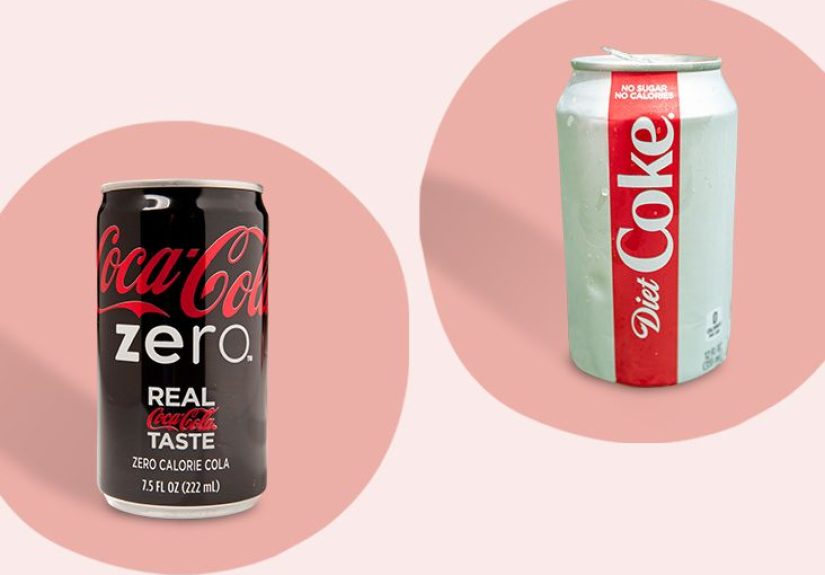
If the soda aisle had a long-running sibling rivalry, Coke Zero and Diet Coke would be it. One shows up in a sleek black outfit and says, “I’m basically regular Coke’s cool cousin.” The other strolls in with silver confidence and replies, “Please. I’ve been iconic since shoulder pads were in style.”
Both drinks are sugar-free, calorie-free, and wildly popular with people who want the fizz without the full sugar load of classic soda. But they are not the same drink wearing different name tags. When you compare Coke Zero vs. Diet Coke, the real differences come down to taste, sweetener blend, caffeine, ingredient profile, and how each fits into your everyday routine.
So which one wins? That depends on what you care about most. If you want something that tastes closer to regular Coke, one option usually stands out. If you prefer a crisper, lighter, more distinct diet soda flavor, the other tends to earn fierce loyalty. And if you are wondering whether one is actually healthier than the other, the answer is less dramatic than soda fans might hope.
Here is a clear, in-depth look at Coke Zero and Diet Coke, including flavor, nutrition, potential health effects, and what real-life drinkers often notice when they switch between the two.
Coke Zero vs. Diet Coke at a Glance
| Category | Coke Zero Sugar | Diet Coke |
|---|---|---|
| Calories | 0 | 0 |
| Sugar | 0g | 0g |
| Carbs | 0g | 0g |
| Sodium | 40mg per 12 oz | 40mg per 12 oz |
| Caffeine | 34mg per 12 oz | 46mg per 12 oz |
| Main flavor goal | Closer to original Coca-Cola taste | Lighter, distinct Diet Coke flavor |
| Typical sweeteners | Aspartame, acesulfame potassium | Aspartame |
On paper, they look almost identical. In the glass, though, many people can tell the difference in one sip. Some even act like they can identify them blindfolded, which is either impressive or a sign they spend too much time around vending machines.
What Is the Difference Between Coke Zero and Diet Coke?
1. They were designed to taste different
The biggest difference between Diet Coke and Coke Zero is flavor. Coca-Cola markets Coke Zero Sugar as a drink that tastes more like original Coca-Cola, while Diet Coke is meant to have its own lighter, cleaner, more distinctive profile.
That difference is not just marketing fluff. Many drinkers describe Coke Zero as rounder, sweeter, and more cola-like. Diet Coke often tastes brighter, sharper, and a bit more citrusy or crisp. People who love Diet Coke usually do not want it to taste like regular Coke. They want it to taste like Diet Coke, full stop, and honestly, their loyalty is admirable.
2. Their sweetener systems are not exactly the same
Both drinks use artificial sweeteners instead of sugar, but the formulations are different. Classic Diet Coke in the United States typically uses aspartame as its main sweetener. Coke Zero Sugar uses a blend that includes aspartame and acesulfame potassium, which helps create a flavor profile that more closely mimics regular Coke.
Ingredient lists can change over time, and flavors or regional versions may differ, so it is always smart to check the label on the can or bottle you actually buy. Still, in the everyday Coke Zero versus Diet Coke debate, the sweetener blend is one reason the taste difference is so noticeable.
3. The caffeine content is different
Here is a detail that surprises a lot of people: Diet Coke generally has more caffeine than Coke Zero Sugar. A standard 12-ounce can of Diet Coke has 46 milligrams of caffeine, while a 12-ounce can of Coke Zero Sugar has 34 milligrams.
That does not make either drink a rocket fuel situation, but if you are sensitive to caffeine, the difference can matter. It may also explain why some people say Diet Coke feels a little “perkier,” while Coke Zero seems smoother and slightly less buzzy.
Coke Zero vs. Diet Coke Nutrition
If your main question is whether one drink has fewer calories, less sugar, or fewer carbs, this showdown is anticlimactic in the best possible way. They are extremely similar.
Calories and sugar
Both drinks contain zero calories and zero grams of sugar per 12-ounce serving. That makes them far lower in sugar and calories than regular soda, which is the main reason many people choose them.
Carbohydrates
Both drinks typically have zero grams of carbohydrates. For people tracking carbs closely, that can make either one an easy swap for traditional soda.
Sodium
Both commonly contain about 40 milligrams of sodium per 12-ounce can. That is not a huge amount, but it is one of those label details worth knowing if you monitor sodium for health reasons.
Other nutrition notes
Neither drink offers meaningful vitamins, minerals, protein, or fiber. In other words, they are beverages for enjoyment, not nutrition. They can fit into a balanced diet, but they are not exactly wellness in a can.
Which Tastes Better: Coke Zero or Diet Coke?
This is where science politely steps aside and taste buds start arguing in the parking lot.
Coke Zero Sugar is usually the better pick if you like the taste of regular Coke and want something closer to that familiar cola flavor. It tends to have a fuller body and a sweeter finish.
Diet Coke is often the better choice if you enjoy a lighter, more distinct taste that does not try too hard to impersonate classic Coke. Fans of Diet Coke usually love its crisp edge and less syrupy feel.
Temperature also matters more than people admit. Plenty of drinkers think Coke Zero tastes best ice-cold straight from the fridge, while Diet Coke still holds its own over ice or from a fountain machine. Yes, soda people have opinions. Big ones.
Is Coke Zero Healthier Than Diet Coke?
For most people, there is no major nutritional reason to crown one of these drinks the healthier winner. Coke Zero and Diet Coke are very close in calories, sugar, and carbs. Neither is a health food. Neither is packed with nutrients. Neither is the villain in a cape, either.
If you are choosing between the two strictly from a health perspective, the better question is usually this: Which one helps you cut back on sugar without making you miserable?
For someone who drinks regular soda every day, switching to either Coke Zero Sugar or Diet Coke may reduce sugar and calorie intake. That can be a practical step in the right direction. But if you already drink mostly water, unsweetened tea, or sparkling water, neither diet soda is likely to improve your diet in any magical way.
Potential Effects of Coke Zero and Diet Coke
1. Blood sugar impact
Because these sodas contain no sugar, they generally do not raise blood glucose the way regular soda does. That is one reason sugar-free drinks are often used by people trying to reduce added sugar intake or better manage carbohydrate consumption.
That said, sugar-free does not automatically mean “drink all day without a second thought.” Overall eating patterns still matter far more than whether your soda is silver or black.
2. Weight management
Diet sodas are often chosen for weight control because they remove sugar and calories from a beverage that would otherwise add a lot of both. In the short term, that can be useful, especially if you are replacing regular soda.
But long-term research on artificial sweeteners and body weight is mixed. Some studies suggest they can help people reduce calorie intake when used intentionally. Other research finds that regular consumption of low-calorie sweeteners is linked with patterns that do not necessarily lead to better weight outcomes over time.
The bottom line: replacing a sugary drink with Diet Coke or Coke Zero can be helpful, but it is not a cheat code for instant health halos.
3. Artificial sweeteners and safety
Aspartame and other approved sweeteners have been reviewed by U.S. regulators, and they are considered safe for the general population when consumed within acceptable daily intake limits. At the same time, health experts continue to study how low-calorie sweeteners may affect appetite, metabolism, gut responses, and long-term eating habits.
That means the current evidence is not screaming, “Panic!” It is more like, “Use some moderation, and do not confuse diet soda with water.”
4. Phenylketonuria considerations
Both Coke Zero Sugar and Diet Coke contain aspartame, which means they also contain phenylalanine. People with phenylketonuria, or PKU, need to avoid phenylalanine, so these drinks are not appropriate for them.
5. Caffeine effects
Both drinks contain caffeine unless you choose a caffeine-free version. For many adults, the amount is moderate. But if you are sensitive to caffeine, prone to jitters, or trying not to turn 9 p.m. into an unplanned staring contest with your ceiling fan, the caffeine content matters. In that case, classic Diet Coke is the stronger pick, while Coke Zero Sugar is slightly lower.
6. Dental health
Even without sugar, diet sodas are still acidic. That means they may contribute to tooth enamel erosion over time, especially if you sip them frequently throughout the day. So while they are easier on your blood sugar than regular soda, your teeth may still file a polite complaint.
Who Should Choose Coke Zero?
Coke Zero Sugar may be the better fit if you:
- Prefer a taste closer to regular Coke
- Want a zero-sugar soda with a fuller cola flavor
- Would rather have slightly less caffeine than Diet Coke
- Are transitioning away from regular soda and want the swap to feel less dramatic
Who Should Choose Diet Coke?
Diet Coke may be the better fit if you:
- Love its crisp, lighter, signature flavor
- Want a bit more caffeine per can
- Do not care whether your diet soda tastes like original Coke
- Have been drinking it forever and will not be taking feedback at this time
Better Alternatives If You Want to Cut Back on Both
If your goal is to reduce both sugar and artificial sweeteners, there are other options worth trying:
- Sparkling water with lemon or lime
- Unsweetened iced tea
- Flavored seltzer
- Infused water with fruit or herbs
- Caffeine-free sparkling drinks with no added sweeteners
These alternatives will not taste exactly like cola, of course. Nothing does, which is probably why the cola giants keep winning. But they can help if you want the fizz without the full diet soda routine.
Final Verdict on Coke Zero vs. Diet Coke
In the battle of Coke Zero vs. Diet Coke, there is no massive nutritional knockout. Both are zero-calorie, zero-sugar soft drinks that can be useful if you are trying to cut back on regular soda. The main differences are taste, sweetener blend, and caffeine content.
If you want a drink that feels more like classic Coke, Coke Zero Sugar usually makes more sense. If you love a lighter, crisper, unmistakably diet-soda taste, Diet Coke is probably your winner. From a health standpoint, neither one is dramatically better for most people.
The smartest move is not obsessing over which can is more virtuous by half a percentage point. It is choosing the option that helps you reduce added sugar while keeping your overall diet realistic, balanced, and sustainable. Also, maybe drink some water. Your body loves a plot twist.
Real-World Experiences With Coke Zero vs. Diet Coke
In real life, the Coke Zero vs. Diet Coke conversation rarely stays on paper for long. It becomes about habits, cravings, routines, and that oddly specific feeling you get when a soda is exactly what you wanted. Many people who switch from regular Coke to Coke Zero say the transition feels easier because the flavor is familiar. It still has that darker cola vibe, that “movie night, burger, salty fries” energy. For someone trying to cut sugar without feeling deprived, Coke Zero can seem like the less emotionally dramatic breakup.
Diet Coke drinkers, on the other hand, often describe their loyalty in a completely different way. They are not chasing the flavor of classic Coke. They genuinely like Diet Coke for what it is. They talk about its sharper finish, cleaner taste, and extra bite. Some say it tastes better with fast food, better over pebble ice, or better from a fountain than from a can. And if you have ever met a committed Diet Coke person, you know this is not a casual preference. This is a whole identity with a backup 12-pack in the garage.
Another common experience is that people notice the caffeine difference more than they expect. Some find Diet Coke gives them a slightly stronger lift in the afternoon, while Coke Zero feels a little smoother. For someone who wants a lunch soda without getting too wired, Coke Zero may feel easier to fit into the day. For someone trying to replace a second coffee with something fizzy, Diet Coke sometimes wins.
People also report that food pairing changes their opinion. With pizza, burgers, or popcorn, Coke Zero often gets praise for tasting richer and more cola-like. With lighter meals or just as a stand-alone drink, Diet Coke can feel more refreshing. This is why some households keep both around, which is either smart planning or evidence that soda diplomacy is real.
There is also the “I used to hate one, and now I love it” effect. Taste changes. Habits change. People who once thought Diet Coke tasted strange sometimes grow to love its distinct flavor. Others start with Diet Coke, try Coke Zero later, and decide they prefer the version that feels closer to original Coke. The experience is highly personal, and brand loyalty only tells part of the story.
What many people seem to agree on is this: both drinks can be useful when trying to cut down on sugary soda, but neither fully replaces water, and neither feels great when it becomes an all-day sip-from-sunrise situation. The most satisfying approach tends to be intentional. Enjoy the one you actually like, drink it cold, have it with a meal if that works for you, and let it be a pleasure instead of a personality crisis in aluminum form.