Table of Contents >> Show >> Hide
- Why This Cinnamon Rolls Recipe Works
- Ingredients for Homemade Cinnamon Rolls
- How to Make Cinnamon Rolls from Scratch
- Overnight Cinnamon Rolls Option
- Tips for Soft, Fluffy Cinnamon Rolls
- Flavor Variations
- How to Store and Reheat Cinnamon Rolls
- Common Cinnamon Roll Problems and Fixes
- Serving Ideas
- Experience Notes: What Making Cinnamon Rolls Teaches You
- Conclusion
There are baked goods, and then there are cinnamon rolls: soft, swirly, buttery little spirals of joy that somehow make the whole house smell like a bakery with excellent emotional intelligence. A great cinnamon rolls recipe should give you tender dough, a gooey cinnamon sugar filling, and a cream cheese frosting that melts gently into the warm rolls instead of sliding off like it is late for a bus.
This homemade version is designed for real kitchens, real mornings, and real people who may or may not have remembered to soften the butter. It uses a rich yeast dough, brown sugar cinnamon filling, and a tangy vanilla cream cheese frosting. The method is simple enough for beginners, but detailed enough to help you avoid the classic cinnamon roll crimes: dry dough, runaway filling, dense centers, and frosting that tastes like sweet drywall. We are not doing that today.
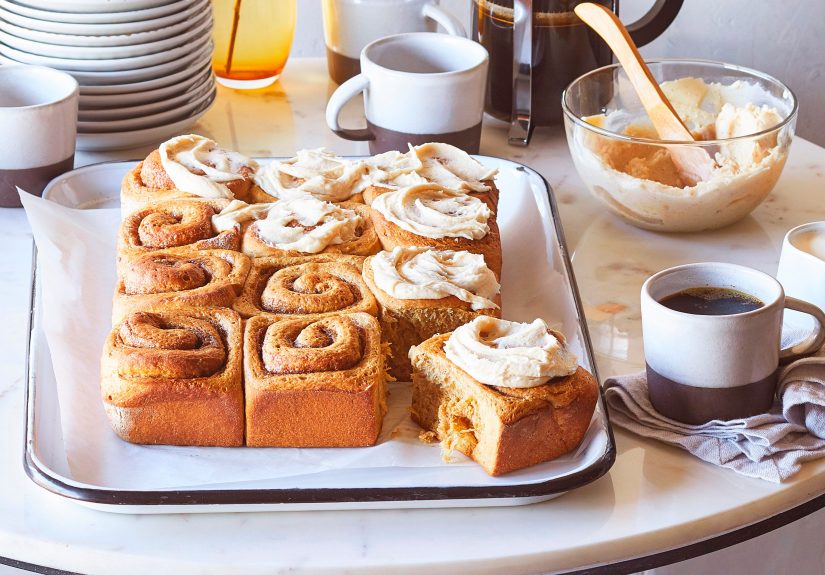
The result is a pan of fluffy homemade cinnamon rolls with golden tops, soft centers, and that irresistible bakery-style swirl. Serve them for breakfast, brunch, holidays, weekend baking, or any day that needs a little “I made this from scratch” applause.
Why This Cinnamon Rolls Recipe Works
A truly good cinnamon roll is all about balance. The dough should be soft but not fragile, sweet but not cake-like, rich but still light enough to pull apart in tender ribbons. This recipe uses milk, butter, egg, and a moderate amount of sugar to create an enriched dough. That means the rolls bake up softer and more flavorful than plain bread dough.
The filling is built with softened butter, brown sugar, cinnamon, vanilla, and a tiny pinch of salt. That last ingredient matters. Salt keeps the filling from tasting flat and helps the cinnamon pop. Think of it as the tiny stage manager behind the curtain, making sure the spice gets its spotlight.
The frosting is intentionally spread while the rolls are warm, not lava-hot. Warm rolls help the icing settle into the spirals, but if the rolls are too hot, the frosting melts into a sugary puddle. Delicious? Yes. Beautiful? Not unless your goal is “abstract breakfast art.”
Ingredients for Homemade Cinnamon Rolls
For the Dough
- 1 cup whole milk, warmed to about 105°F to 110°F
- 2 1/4 teaspoons active dry yeast or instant yeast
- 1/3 cup granulated sugar
- 1 large egg plus 1 egg yolk, room temperature
- 1/4 cup unsalted butter, melted and slightly cooled
- 3 1/2 cups all-purpose flour, plus more as needed
- 3/4 teaspoon fine salt
For the Cinnamon Sugar Filling
- 1/2 cup unsalted butter, softened
- 3/4 cup packed light or dark brown sugar
- 1 1/2 tablespoons ground cinnamon
- 1 teaspoon vanilla extract
- 1/8 teaspoon salt
For the Cream Cheese Frosting
- 4 ounces cream cheese, softened
- 3 tablespoons unsalted butter, softened
- 1 cup powdered sugar
- 1 teaspoon vanilla extract
- 1 to 2 tablespoons milk or heavy cream, as needed
- Pinch of salt
How to Make Cinnamon Rolls from Scratch
Step 1: Wake Up the Yeast
Pour the warm milk into a large mixing bowl or the bowl of a stand mixer. Sprinkle the yeast over the milk and add a teaspoon of the sugar. Let it sit for 5 to 10 minutes, until it looks foamy. If nothing happens, the yeast may be old, or the milk may have been too hot or too cold. Yeast is dramatic, but it has standards.
If using instant yeast, you can mix it directly with the dry ingredients, but blooming it in warm milk still gives you visual confirmation that it is alive and ready to work.
Step 2: Mix the Dough
Add the remaining sugar, egg, egg yolk, melted butter, flour, and salt. Mix until a shaggy dough forms. Knead with a dough hook for 6 to 8 minutes, or knead by hand for about 8 to 10 minutes. The dough should become smooth, elastic, and slightly tacky. It should not be so sticky that it clings to your hands like a needy sweater.
Add extra flour only one tablespoon at a time. Too much flour is one of the fastest ways to make dry cinnamon rolls. A slightly soft dough is your friend.
Step 3: Let the Dough Rise
Place the dough in a lightly greased bowl, cover it with a clean towel or plastic wrap, and let it rise in a warm spot until doubled in size. This usually takes 1 to 1 1/2 hours, depending on your kitchen temperature. Do not panic if it takes longer. Dough follows its own calendar.
The best sign is volume, not the clock. When the dough looks puffy and has roughly doubled, it is ready for the next step.
Step 4: Make the Cinnamon Filling
In a small bowl, stir together the softened butter, brown sugar, cinnamon, vanilla, and salt until spreadable. It should look like sweet cinnamon paste. If the butter is too cold, it will tear the dough. If it is melted, the filling may leak out during baking. Softened butter is the sweet spot.
Step 5: Roll and Fill
Lightly flour your work surface and roll the dough into a rectangle about 16 by 12 inches. Spread the cinnamon filling evenly over the dough, leaving a small bare border along one long edge. This border helps seal the log once it is rolled.
Starting from the long side, roll the dough into a snug log. Avoid rolling too tightly, because overly compressed rolls can rise unevenly in the oven. You want firm, not aggressive. Cinnamon rolls are breakfast, not a wrestling match.
Step 6: Slice the Rolls
Cut the log into 12 even rolls. A sharp serrated knife works, but unflavored dental floss is even better. Slide the floss under the log, cross the ends over the top, and pull to slice cleanly through the dough. This keeps the spirals round and neat instead of squashing them into cinnamon pancakes.
Step 7: Second Rise
Arrange the rolls in a greased 9×13-inch baking dish. Cover and let them rise again for 35 to 50 minutes, or until puffy and touching each other. This second rise is what gives the rolls their soft, cloud-like texture.
While the rolls rise, preheat the oven to 350°F. Give the oven enough time to heat fully. Underheated ovens are sneaky little saboteurs.
Step 8: Bake
Bake the cinnamon rolls for 22 to 28 minutes, until the tops are lightly golden and the centers are cooked through. If the tops brown too quickly, loosely tent the pan with foil during the last 5 to 8 minutes.
For extra precision, the center rolls should feel set and no longer doughy. A thermometer inserted into the center of a roll should register around 190°F. Let the rolls cool for 10 to 15 minutes before frosting.
Step 9: Make the Cream Cheese Frosting
Beat the cream cheese and butter together until smooth. Add powdered sugar, vanilla, salt, and 1 tablespoon of milk or cream. Beat until creamy, adding more liquid only if needed. The frosting should be thick but spreadable.
Spread the frosting over warm cinnamon rolls so it melts slightly into the spirals. Then take a moment. Admire the pan. Pretend you are calm. You are not calm. Nobody is calm around fresh cinnamon rolls.
Overnight Cinnamon Rolls Option
To make overnight cinnamon rolls, prepare the recipe through slicing and placing the rolls in the baking dish. Cover tightly and refrigerate overnight, up to about 12 hours. In the morning, remove the pan from the refrigerator and let the rolls sit at room temperature for 60 to 90 minutes, or until puffy.
Then bake as directed. This method is excellent for holidays, brunch gatherings, or mornings when you want homemade cinnamon rolls without turning your kitchen into a floury sunrise marathon.
Tips for Soft, Fluffy Cinnamon Rolls
Use Warm Milk, Not Hot Milk
Milk that is too hot can damage yeast. Aim for warm bathwater temperature, around 105°F to 110°F. If you do not have a thermometer, the milk should feel pleasantly warm, not hot.
Do Not Over-Flour the Dough
The dough should be soft and slightly tacky. Adding too much flour may make it easier to handle, but it can also create dense, dry rolls. Use just enough flour to keep the dough manageable.
Let the Dough Rise by Appearance
Rising times are estimates. A cool kitchen slows yeast activity, while a warm kitchen speeds it up. Watch the dough, not just the clock.
Spread Filling Evenly
An even layer of cinnamon sugar filling creates consistent flavor in every bite. Nobody wants the sad corner roll with one lonely speck of cinnamon.
Frost While Warm
Warm rolls help the frosting soften and settle into the swirls. Wait about 10 to 15 minutes after baking so the icing becomes glossy and creamy instead of completely melted.
Flavor Variations
Orange Cinnamon Rolls
Add 1 tablespoon of fresh orange zest to the filling and 1 teaspoon of orange zest to the frosting. The citrus makes the rolls taste bright, fragrant, and slightly fancy without requiring a chef hat.
Pecan Cinnamon Rolls
Sprinkle 1/2 cup chopped toasted pecans over the filling before rolling. Pecans add crunch, nuttiness, and a cozy bakery-style flavor.
Apple Cinnamon Rolls
Add 3/4 cup finely diced apples to the filling. Use firm apples, such as Honeycrisp or Granny Smith, and dice them small so the rolls still slice cleanly.
Extra Gooey Cinnamon Rolls
For a softer, richer bottom layer, pour 1/4 cup warm heavy cream around the rolls just before baking. This creates a gooey, tender finish. Use this trick when you want maximum indulgence and have already decided that moderation can come back tomorrow.
How to Store and Reheat Cinnamon Rolls
Store leftover cinnamon rolls covered at room temperature for up to 2 days, or refrigerate them for up to 5 days. If the rolls are frosted with cream cheese icing and your kitchen is warm, refrigeration is the safer choice.
To reheat, microwave one roll for 15 to 25 seconds, or warm several rolls in a 300°F oven until soft. Add a small spoonful of extra frosting after reheating if you want that fresh-baked magic back. This is not cheating. This is cinnamon roll maintenance.
Common Cinnamon Roll Problems and Fixes
Why Are My Cinnamon Rolls Dry?
Dry rolls usually come from too much flour, overbaking, or not enough fat in the dough. Measure flour carefully, check the rolls early, and remember that soft dough makes soft rolls.
Why Did My Filling Leak Out?
Some filling leakage is normal, but too much usually means the butter was melted instead of softened, or the rolls were packed too loosely in the pan. Use spreadable butter and arrange the rolls close enough to support each other.
Why Are My Rolls Dense?
Dense rolls often need more proofing time. Make sure the dough doubles during the first rise and becomes visibly puffy during the second rise. Yeast needs patience, not side-eye.
Can I Freeze Cinnamon Rolls?
Yes. Freeze baked, unfrosted rolls tightly wrapped for up to 2 months. Thaw overnight in the refrigerator, warm in the oven, and frost before serving. You can also freeze shaped rolls before the second rise, then thaw and proof before baking.
Serving Ideas
Cinnamon rolls are already the main event, but they play nicely with fresh berries, scrambled eggs, crispy bacon, hot coffee, or a cold glass of milk. For brunch, serve them with a simple fruit salad to balance the sweetness. For dessert, warm a roll and add a scoop of vanilla ice cream. That choice may not be subtle, but it is spiritually correct.
Experience Notes: What Making Cinnamon Rolls Teaches You
Making cinnamon rolls from scratch feels intimidating the first time because yeast dough has a reputation for being mysterious. In reality, it is less like solving a riddle and more like babysitting a very slow balloon. The dough needs warmth, time, and gentle handling. Once you understand that, the whole process becomes much less scary.
One of the biggest lessons is learning how dough should feel. Recipes can give measurements, but flour behaves differently depending on humidity, brand, and how it is measured. On a dry day, the dough may need a little less flour. On a humid day, it may ask for a touch more. The goal is not a perfectly clean bowl at all costs. The goal is a dough that feels soft, smooth, and alive. When you poke it gently, it should spring back a little, like it has confidence.
Another useful experience is discovering that cinnamon rolls reward patience. The first rise builds structure and flavor. The second rise creates that pillowy texture people love. Skipping or rushing either one can lead to rolls that taste fine but feel heavy. The dough does not care that you are hungry. It has a job to do. Let it do the job.
Rolling and slicing also improve with practice. The first batch may look a little uneven, and that is completely normal. Some rolls may be tall, some may be squat, and one may look like it has made unusual life choices. They will still taste wonderful. Using dental floss helps create cleaner cuts, and trimming the uneven ends of the dough log can make the center rolls more consistent.
The filling teaches balance, too. Too little cinnamon and the rolls taste like sweet bread wearing perfume from across the room. Too much and the spice can become bitter. Brown sugar gives a deeper, caramel-like flavor, while a pinch of salt makes everything taste more complete. Vanilla adds warmth without shouting.
Frosting timing is another small but important skill. If you frost the rolls straight from the oven, the icing melts almost completely. If you wait too long, it sits on top instead of sinking slightly into the swirls. The best moment is when the rolls are warm enough to soften the frosting but cool enough to keep it creamy. That usually happens after about 10 to 15 minutes, which is also the perfect amount of time to make coffee and announce dramatically that breakfast is ready.
Perhaps the best part of this cinnamon rolls recipe is how forgiving it becomes once you understand the process. The dough can rise a little slowly. The spirals do not need to be perfect. The frosting can be thicker or thinner depending on your mood. Homemade cinnamon rolls are not about machine-level precision. They are about comfort, smell, texture, and the kind of kitchen moment that makes people wander in asking, “Is that for everyone?” The correct answer is yes, but hide one for yourself anyway.
Conclusion
This cinnamon rolls recipe gives you soft, fluffy, bakery-style rolls with a rich cinnamon filling and smooth cream cheese frosting. The key is simple: use a tender enriched dough, let it rise properly, keep the filling spreadable, and frost the rolls while they are warm. Whether you bake them the same day or prepare them overnight, these homemade cinnamon rolls bring big brunch energy with very little drama. Well, except for the emotional drama of waiting for them to cool before eating one.