Table of Contents >> Show >> Hide
- What the Chemex Classic Is (and Why People Keep Falling for It)
- Why Chemex Coffee Tastes Different
- Choosing the Right Size: 3-Cup vs. 6-Cup vs. 8-Cup (and the “Cup” Thing)
- What You Need for a Great Chemex Brew
- How to Brew with a Chemex (Step-by-Step, Actually Useful Edition)
- Taste Troubleshooting: Fix the Cup Without Losing Your Mind
- Cleaning and Care: Keep It Gorgeous (and Not Weird-Tasting)
- Who the Chemex Is Perfect For (and Who Might Want a Different Brewer)
- Small Upgrades That Make a Big Difference
- of Chemex Experiences: The Ritual, the Vibes, the Little Wins
- Final Thoughts
Some coffee gear is purely practical. Some is purely pretty. And then there’s the Chemex Classic Coffee Makera brewer that somehow
manages to look like a museum piece and consistently turn out coffee with the kind of clarity that makes you pause mid-sip and go,
“Wait… was that blueberry?”
This article pulls together brewing guidance, product details, and real-world testing insights from a mix of respected U.S. specialty coffee voices,
major food publications, and the maker’s own product support materialsthen rewrites it all into one easy, human-friendly guide you can actually use.
Expect practical steps, specific examples, and just enough humor to keep your morning brain from filing for divorce.
What the Chemex Classic Is (and Why People Keep Falling for It)
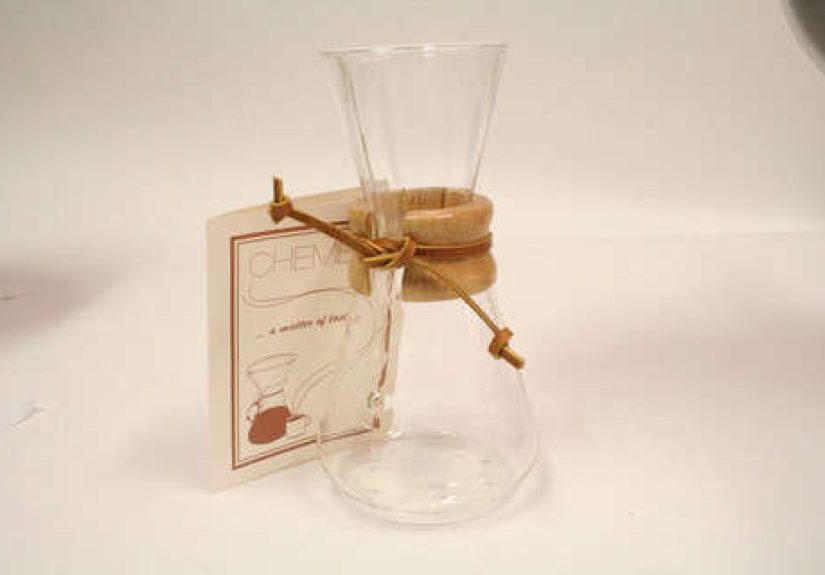
The Chemex Classic is a glass pour-over coffee maker with an iconic hourglass shape, a wooden collar, and a leather tie. There’s no power button,
no app, no firmware updates, and no “Subscribe to unlock premium crema.” It’s simply a beautifully engineered vessel designed to help you brew
clean, balanced coffeeespecially when paired with Chemex’s famously thick paper filters.
A quick design-and-history snapshot
The Chemex was invented in 1941 by chemist and inventor Dr. Peter Schlumbohm. It’s often celebrated as a “science meets design”
object because it’s functional, minimalist, and built around a straightforward brewing principle: control the flow of hot water through evenly
saturated grounds to extract flavor without dragging bitterness along for the ride.
Fun fact for your next coffee nerd conversation: the Chemex has been recognized in design circles for decades, which is a polite way of saying it’s
the rare coffee maker that looks equally at home on a kitchen counter, a photo shoot set, or the background of someone’s “I totally woke up like this”
morning routine.
Why Chemex Coffee Tastes Different
If you’ve ever had Chemex coffee and thought, “This tastes… cleaner,” you’re not imagining it. The Chemex’s calling card is clarity:
distinct tasting notes, low sediment, and less “heavy” mouthfeel than methods that let more oils through (like French press).
The filter is the secret sauce (well… paper)
Chemex Bonded filters are thicker than many standard paper filters. That thickness helps trap fine particles and some of the oils that can make coffee
taste muddy or bitter. The result is a cup that tends to highlight brightness, florals, fruit, and sweetnessespecially with light and medium roasts.
The brewer shape encourages even extraction
The cone-style brewing geometry naturally funnels water through a deeper bed of grounds than many flat-bottom brewers. When your grind size and pour
technique are dialed in, you get a steady drawdown that’s forgiving enough for beginners but still rewarding for tinkering types.
Choosing the Right Size: 3-Cup vs. 6-Cup vs. 8-Cup (and the “Cup” Thing)
Chemex sizing can be confusing because “cups” aren’t coffee-mug cups; they’re closer to small servings. In real-life terms:
- 3-cup: great for 1 person or small servings; quicker brews; easier to store.
- 6-cup: the everyday sweet spot for many homes; enough for 2–3 people or one serious morning.
- 8-cup: ideal for brunch, guests, or “I’m hosting but also want to look effortlessly classy.”
If you regularly brew for multiple people, size up. Chemex is at its best when you’re not trying to force a tiny dose into a huge brewer or
cram a giant dose into a small one. (Coffee is moody like that.)
What You Need for a Great Chemex Brew
You can brew with a Chemex using basic kitchen items, but if you want consistent results (and fewer “why is it bitter today?” moments), these help:
- Chemex + Chemex filters (square or pre-folded circle)
- Fresh coffee (whole bean if possible)
- Burr grinder (more consistent than blade grinders)
- Gooseneck kettle (optional, but it makes pouring control much easier)
- Scale (your best friend for repeatable coffee)
- Timer (your phone is finejust don’t drop it in the sink)
How to Brew with a Chemex (Step-by-Step, Actually Useful Edition)
This method is a flexible starting point designed for great flavor and repeatability. We’ll use a classic ratio and a calm, steady pour schedule.
Then you can tweak based on taste.
1) Pick a starting recipe
A common starting ratio is 1:15 to 1:17 (coffee to water by weight). If you like a richer cup, lean toward 1:15. If you want
brighter and lighter, lean toward 1:17.
Example (comfortably “goldilocks”):
- Coffee: 30 grams
- Water: 500 grams
- Grind: medium-coarse (think kosher salt)
- Total brew time: ~4 to 5 minutes (including bloom)
2) Fold and place the filter the right way
If you’re using the Chemex square filter, fold it into a cone so you have three layers on one side and one layer
on the other. Place it in the brewer with the thicker (three-layer) side aligned with the spout. This helps prevent clogging and keeps airflow steady.
3) Rinse the filter (yes, it matters)
Rinse thoroughly with hot water. This does two things: removes any papery taste and preheats the glass so your brew stays in a happy temperature zone.
Discard the rinse water.
4) Add coffee, level the bed, and tare the scale
Add your ground coffee, give the Chemex a gentle shake to level the bed, and set your scale to zero. A flat bed helps water flow evenly so you don’t
accidentally brew “half delicious, half chaos.”
5) Bloom: wet all the grounds
Start a timer and pour about 2–3x the coffee weight in water (for 30g coffee, pour 60–90g water) to saturate all grounds.
Stir gently or give a small swirl if you see dry pockets. Let it bloom for 30–45 seconds.
Blooming releases trapped gas (especially in fresh coffee). Skipping it can lead to uneven extractionlike trying to wash dishes while someone’s
still stacking plates in the sink.
6) Main pour in controlled pulses
Pour in slow spirals, staying away from the very edge of the filter. The goal is to keep the slurry level steadythink “calm lake,” not “stormy ocean.”
Here’s a simple pulse schedule:
- 0:45–1:30 pour up to 250g
- 1:30–2:15 pour up to 400g
- 2:15–3:00 pour up to 500g
7) Let it draw down and don’t rush the ending
Once you hit your final weight, let the water draw down completely. Total time often lands around 4–5 minutes for this dose, but the “right” time
is whatever tastes balanced. If the brew takes forever, your grind is likely too fine (or you poured too aggressively). If it finishes too fast and
tastes sour, you may need a slightly finer grind or slower pours.
Taste Troubleshooting: Fix the Cup Without Losing Your Mind
If it tastes bitter, harsh, or drying
- Grind a bit coarser.
- Lower water temperature slightly (aim roughly in the 195–205°F neighborhood).
- Pour a bit more gently to reduce over-agitation.
- Check brew timeif you’re consistently past ~6 minutes for a moderate dose, it’s a clue.
If it tastes sour or thin
- Grind slightly finer.
- Make sure you fully saturate grounds during bloom.
- Slow your pours a touch (or add one extra pulse).
- Try a slightly stronger ratio (e.g., move from 1:17 to 1:16).
If drawdown stalls or gets sludgy
- Grind coarser and avoid pouring directly onto the filter walls.
- Use the correct filter orientation (thicker side at the spout).
- If your grinder creates lots of fines, consider sifting or upgrading.
Cleaning and Care: Keep It Gorgeous (and Not Weird-Tasting)
The Chemex is glass, which is great for flavor neutralitybut coffee oils and stains still build up over time. The good news: maintenance is simple,
and you don’t need a chemistry degree to clean the chemist’s coffee maker.
Daily: quick rinse
After brewing, toss the filter and grounds, then rinse the Chemex with warm water. If you can do this before the coffee residue dries, you’ll save
yourself from future scrubbing.
Weekly (or as needed): deeper clean
Remove the wooden collar and leather tie before washing. For stubborn stains, many people use a hot water + vinegar soak, then rinse thoroughly.
A gentle bottle brush can help reach the lower curves. If you prefer specialty cleaning powders designed for coffee oils and mineral buildup, those
can also work wellespecially if you have hard water.
Pro tip: whatever cleaner you use, rinse until you’re 100% sure the Chemex smells like nothing. Coffee should taste like coffee, not like
“artisanal salad dressing.”
Who the Chemex Is Perfect For (and Who Might Want a Different Brewer)
You’ll probably love it if…
- You enjoy clean, bright, high-clarity coffee (especially single origins).
- You like a hands-on ritual and don’t mind a few minutes of pouring.
- You want a brewer that can also serve as a stunning carafe.
- You brew for guests and want a bigger-batch pour-over option.
You might prefer something else if…
- You want maximum body and oils (French press or metal-filter methods may suit you better).
- You want push-button convenience on rushed mornings.
- You dislike buying paper filters (though many people compost them).
Small Upgrades That Make a Big Difference
If you want your Chemex coffee to go from “nice” to “wow, I did that?” these upgrades are the greatest hits:
- Fresh grind with a burr grinder: fewer fines, more even extraction.
- A scale: repeatable recipes and better dialing-in.
- A gooseneck kettle: smoother pours and fewer channeling issues.
- Better water: filtered water often improves flavor clarity immediately.
of Chemex Experiences: The Ritual, the Vibes, the Little Wins
The Chemex isn’t just a coffee makerit’s a tiny morning ceremony you can actually finish before your first meeting (most days). People who fall in
love with it usually aren’t chasing “the fastest caffeine delivery system.” They’re chasing that moment when the kitchen smells like warm caramel,
citrus peel, and possibility. The process has a rhythm: fold the filter, rinse it, weigh the coffee, and pour in slow circles like you’re drawing a
caffeine summoning spell. It’s oddly soothinglike your hands are reminding your brain that you’re a person, not just an email-processing machine.
One of the most relatable Chemex experiences is the first time you brew a light roast and realize it doesn’t have to taste like “coffee bitterness
with a side of regret.” With the thick filter catching the gritty stuff, flavors show up more clearly. People often describe noticing specific notes
for the first timeberry, honey, jasmine, even a tea-like finish. It’s not magic; it’s just a clean extraction that lets the bean speak. And yes,
your coffee can be dramatic in a good way.
The Chemex also shines when friends are over. There’s something about setting it on the tableglass, wood, leather tiethat makes it feel like you
planned the gathering, even if you cleaned the kitchen by shoving everything into the oven like a domestic raccoon. Brewing for a small group becomes
part of the hangout: someone asks what you’re making, someone else leans in to smell the beans, and suddenly you’re explaining “blooming” like you’re
hosting a tiny TED Talk. Bonus points if you serve it in mugs that make everyone feel like they’re in an indie film about feelings and pastries.
Of course, there are learning-curve moments too. You might have a day where the drawdown stalls and you stare at it like it personally betrayed you.
Or you pour too fast, the bed channels, and the cup tastes thin. But the Chemex is forgiving in the sense that small tweaks usually fix things:
coarser grind, gentler pour, better saturation. Over time, many people build an intuitive feel for itlike knowing when pancakes are done without
measuring the exact shade of golden brown.
And then there’s the simple satisfaction of cleanup. Dump filter, quick rinse, done. No weird plastic reservoir smell. No hidden tubes. Just glass.
On quiet mornings, the Chemex can make coffee feel less like a routine and more like a reset button. Even if you’re not a “coffee hobbyist,” it’s a
tool that invites you to slow down for five minutesthen rewards you with a cup that tastes like you have your life together. (Even if you absolutely,
categorically, do not.)
Final Thoughts
The Chemex Classic Coffee Maker has stayed popular for one simple reason: it makes coffee that tastes clean, intentional, and
surprisingly nuancedwhile looking ridiculously good doing it. If you like bright, clear cups and don’t mind a hands-on pour-over ritual, it’s one of
the most satisfying brewers you can own. Start with a solid ratio, rinse the filter, pour calmly, and adjust based on taste. Your future self (and
your coffee) will thank you.