Table of Contents >> Show >> Hide
- What Makes Black Licorice Potentially Dangerous?
- Can Black Licorice Really Cause Death?
- How Much Black Licorice Is Too Much?
- Symptoms of Black Licorice Poisoning
- Who Is Most at Risk?
- Is All Black Licorice Dangerous?
- Black Licorice Candy vs. Licorice Root Supplements
- What to Do If You Ate Too Much Black Licorice
- Can Children Eat Black Licorice?
- How to Enjoy Black Licorice More Safely
- Common Myths About Black Licorice Poisoning
- Real-Life Style Experiences and Practical Lessons
- Conclusion: Should You Be Worried About Black Licorice?
Editorial health note: This article is for general education only and should not replace medical advice. If you have chest pain, fainting, severe weakness, confusion, a racing or irregular heartbeat, or symptoms after eating a large amount of black licorice, seek urgent medical care or call Poison Control in the United States at 1-800-222-1222.
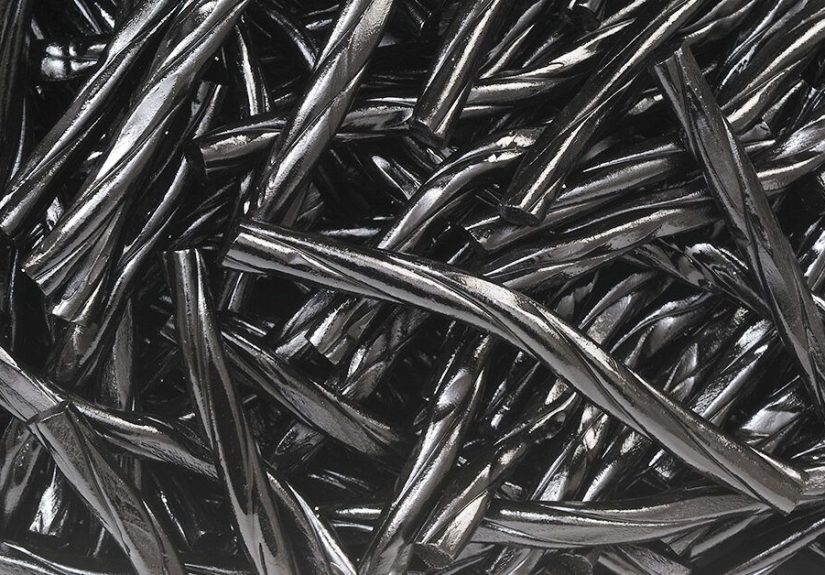
Black licorice is one of those candies people either love with a poet’s devotion or avoid like it personally insulted their ancestors. But behind its bold, earthy, slightly medicinal flavor is a surprisingly serious question: Can black licorice cause death?
The short answer is yes, in rare cases, black licorice can contribute to life-threatening poisoning and even death when eaten in large amounts or consumed regularly over time. The danger is not the sugar, the chewy texture, or the fact that it looks like something your great-uncle keeps in a glass dish “for guests.” The main concern is a natural compound called glycyrrhizin, found in real licorice root.
Glycyrrhizin can cause the body to lose potassium and retain sodium and water. That combination may raise blood pressure, trigger swelling, cause muscle weakness, and disturb the heart’s electrical rhythm. In severe cases, especially in people with heart disease, kidney disease, high blood pressure, or certain medication use, black licorice poisoning can become a medical emergency.
Still, this does not mean one piece of black licorice is a tiny candy-shaped villain. For most healthy adults, occasional small servings are unlikely to cause harm. The risk rises when intake becomes frequent, excessive, or combined with personal health factors that make potassium imbalance more dangerous.
What Makes Black Licorice Potentially Dangerous?
Traditional black licorice gets its flavor from the root of the Glycyrrhiza glabra plant. The active compound glycyrrhizin is intensely sweet and biologically active. It does not simply pass through the body politely like a well-behaved snack. In high enough amounts, it can interfere with hormones that help regulate salt, fluid balance, and blood pressure.
Inside the body, glycyrrhizin is converted into glycyrrhetinic acid. This compound can inhibit an enzyme called 11-beta-hydroxysteroid dehydrogenase type 2. That mouthful of science matters because the enzyme normally helps protect certain receptors in the kidneys from being overstimulated by cortisol. When the enzyme is blocked, cortisol can act more like aldosterone, a hormone that tells the body to hold onto sodium and get rid of potassium.
The result may be a condition that resembles too much aldosterone activity, sometimes called pseudoaldosteronism or apparent mineralocorticoid excess. In plain English: the body may retain salt and water, lose potassium, and push blood pressure upward. Your heart, meanwhile, depends on potassium to keep its rhythm steady. When potassium drops too low, the heart’s electrical system can become unstable.
Can Black Licorice Really Cause Death?
Yes, but it is uncommon. Death from black licorice is usually linked to heavy, repeated intake of real licorice-containing products, not a small occasional treat. The best-known risk pattern involves eating large amounts every day for several weeks, causing potassium levels to fall dangerously low.
Low potassium, known medically as hypokalemia, can cause muscle weakness, fatigue, cramps, constipation, abnormal heart rhythms, and in severe cases, cardiac arrest. If the heart rhythm becomes dangerously irregular, the situation can become fatal without rapid treatment.
A widely discussed medical case involved a middle-aged man who developed cardiac arrest after eating large amounts of black licorice candy daily for weeks. His case highlighted a point many people miss: licorice poisoning can happen through ordinary foods, not just herbal supplements or concentrated extracts.
The risk is not limited to candy, either. Licorice root may appear in herbal teas, throat lozenges, supplements, chewing tobacco flavorings, certain beers, herbal blends, and imported sweets. Some products clearly list licorice extract. Others may use terms such as “licorice root,” “Glycyrrhiza,” or “glycyrrhizic acid.” The label is your friend here, even if it requires squinting under kitchen lighting like a detective in a nutrition-label noir.
How Much Black Licorice Is Too Much?
There is no single universal “deadly dose” of black licorice because glycyrrhizin content varies widely by product, body size, age, health status, and medication use. However, a commonly cited safety warning is that adults over 40 may develop heart rhythm problems after eating about 2 ounces of real black licorice per day for at least two weeks.
Two ounces may not sound like much. Depending on the candy, it can be only a handful of pieces. That is what makes the warning useful: black licorice toxicity is not only a theoretical problem for someone eating a cartoon mountain of candy. Repeated moderate-to-large servings can add up.
General Intake Guidance
For most adults, occasional small servings of black licorice are unlikely to cause poisoning. Problems are more likely when someone eats it daily, eats large portions, or uses multiple licorice-containing products at the same time. For example, a person might eat black licorice candy, drink licorice tea, and take a “natural digestive support” supplement without realizing all three may contain glycyrrhizin.
If you love black licorice, consider it a treat rather than a daily habit. Think of it less like popcorn and more like espresso: enjoyable, bold, and best not consumed by the bucket.
Symptoms of Black Licorice Poisoning
Black licorice poisoning often develops from electrolyte and fluid-balance changes. Symptoms may appear gradually, which can make the connection easy to miss. Someone may feel weak, tired, bloated, or “off” before realizing their favorite candy is part of the problem.
Possible Symptoms Include:
- Muscle weakness or heaviness
- Fatigue or unusual tiredness
- Muscle cramps or aches
- Swelling in the legs, ankles, or feet
- Headache
- High blood pressure
- Irregular heartbeat, fluttering, pounding, or racing pulse
- Shortness of breath
- Constipation
- Nausea or loss of appetite
- Confusion, fainting, or collapse in severe cases
These symptoms can overlap with many other health problems, so black licorice poisoning may not be obvious at first. That is why it is important to tell a healthcare provider about candy, teas, supplements, herbal remedies, and unusual foods you consume regularly. Doctors cannot connect dots they do not know exist.
Who Is Most at Risk?
Anyone can potentially develop licorice-related side effects if they consume enough glycyrrhizin, but some people are more vulnerable than others.
Higher-Risk Groups
- Adults over 40: Heart rhythm problems and blood pressure concerns become more common with age.
- People with high blood pressure: Licorice can raise blood pressure further.
- People with heart disease: Low potassium can increase the risk of dangerous arrhythmias.
- People with kidney disease: The kidneys play a central role in electrolyte balance.
- People taking diuretics: Some water pills already increase potassium loss.
- People taking digoxin: Low potassium can increase the risk of digoxin toxicity.
- People taking blood pressure medications: Licorice may work against treatment goals.
- Pregnant people: Licorice root products are generally best avoided unless a clinician says otherwise.
- People with eating patterns low in nutrients: A poor overall diet may make electrolyte problems worse.
Medication interactions deserve special attention. Licorice may interact with diuretics, corticosteroids, blood pressure medicines, heart rhythm medicines, digoxin, and some herbal supplements. If you take regular medications, ask a pharmacist or doctor before making black licorice or licorice root products a habit.
Is All Black Licorice Dangerous?
No. Here is where things get slightly chewy. Some “black licorice” candies in the United States do not contain real licorice root. They may be flavored with anise oil, which has a similar taste and aroma but does not carry the same glycyrrhizin risk.
That means two black candies may look similar but behave differently in the body. One may contain licorice extract; another may simply taste like licorice. The only reliable way to know is to read the ingredient list.
Ingredients to Watch For
- Licorice extract
- Licorice root
- Glycyrrhiza glabra
- Glycyrrhizin
- Glycyrrhizic acid
- Ammoniated glycyrrhizin
If a product says DGL licorice, that means deglycyrrhizinated licorice. DGL products have had much of the glycyrrhizin removed and are often marketed for digestive support. However, supplements vary in quality, and DGL does not automatically mean “safe for everyone.” If you have medical conditions or take medication, check with a healthcare professional first.
Black Licorice Candy vs. Licorice Root Supplements
Black licorice candy is not the only concern. Licorice root supplements may contain more concentrated amounts of active compounds than candy. Herbal teas and extracts can also contribute to total intake. This is important because many people see herbal products as gentle by default. Nature is wonderful, but nature also invented poison ivy, pufferfish toxin, and the mosquito. “Natural” is not the same as “risk-free.”
Licorice root has been used traditionally for digestive discomfort, coughs, sore throats, and other concerns. Some research suggests licorice compounds may have anti-inflammatory or antimicrobial properties, but benefits depend on the preparation, dose, and condition being treated. The safety concern remains: regular use of glycyrrhizin-containing licorice can affect blood pressure and potassium.
What to Do If You Ate Too Much Black Licorice
If you ate a large amount of black licorice once but feel fine, stop eating it and monitor yourself. Drink water, eat normally, and avoid taking potassium supplements unless a clinician advises it. Potassium is important, but too much potassium can also be dangerous, especially for people with kidney problems or certain medications.
If you have symptoms such as muscle weakness, irregular heartbeat, chest discomfort, shortness of breath, fainting, severe swelling, or confusion, seek medical care promptly. Tell the provider exactly what you ate, how much, how often, and for how long. Bring the package if possible.
Medical Treatment May Include:
- Blood tests to check potassium, sodium, kidney function, and acid-base balance
- Electrocardiogram testing to evaluate heart rhythm
- Potassium replacement when medically appropriate
- Stopping licorice-containing products
- Medication review to identify interactions
- Monitoring blood pressure and heart rhythm
Many cases improve after stopping licorice and correcting potassium levels, but severe cases require urgent care. Do not try to treat serious symptoms at home with bananas and optimism.
Can Children Eat Black Licorice?
Children should not eat large amounts of black licorice. Occasional small servings of candy are unlikely to be dangerous for most healthy kids, but licorice root products and herbal supplements should be handled carefully. Children have smaller bodies, and dosing mistakes can matter more.
Parents should also remember that black licorice is not always the most exciting candy in the trick-or-treat bag. Many children will naturally reject it with the dramatic intensity of a tiny food critic. If they do like it, keep portions small and avoid daily use.
How to Enjoy Black Licorice More Safely
You do not necessarily need to throw your black licorice into the nearest volcano. The key is moderation, label reading, and knowing your personal risk.
Practical Safety Tips
- Eat black licorice occasionally, not every day.
- Keep portions small, especially if the product contains real licorice extract.
- Avoid combining candy, tea, lozenges, and supplements that all contain licorice root.
- Choose anise-flavored products if you want the taste without real licorice extract.
- Ask your doctor or pharmacist about licorice if you take heart, kidney, blood pressure, or diuretic medications.
- Stop eating black licorice and seek advice if you develop weakness, swelling, or heart rhythm symptoms.
- Keep licorice supplements away from children unless specifically recommended by a pediatric clinician.
Common Myths About Black Licorice Poisoning
Myth 1: “It Is Just Candy, So It Cannot Be Serious.”
Real black licorice contains a biologically active plant compound. Food can absolutely affect health. Grapefruit can interact with medications. Salt can affect blood pressure. Black licorice can affect potassium. Candy status does not grant immunity from chemistry.
Myth 2: “Only Huge Amounts Are Dangerous.”
Huge amounts are certainly riskier, but repeated intake matters. A daily habit over weeks can be more concerning than a single small serving. Risk also depends on age, health conditions, medications, and the amount of glycyrrhizin in the product.
Myth 3: “If I Feel Fine, My Potassium Must Be Fine.”
Not always. Mild or moderate potassium changes may not cause obvious symptoms. Some people discover low potassium only after a blood test. If you eat real black licorice regularly and have risk factors, it is worth discussing with a healthcare provider.
Myth 4: “Red Licorice Has the Same Risk.”
Usually, no. Many red “licorice” candies do not contain licorice root. They are typically fruit-flavored chewy candy. However, always read labels because product formulas vary.
Real-Life Style Experiences and Practical Lessons
Black licorice poisoning is rare, but the situations that lead to it are surprisingly ordinary. Imagine someone who keeps a bag of black licorice at their desk. At first, it is just a piece after lunch. Then it becomes a few pieces during emails. Then the bag is replaced every couple of days because work stress has apparently formed a strategic alliance with chewy candy. After a few weeks, that person notices leg swelling, fatigue, and a heartbeat that feels like it is trying out for a drum solo. The candy may not be the first suspect, but it belongs on the list.
Another common scenario involves people who prefer “natural” remedies. A person may drink licorice root tea for digestion, use throat lozenges for a cough, and take an herbal supplement for energy or adrenal support. None of these products seems alarming alone. Together, they may create a steady glycyrrhizin intake. This is why healthcare providers often ask about supplements and teas, not just prescription drugs. The body counts active compounds, not marketing categories.
Older adults may face a different version of the problem. Someone with high blood pressure may enjoy black licorice as a nostalgic treat, especially around holidays. If that person also takes a diuretic, the combination may increase the chance of potassium dropping too low. The person might blame weakness on age, fatigue, or a busy week. Meanwhile, the real issue may be an avoidable electrolyte imbalance.
There is also the “I switched candies” story. A person may eat sweets frequently but change from fruit-flavored candy to black licorice. The total sugar habit may look the same, but the physiological effect changes because real black licorice adds glycyrrhizin to the equation. That small switch can matter, especially when the new candy is eaten daily.
The biggest lesson from these experiences is not fear; it is awareness. Black licorice is not evil. It is not lurking in the pantry wearing a tiny villain cape. But it is a candy with a medicinally active ingredient when made with real licorice root. Treating it with a little respect is reasonable.
If you publish or share health advice online, this topic is also a useful reminder that dosage and context matter. “Can black licorice cause death?” sounds dramatic, and yes, the answer can be yes. But the useful answer is more nuanced: rare deaths and serious poisonings are linked to excessive or repeated intake, especially in people with risk factors. A single bite is not the same as daily bags. A healthy young adult is not the same as a person with heart disease taking potassium-depleting medication.
For everyday life, the safest approach is simple. Read labels. Avoid daily large servings. Be extra cautious with licorice root supplements and teas. Ask a healthcare professional if you have high blood pressure, kidney disease, heart disease, pregnancy, or regular medication use. And if black licorice ever makes you feel weak, swollen, faint, or rhythmically suspicious in the chest, stop eating it and get medical advice.
Conclusion: Should You Be Worried About Black Licorice?
Black licorice can cause poisoning and, in rare severe cases, death. The danger comes mainly from glycyrrhizin, a compound in real licorice root that can lower potassium, raise blood pressure, and trigger dangerous heart rhythm problems. The risk is highest with heavy daily intake, licorice root supplements, medication interactions, and underlying heart, kidney, or blood pressure conditions.
For most healthy people, an occasional small serving is unlikely to cause harm. But black licorice is not a snack to eat mindlessly every day, especially by the handful. If you love the flavor, enjoy it occasionally, check whether the product contains real licorice extract, and consider anise-flavored alternatives if you need to avoid glycyrrhizin.
The bottom line: black licorice is a treat, not a wellness plan. Respect the dose, respect your health history, and your candy dish can stay charming instead of cardiologically dramatic.