Table of Contents >> Show >> Hide
- What Is a Blister?
- Blisters in Pictures: What Different Types Usually Look Like
- Common Causes of Blisters
- Who Is More Likely to Get Blisters?
- How to Treat a Blister at Home
- When to See a Doctor
- Outlook: How Long Do Blisters Last?
- How to Help Prevent Blisters
- Common Experiences People Have With Blisters
- Final Thoughts
Blisters are the skin’s version of bubble wrap: annoying, oddly fascinating, and surprisingly useful. While they can look dramatic, many blisters are the body’s built-in defense system. That raised pocket of fluid helps protect damaged skin underneath so it can heal with a little less friction, pressure, and chaos.
Still, not every blister is created equal. Some show up after a long hike in shoes that clearly had other plans. Others can come from burns, cold sores, eczema, allergic reactions, infections, or autoimmune conditions. A simple friction blister is usually more inconvenience than emergency. But a cluster of painful blisters, a blister with pus, or one paired with fever is a different story.
This guide breaks down what blisters look like in pictures, the most common blister causes, how to treat them safely, and what the outlook is for healing. We will also cover when a blister should stop being a DIY problem and start being a doctor problem.
What Is a Blister?
A blister is a small pocket of fluid that forms under the top layer of skin. The fluid may be clear, cloudy, or even blood-tinged. In medical language, small blisters are often called vesicles, while larger ones may be called bullae. Most people, thankfully, just call them blisters and move on with their day.
Blisters usually form when the skin is injured or irritated. Repeated rubbing, heat, allergic reactions, infections, and some diseases can damage the outer layers of skin and cause fluid to collect underneath. That fluid acts like a cushion, protecting the area while new skin forms.
Blisters in Pictures: What Different Types Usually Look Like
If you search for blister pictures online, you will notice that the appearance can vary a lot depending on the cause. Here is how common types typically look:
Friction blisters
These are the classic shoe-regret blisters. They usually appear as round or oval raised bubbles filled with clear fluid. They often show up on the heels, toes, soles, palms, or fingers. The surrounding skin may look red or irritated.
Blood blisters
A blood blister looks darker red, purple, or nearly black because the fluid under the skin contains blood. These can happen after pinching, crushing, or intense friction. They often look more dramatic than they are, which is rude but common.
Burn blisters
Blisters from second-degree burns often sit on a red, painful patch of skin. Sunburn blisters can appear in clusters and may come with swelling, tenderness, and peeling as the skin heals.
Cold sores or fever blisters
These usually appear as small grouped blisters around the lips or mouth. They can tingle, burn, crust over, and come back during future flare-ups because they are linked to herpes simplex virus.
Dyshidrotic eczema blisters
These tend to be tiny, deep-seated, intensely itchy blisters on the sides of the fingers, palms, or soles. In pictures, they often look like clusters of tapioca-like bumps. Charming image, terrible experience.
Impetigo-related blisters
These may begin as blisters or sores that break open and develop honey-colored crusts. They are more common in children and are caused by bacterial infection.
Autoimmune blistering diseases
Conditions such as bullous pemphigoid or pemphigus can cause larger, more widespread, or recurrent blisters. Some are tense and firm, while others are fragile and break easily. Mouth blisters or blisters on multiple body areas can be a clue that something deeper is going on.
Common Causes of Blisters
1. Friction and pressure
This is the most common cause of blisters by a mile. Shoes that rub, tools without gloves, sweaty socks, athletic activity, or repetitive hand movements can all create enough friction to separate skin layers. Once that happens, fluid moves in and a blister forms.
Friction blisters are especially common in runners, hikers, gym-goers, gardeners, rowers, and anyone who has ever believed, incorrectly, that “these shoes will probably break in fast.”
2. Burns and sunburn
Heat can injure the skin quickly, whether it comes from a hot pan, steam, boiling water, or too much sun. Burn blisters are common in partial-thickness burns, often called second-degree burns. Sunburn blisters are a sign the burn is more severe than the standard “I forgot sunscreen” situation.
3. Viral infections
Several viral illnesses can cause blistering. Cold sores are caused by herpes simplex virus. Chickenpox and shingles are linked to varicella-zoster virus. Hand, foot, and mouth disease can cause blister-like sores in the mouth and a rash on the hands and feet, especially in young children.
4. Eczema and dermatitis
Some inflammatory skin conditions cause blistering too. Dyshidrotic eczema often causes small itchy blisters on the hands and feet. Contact dermatitis from poison ivy, poison oak, certain chemicals, metals, or skin products can also cause red, itchy, blistering rashes.
5. Bacterial skin infections
Impetigo can produce blisters, especially in children. Once those blisters break, they may leave behind the classic honey-colored crust. Infected blisters may also become redder, warmer, more painful, or start draining pus.
6. Autoimmune blistering diseases
Sometimes the immune system mistakenly attacks proteins that help skin layers stay attached. That can lead to blistering disorders such as bullous pemphigoid or pemphigus. These conditions are much less common than friction blisters, but they are important because they usually need medical treatment.
7. Genetic skin disorders
Epidermolysis bullosa is a group of inherited conditions that make the skin very fragile, so even mild rubbing or trauma can cause blisters. These disorders are rare, but they are part of the reason doctors pay attention when blistering is widespread, severe, or starts very early in life.
8. Medical conditions that slow healing
People with diabetes, circulation problems, or weakened immune systems have extra reason to take blisters seriously, especially on the feet. A small blister can turn into a much bigger problem if it is not noticed, becomes infected, or does not heal well.
Who Is More Likely to Get Blisters?
Anyone with skin can get a blister, so yes, that is all of us. But certain factors make them more likely:
- New or poorly fitting shoes
- Sports, hiking, running, and repetitive manual work
- Hot, sweaty skin
- Burn risk at home or work
- Eczema or sensitive skin
- Exposure to poison ivy or irritating chemicals
- Viral or bacterial skin infections
- Older age, diabetes, poor circulation, or immune system issues
How to Treat a Blister at Home
For a simple blister caused by friction or minor irritation, home care is often enough.
Keep it clean and dry
Wash the area gently with soap and water. Pat it dry rather than scrubbing like you are polishing furniture.
Do not peel off the top skin
The skin over the blister acts as a natural cover. If you remove it too soon, you increase the chance of infection and tenderness.
Protect it from more rubbing
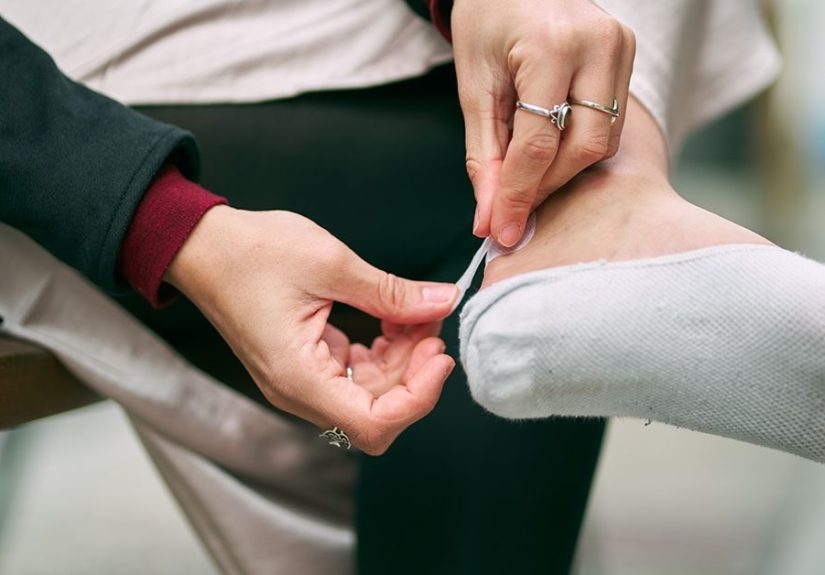
Use a bandage, blister pad, moleskin, or soft dressing. If the blister is on the foot, switching shoes and socks matters just as much as the bandage.
Use padding for pressure points
If walking hurts, a donut-shaped pad around the blister can reduce pressure directly on the sore spot.
If it opens on its own
Wash it gently, leave the loose skin in place if possible, apply plain petroleum jelly, and cover it with a clean nonstick bandage. Change the dressing daily or sooner if it gets wet or dirty.
Should you pop a blister?
Usually, no. Most small blisters are better left alone. If a blister is very large, very painful, or likely to burst anyway, some clinicians advise draining it carefully while keeping the roof of the blister intact. But if you have diabetes, poor circulation, immune suppression, or any sign of infection, it is smarter to call a healthcare professional than to play home dermatologist.
When to See a Doctor
Most blisters are minor, but some deserve medical attention sooner rather than later. Contact a healthcare professional if:
- The blister becomes increasingly red, warm, swollen, or painful
- Pus, bad-smelling drainage, or spreading discoloration appears
- You have a fever, fatigue, or feel generally ill
- You have several blisters and do not know why
- Blisters are in the mouth, near the eyes, or on the genitals
- You have large burn blisters or a bad sunburn with blistering
- You have diabetes, poor circulation, or a weakened immune system
- A blister does not heal or keeps coming back
- You notice widespread blistering or blisters with an expanding rash
Blisters in infants, widespread blistering, or blistering linked with breathing trouble, swallowing trouble, or severe illness need prompt evaluation. Those are not “wait and see” moments.
Outlook: How Long Do Blisters Last?
The outlook depends on the cause. A simple friction blister often improves within a few days and may heal fully within about a week if you stop the rubbing. Blood blisters can take a bit longer. Burn blisters vary depending on the depth of the burn.
The outlook changes when a blister is tied to infection, eczema, an autoimmune disease, or a genetic condition. In those cases, healing may take longer, flare-ups may return, or long-term treatment may be needed. Some disease-related blisters can scar, especially when they form deeper in the skin or cover large areas.
The good news is that many everyday blisters heal well and do not leave a scar. The less good news is that they often heal just slowly enough to remain irritatingly memorable.
How to Help Prevent Blisters
- Wear shoes that fit well and break them in gradually
- Choose moisture-wicking socks instead of sweat-soaking ones
- Use gloves for yard work, lifting, rowing, or tool-heavy tasks
- Apply blister pads or tape to hot spots before activity
- Keep feet as dry as possible during long workouts
- Avoid known irritants such as poison ivy, harsh chemicals, or triggering skincare products
- Use sunscreen to reduce the risk of severe sunburn blisters
- Check your feet daily if you have diabetes or reduced sensation
Common Experiences People Have With Blisters
One of the most common blister stories starts with optimism and ends with limping. Someone buys new shoes for a trip, decides they feel “pretty good” in the store, and then spends six hours walking through an airport, downtown area, or amusement park. At first, there is just a warm spot on the heel. Then comes the sting. By the time the shoes come off, there is a clear blister the size of a small coin. The big lesson is that friction blisters rarely appear out of nowhere. They usually send warning signals first.
Another familiar experience is the gym blister. Weightlifting, rowing, tennis, pickleball, or even a burst of spring yard work can create blisters on the hands fast. Many people say the area feels tender before they notice the fluid pocket itself. If they keep going, the blister may tear and leave raw skin behind. That is why gloves, grip changes, or a little athletic tape can feel wonderfully unglamorous but extremely effective.
Parents often have a different kind of blister anxiety. A child may wake up with mouth sores, a rash on the hands and feet, or a few crusted blisters around the nose and mouth. Suddenly, what looked like “just a skin thing” becomes a question about school, contagion, hydration, and whether the pediatrician needs to be called today. In these situations, the blister is only one clue. The child’s fever, appetite, energy level, and the pattern of the rash matter just as much.
People with eczema often describe blistering as more itchy than painful, at least at first. Tiny blisters on the fingers or palms can make routine tasks strangely difficult. Typing, washing dishes, cooking, and opening packages all become more annoying when the skin feels tight, itchy, or ready to crack. Once the blisters dry out, peeling and soreness may follow. The experience is not always dramatic in photos, but it can be incredibly disruptive in daily life.
Then there is the sunburn blister experience, which usually comes with a side of regret. People often realize the severity hours after the sun exposure, when the skin feels hot, tight, and intensely sore. The blisters may show up later, turning a bad burn into a very bad idea with consequences. Many describe difficulty sleeping, wearing clothing, or even sitting comfortably if the burn is on the shoulders, back, or legs. It is a strong reminder that sunscreen is less exciting than vacation photos but much more useful the next day.
For people with diabetes or reduced sensation in the feet, the experience can be quieter but more serious. A blister may not hurt much, which sounds convenient until it delays care. Some people do not notice a blister until they see drainage on a sock or redness spreading around the area. That is one reason daily foot checks matter. A blister that seems tiny can become an ulcer or infection if it is ignored.
Finally, recurrent blisters can be emotionally exhausting. When blisters return around the lips, inside the mouth, or on multiple areas of the body, people often feel frustration before they feel anything else. They may worry about infection, appearance, pain, or whether a serious condition is developing. In that situation, getting a proper diagnosis can be a relief. Even when treatment is not instant, understanding the cause gives people a plan, and a plan is a lot better than guessing with a bandage drawer and crossed fingers.
Final Thoughts
Blisters may be small, but they tell a surprisingly big story about what the skin is dealing with. Sometimes that story is simple: too much rubbing, too much heat, not enough common sense with new shoes. Other times, blisters can signal infection, inflammation, or a condition that needs medical care.
The bottom line is straightforward. Protect simple blisters, keep them clean, reduce friction, and watch for signs that something more serious is happening. If a blister is unusually painful, widespread, infected, recurrent, or paired with other symptoms, get it checked. Your skin is trying to tell you something. It is worth listening before it starts shouting.