Table of Contents >> Show >> Hide
- What Bitter Lemon Vinegar Actually Is
- Why Lemons Get Bitter: The Flavor Science (Minus the Lab Coat)
- How to Make Bitter Lemon Vinegar at Home
- Best Ways to Use Bitter Lemon Vinegar in Cooking
- Bitter Lemon Vinegar for Drinks: Shrubs and Oxymels
- Cleaning With Lemon Vinegar: Helpful Cleaner, Not a Magic Disinfecting Wand
- Health Talk: What Vinegar Can (and Can’t) Do
- Buying Bitter Lemon Vinegar: What to Look For
- FAQ
- Conclusion: Make It Bright, Keep It Balanced
- Experiences With Bitter Lemon Vinegar (The Real-World Kind)
If life gives you lemons, you can make lemonade. If life gives you lemons and you’re feeling a little dramatic, you can make
bitter lemon vinegara bright, punchy vinegar infused with lemon peel that tastes like a vinaigrette and a cocktail mixer
had a zesty little plot twist.
This isn’t just “vinegar + lemon juice” (although that combo has its place). Proper bitter lemon vinegar is about capturing the aromatic oils
in lemon zest, balancing sourness, and managing bitterness so it’s pleasantly grown-upnot “I accidentally ate a candle.”
Used well, it’s a multitool: it can sharpen salad dressings, wake up roasted vegetables, anchor quick pickles, and even star in shrubs
(aka drinking vinegars).
What Bitter Lemon Vinegar Actually Is
Bitter lemon vinegar is a flavored vinegar made by infusing vinegar with lemon zest (and sometimes a whisper of pith),
creating a citrus-forward acidity with a light bitter edge. The “bitter” part usually comes from lemon peel compounds and the white pith
(the spongy layer under the zest). Some people also associate “bitter lemon” with quinine-flavored mixer sodasthose are a different product.
Unless you intentionally add quinine (not recommended for home tinkering), your bitterness comes from the lemon itself.
The beauty: you can tune it to your taste. Want barely bitter, mostly bright? Use only zest. Want a more assertive bite? Let a small strip of
pith join the party, or pair the vinegar with bitter-friendly herbs like rosemary.
Why Lemons Get Bitter: The Flavor Science (Minus the Lab Coat)
Lemon bitterness is largely tied to naturally occurring bitter compounds in citruscommonly discussed in food science as contributors to
that “grapefruit-ish” edge when peel and pith get involved. In practical kitchen terms:
zest = fragrance, pith = bitterness.
How to Control Bitterness Like a Pro
- Peel thinly: Aim for the yellow zest only. The less white pith, the smoother the result.
- Shorten infusion time: If it turns harsh, strain earlier. You can always re-infuse, but you can’t un-bitter a jar.
- Balance with a pinch of sweetness: A small amount of sugar or honey doesn’t make it “sweet”it makes it rounded.
- Choose the right vinegar base: Distilled vinegar is clean and sharp; apple cider vinegar is mellow and fruity; white wine
vinegar is elegant and less aggressive.
How to Make Bitter Lemon Vinegar at Home
There are two easy approaches: a quicker “warm infusion” that extracts zest flavor fast, and a slower “cold infusion” that feels like it was
made by someone who owns both linen napkins and patience.
Method 1: Quick Warm-Infused Bitter Lemon Vinegar
- Prep the lemons: Wash and dry 2–3 lemons. Use a peeler or microplane to remove zest (avoid the white pith).
- Warm the vinegar: Heat 2 cups of vinegar (distilled, apple cider, or white wine) until steamingdon’t boil it into a tantrum.
- Season gently (optional): Add 1–2 teaspoons sugar and a pinch of salt for a “seasoned vinegar” style.
- Infuse: Put zest in a clean jar, pour warm vinegar over it, seal, and cool.
- Steep: Let sit 12–48 hours, tasting after 12 hours. Strain when it’s fragrant and pleasantly bitter.
Method 2: Slow Cold-Infused Bitter Lemon Vinegar
- Add zest from 2–3 lemons to a jar.
- Pour in 2 cups vinegar.
- Seal and store in a cool, dark place for 1–2 weeks.
- Shake every day or two (like you’re trying to wake it up gently).
- Start tasting around day 5. Strain when it hits your preferred brightness.
Storage and Safety Notes
- Clean jars matter: Use a clean, odor-free glass jar and lid.
- Refrigeration: Not required for plain infused vinegar, but it can preserve aroma longer. If you add fresh herbs or fruit,
refrigeration is a good idea. - Cloudiness: Can happen with unfiltered vinegar; it’s usually not a problem.
Best Ways to Use Bitter Lemon Vinegar in Cooking
This is where bitter lemon vinegar earns its keep. Think of it as “lemon, but with backbone.”
1) Salad Dressings That Taste Restaurant-Level
A basic ratio: 1 part bitter lemon vinegar to 2–3 parts oil. Add Dijon, salt, and pepper. Optional:
honey, grated garlic, or minced shallot. This makes greens taste like they got promoted.
2) Marinades (Especially for Chicken, Fish, and Veg)
Lemon-vinegar acidity tenderizes and brightens. Combine:
bitter lemon vinegar + olive oil + garlic + herbs. Keep marinades short for delicate proteins (fish), longer for chicken.
3) Quick Pickles With a Citrus Twist
Bitter lemon vinegar shines in refrigerator picklescucumbers, red onions, radishes, carrots. Add dill, peppercorns, and a
pinch of sugar. For shelf-stable canning, always follow tested recipes and vinegar acidity guidance (don’t freestyle food safety).
4) Deglaze and Finish
A splash in a hot pan can lift sauces and sautés. It’s especially good on:
roasted Brussels sprouts, sautéed greens, lentil soups, and pan-seared fish. Add it near the end so the aroma survives.
A Quick “Where It Works Best” Table
| Use | Why it works | Easy example |
|---|---|---|
| Vinaigrettes | Brightens + adds complexity | Dijon + olive oil + bitter lemon vinegar |
| Quick pickles | Acid + citrus aroma = lively crunch | Red onion + pinch sugar + salt |
| Roasted veg | Cuts richness, highlights sweetness | Carrots or squash, splash after roasting |
| Mocktails/shrubs | Acid backbone for sparkling water | Shrub + soda water + ice |
Bitter Lemon Vinegar for Drinks: Shrubs and Oxymels
If you’ve never tried a shrub (drinking vinegar), here’s the vibe: it’s like lemonade’s more interesting cousin who traveled abroad and came
back with opinions. A shrub typically combines fruit, sugar, and vinegar, then gets diluted with sparkling water or used in cocktails.
Simple Lemon Shrub (Mocktail-Friendly)
- Mix 1 cup sugar with zest from 2 lemons (rub together to make it fragrant).
- Add 1 cup bitter lemon vinegar and stir until dissolved.
- Optional: add a few tablespoons lemon juice for extra brightness.
- Chill. Serve: 1–2 tablespoons shrub in a glass, top with sparkling water, add ice.
Oxymel-Style Lemon Tonic (Honey + Vinegar)
Oxymels are traditionally a blend of honey and vinegar (sometimes with herbs). If you want a gentler, soothing version, mix
bitter lemon vinegar with honey to taste, then dilute in warm (not boiling) water. Keep it reasonable: the goal is flavor, not daring your teeth
to file a complaint.
Cleaning With Lemon Vinegar: Helpful Cleaner, Not a Magic Disinfecting Wand
Lemon-infused vinegar is great for degreasing, descaling, and removing some odorsespecially on sinks,
kettles, and soap scum-prone areas. But it’s important to separate two words people treat like twins:
cleaning (removing dirt) and disinfecting (killing germs).
Where it shines
- Mineral deposits (faucets, showerheads)
- Soap scum on some bathroom surfaces
- Greasy residue on certain stovetops and countertops (material-safe ones)
Where you should not rely on it
- High-risk disinfecting needs (after raw meat spills, illness, childcare settings)use an EPA-registered disinfectant instead.
- Natural stone like marble or granite (vinegar can etch).
- Never mix with bleach (dangerous fumes). Also avoid mixing vinegar with hydrogen peroxide.
Health Talk: What Vinegar Can (and Can’t) Do
Vinegar’s main active component is acetic acid. Research on vinegar (often apple cider vinegar specifically) suggests it may
modestly affect post-meal blood sugar in some people, likely by slowing digestion and changing how carbohydrates are absorbed. That’s interesting,
but it’s not a replacement for medical care, balanced eating, or prescribed medications.
Smart ways to use it
- Dilute it: Use in dressings, sauces, or diluted drinks (like shrubs).
- Protect your teeth: Avoid sipping straight vinegar; rinse with water after acidic drinks.
- Medication check: If you’re on diabetes meds, diuretics, or have kidney issues or reflux, ask a clinician before making vinegar a daily habit.
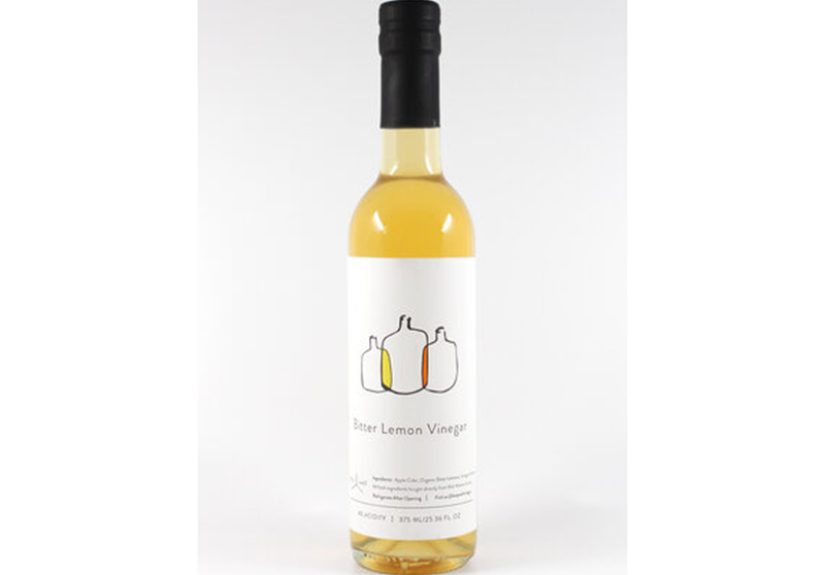
Buying Bitter Lemon Vinegar: What to Look For
If you’d rather buy than brew, search for:
lemon-infused vinegar, citrus vinegar, or drinking vinegar.
Check the label for the vinegar type (distilled, apple cider, white wine) and added sweeteners. If something is labeled “bitter lemon” and lists
quinine, that’s more like a mixer profilefine as a beverage ingredient, but it’s not the same as a culinary infused vinegar.
FAQ
Is bitter lemon vinegar the same as lemon juice mixed with vinegar?
Not exactly. Lemon juice + vinegar is extra sour. Bitter lemon vinegar is about zest oils and aroma, with bitterness controlled by
how much pith infuses.
Do I need to refrigerate it?
If it’s just vinegar + zest and you strained out solids, refrigeration is optional. For best flavor retention, chilling helps.
If you add fresh herbs or fruit pieces, refrigerate.
Can I use Meyer lemons?
YesMeyer lemons are often less sharp and can taste slightly floral. You may get less bitterness and more perfume.
How do I fix a batch that got too bitter?
Blend it: mix with plain vinegar, add a small amount of sweetener, or use it in applications that welcome bitterness (greens, fatty fish, rich meats).
Conclusion: Make It Bright, Keep It Balanced
Bitter lemon vinegar is a small kitchen project with big payoff: it’s vibrant, flexible, and makes everyday food taste intentionally fancy.
The secret is restraintzest over pith, taste as you go, and use it where citrus and acidity do their best work: salads, roasted vegetables,
quick pickles, and sparkling shrubs.
Experiences With Bitter Lemon Vinegar (The Real-World Kind)
I don’t have personal taste buds (tragic, I know), but I can share the kinds of experiences home cooks, bartenders, and “I love a DIY cleaner”
folks commonly report when they start playing with bitter lemon vinegar. Consider this the highlight reelminus the montage music.
The “Why Does My Salad Suddenly Taste Expensive?” Moment
A common first win is salad dressing. People whisk bitter lemon vinegar with olive oil, Dijon, and a pinch of salt, and suddenly the salad stops feeling
like an obligation and starts feeling like a choice. The gentle bitterness is what makes it taste restaurant-ylike the dressing has a point of view.
It’s especially noticeable with bitter greens (arugula, radicchio, endive), where the flavors harmonize instead of fighting.
The “Oops, I Used Too Much Pith” Lesson
Almost everyone over-infuses at least once. It usually happens when someone peels lemons aggressivelytaking half the pith along for the rideand then lets
the jar sit for two weeks without tasting. The result can be sharp and medicinal. The fix most people land on: strain it, dilute with plain vinegar,
and reserve it for bold jobslike cutting through roasted lamb, brightening lentil soup, or mixing into marinades with garlic and honey.
In other words, a “mistake batch” often becomes a “chef batch” once you pair it with richer foods.
The Shrub Discovery: “Wait, Vinegar Belongs in Drinks?”
The shrub crowd tends to fall in love fast. People mix a spoonful of lemon shrub concentrate into sparkling water and describe it as “lemonade for adults”
(usually said with a proud little nod). The bitterness keeps it from tasting like syrupy soda, and the acidity makes it feel incredibly refreshing.
A frequent tip: start smallone tablespoonthen adjust. Shrubs are like perfume: the right amount is charming; too much is… a statement.
The Cleaning Experiment: Great for Grime, Not for Germ Panic
Many people try lemon vinegar as a “natural cleaner” and love it for soap scum and mineral spotsespecially when they let it sit a few minutes before wiping.
The smell is also a big part of the satisfaction: it reads “clean” even if your house is only mostly clean. But the more careful DIYers learn quickly
that cleaning and disinfecting aren’t the same. The most practical experience-based routine becomes: lemon vinegar for everyday grime, and a proper disinfectant
when disinfection actually matters.
The “Signature Ingredient” Phase
After a few wins, people start sneaking bitter lemon vinegar into everything: beans, slaws, pan sauces, roasted vegetables, even a quick splash on avocado toast.
The best results come when they treat it like finishing saltjust enough to brighten and focus flavors. Used thoughtfully, it becomes that quiet “what is that?”
note friends can’t quite identify. And honestly, that’s half the fun: you get to say, casually, “Oh, it’s bitter lemon vinegar,” like that’s a normal Tuesday thing.