Table of Contents >> Show >> Hide
- What Is BiPAP, Exactly?
- How BiPAP Helps in COPD
- When Doctors Recommend BiPAP for COPD
- BiPAP vs. CPAP vs. Oxygen: What’s the Difference?
- Benefits of BiPAP for COPD
- Risks and Side Effects of BiPAP
- Who May Not Be a Good Candidate for BiPAP?
- What to Expect When Starting BiPAP
- How to Get the Most Out of BiPAP
- Questions to Ask Your Healthcare Team About BiPAP
- Real-World Experiences: What BiPAP for COPD Feels Like
- The Bottom Line
If you live with chronic obstructive pulmonary disease (COPD), you probably think about breathing way more than the average person. Every staircase, every hill, even every bad cold becomes a mini logistics problem: “Will my lungs cooperate today?” One tool your care team might suggest is a BiPAP machine. It looks like a small box with a hose and mask, but it can make a big difference in how you feel and how your lungs work.
In this guide, we’ll break down what BiPAP is, how it helps people with COPD, what the research actually says, and where the risks and limitations show up. Think of it as a friendly translation of medical-speak into normal English, with a few gentle jokes to keep things breathable.
What Is BiPAP, Exactly?
BiPAP stands for bilevel positive airway pressure. It’s a type of noninvasive ventilation (often shortened to NIV). “Noninvasive” simply means no tubes down your throat and no surgery; instead, you wear a mask over your nose, or your nose and mouth, while the machine pushes air into your lungs.
What makes BiPAP different from basic oxygen or CPAP (continuous positive airway pressure) is that it provides two different pressure levels:
- IPAP (inspiratory positive airway pressure): a higher pressure when you breathe in, to help get air into your lungs and support your breathing muscles.
- EPAP (expiratory positive airway pressure): a lower pressure when you breathe out, to help keep your airways open and reduce air trapping.
For people with COPD, who often struggle to exhale fully and clear carbon dioxide (CO₂), that combination can be a game changer. BiPAP doesn’t cure COPD, but it can help your lungs do their job with less effort.
How BiPAP Helps in COPD
COPD makes the airways narrow, floppy, and full of extra mucus. Air has trouble getting out, which leads to trapped air and high levels of CO₂. Over time, that can make you feel exhausted, foggy, and short of breath even with small activities.
BiPAP supports your lungs in a few key ways:
- Reduces the work of breathing. The higher pressure during inhalation (IPAP) gives your diaphragm and chest muscles a boost. That means less physical effort to pull air in.
- Improves gas exchange. By helping you move more air in and out, BiPAP can lower CO₂ levels and improve oxygen levels in your blood.
- Prevents airway collapse. The lower pressure during exhalation (EPAP) helps keep the airways from closing too early, which is especially helpful in emphysema.
- Gives your breathing muscles a rest. Using BiPAP, especially at night, can let overloaded muscles recover and work more efficiently during the day.
Think of BiPAP as a power-assist mode for your respiratory system: you’re still doing the breathing, but you’re not doing it alone.
When Doctors Recommend BiPAP for COPD
Not everyone with COPD needs BiPAP. Many people manage well with inhalers, pulmonary rehab, and sometimes oxygen. BiPAP shows up in more specific situations, usually when breathing is becoming harder despite other treatments.
BiPAP During an Acute COPD Exacerbation
One of the most common uses of BiPAP is in the hospital or emergency department during a COPD flare-up (acute exacerbation), especially if:
- You’re very short of breath and breathing fast.
- Your blood tests show high CO₂ and an acidic pH (hypercapnic respiratory failure).
- Oxygen and medications alone aren’t enough to stabilize your breathing.
In this setting, BiPAP can:
- Reduce the need for invasive ventilation (a breathing tube in the windpipe).
- Lower the risk of complications from intubation.
- Shorten hospital stays and reduce the chance of needing ICU-level care.
BiPAP at Home for Chronic, Stable COPD
Some people with advanced, stable COPD and chronically high CO₂ levels may be candidates for home BiPAP, usually used at night. Doctors typically consider this when:
- You’ve had repeated hospitalizations for COPD exacerbations.
- Blood gases show persistent hypercapnia (high CO₂) even after flare-ups are controlled.
- You’re already on optimal inhaler therapy, sometimes with long-term oxygen, but still struggling.
Research suggests that, in carefully selected patients, home BiPAP may reduce hospital readmissions and might improve survival. However, it doesn’t help everyone, and the benefit is strongest when:
- CO₂ is clearly elevated and remains high after an exacerbation.
- Settings are adjusted to significantly lower CO₂ rather than just providing “gentle” support.
- Patients are able to use the device consistently and tolerate the mask for several hours each night.
BiPAP vs. CPAP vs. Oxygen: What’s the Difference?
It’s easy to get lost in the alphabet soup, so here’s a quick comparison:
- Oxygen therapy: Adds extra oxygen to the air you breathe but doesn’t directly help you move air in and out or lower CO₂. Many people with COPD use oxygen without BiPAP.
- CPAP: Provides one steady pressure all the time. It’s great for obstructive sleep apnea, but many COPD patients need more specialized support.
- BiPAP: Provides two pressure levels, which can better support ventilation (moving air in and out) and lower CO₂ in COPD.
A handy way to remember it: oxygen is about what you breathe; BiPAP is about how you breathe.
Benefits of BiPAP for COPD
When BiPAP is used in the right person at the right time, the potential benefits include:
- Better breathing comfort. Many people notice less “air hunger” and less chest tightness.
- Improved gas levels. Lower CO₂ and better oxygenation can boost daytime energy and mental clarity.
- Fewer hospital visits. For some patients with severe COPD and hypercapnia, long-term BiPAP can lower the risk of future hospitalizations and emergency room trips.
- Possible survival benefit. Studies in certain high-risk groups show improved survival with long-term noninvasive ventilation used at home alongside oxygen.
- Better sleep. Nighttime use of BiPAP can reduce nocturnal hypoventilation (underventilation) and improve sleep quality.
These benefits don’t show up overnight. It often takes time to adjust the settings, learn to sleep with the mask, and build the habit of using BiPAP regularly.
Risks and Side Effects of BiPAP
BiPAP is safer than invasive ventilation, but it’s not risk-free or hassle-free. Common issues include:
- Mask discomfort and skin irritation. Pressure from the mask can cause redness, sore spots on the nose or cheeks, or even small skin breakdowns if the fit isn’t adjusted.
- Dry mouth or nasal dryness. Pressurized air can dry out the mouth and nose, especially if you tend to breathe through your mouth while you sleep. Humidifiers can help.
- Stomach bloating (aerophagia). Swallowing air can lead to gas, burping, or abdominal discomfort.
- Sinus or ear pressure. Some people feel fullness in the ears or sinus pressure when pressure is increased.
Less common but more serious risks include:
- Aspiration. If someone vomits while wearing the mask and can’t remove it, there’s a risk of inhaling stomach contents into the lungs.
- Worsening breathing in the wrong situation. BiPAP is not appropriate for people who can’t protect their airway, are very confused, are in cardiac arrest, or have severe facial trauma.
- Infections. Poor cleaning habits for the mask, tubing, or humidifier can increase the risk of respiratory infections, including pneumonia.
Good equipment hygiene matters. Regularly cleaning masks and tubing as instructed by your care team or equipment provider lowers the chance of germs setting up camp in your device.
Who May Not Be a Good Candidate for BiPAP?
BiPAP isn’t ideal or safe for everyone. Your healthcare team may avoid or be very cautious with BiPAP if you:
- Are unable to stay awake enough to cooperate with the mask.
- Cannot protect your airway (for example, very high risk of aspiration).
- Have severe facial injuries or recent facial surgery that prevents a good mask fit.
- Have uncontrolled vomiting or active upper GI bleeding.
- Have extremely unstable blood pressure or life-threatening arrhythmias that need immediate invasive support.
In these situations, invasive ventilation or other approaches may be safer. That’s why BiPAP is always a decision made together with your medical team, not a gadget you buy and experiment with on your own.
What to Expect When Starting BiPAP
Whether you start BiPAP in the hospital or at home, the basic steps are similar:
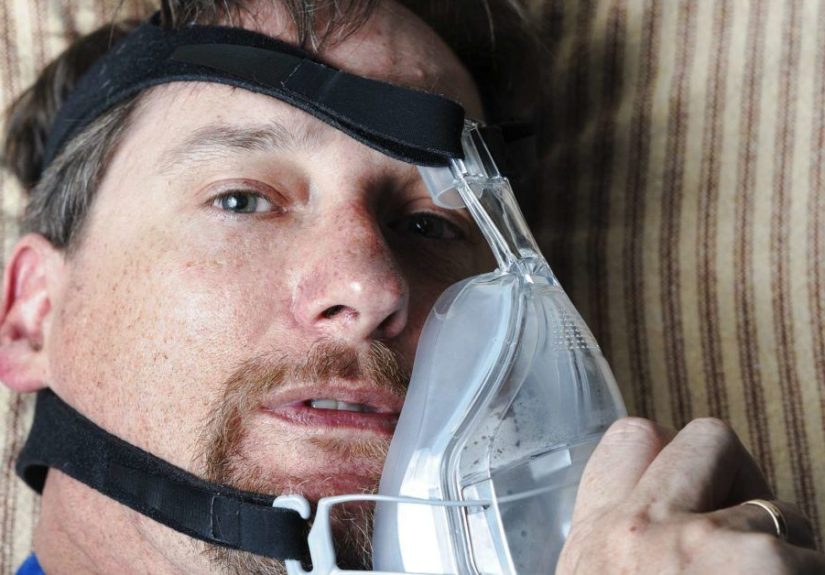
- Mask selection and fitting. You’ll try different mask stylesfull face, nasal mask, or nasal pillowsuntil you find one that balances comfort and effectiveness.
- Initial settings. A clinician sets the IPAP and EPAP based on your breathing pattern, blood gases, and comfort. You may start at lower pressures and gradually increase.
- Adjustment period. The first few nights can feel strange. You might feel like the machine is “breathing for you” or forcing air; that usually improves with practice and fine-tuning.
- Monitoring. In the hospital, staff monitor oxygen saturation, breathing rate, and sometimes blood gases. At home, you’ll likely have follow-up visits and sometimes overnight studies to check effectiveness.
Don’t be discouraged if you hate the mask at first. Many people do. The key is honest feedback to your care team so they can adjust the mask type, straps, or settings to improve comfort.
How to Get the Most Out of BiPAP
A BiPAP machine only helps if you actually use it. (Yes, that sounds obvious, but “mask on the nightstand” is a very common condition.) A few practical tips:
- Start with short practice sessions. Use BiPAP for 30–60 minutes while watching TV or reading to get used to the sensation before trying to sleep with it all night.
- Work closely with your respiratory therapist. Small changes to straps, cushions, or pressure can make a big difference in comfort.
- Use the humidifier if recommended. This can reduce dryness and congestion.
- Follow cleaning instructions. Regularly wash the mask, tubing, and humidifier chamber to reduce infection risk and keep everything working smoothly.
- Track how you feel. Note changes in morning headaches, daytime sleepiness, or breathlessness. Share these with your provider.
Questions to Ask Your Healthcare Team About BiPAP
If BiPAP is on the table, consider asking:
- “What specific goal are we trying to achieve with BiPAPlowering CO₂, preventing hospitalization, improving sleep, or something else?”
- “How will we know if BiPAP is working for me?”
- “How many hours a night should I use it?”
- “What side effects should I call you about right away?”
- “Is this mainly for flare-ups, for everyday use, or both?”
Clear expectations make it easier to stay motivated and notice when BiPAP is truly helping.
Real-World Experiences: What BiPAP for COPD Feels Like
Studies and guidelines are important, but they don’t always capture what it’s like to actually live with a BiPAP machine. In real life, the journey is a mix of trial-and-error, small victories, and a few nights of muttering at your mask.
Some people describe the first BiPAP session as “sticking my face out a car window on the freeway.” The pressure feels weird, your cheeks puff out a little, and your instinct is to pull off the mask. The first night, you might only last 30 minutes before yanking it off and declaring, “Nope.” That’s normal. Adapting to BiPAP is more like learning to wear new shoes than flipping a switch.
Over a week or two, many patients notice subtle changes. Morning headaches ease up, and the foggy, “I woke up tired” feeling starts to lift. Climbing a few steps might still be challenging, but you’re less wiped out afterward. You may realize you’re not waking up as often gasping for air or needing to sit on the edge of the bed to catch your breath.
Caregivers often see changes before the patient does. They might say, “You’re not snoring as loudly,” or “You seem less anxious at night.” For someone who has watched a partner struggle just to breathe, seeing them sleep more peacefully can be a huge emotional relief.
Of course, there are bumps. Straps can leave dents on your cheeks. A leaky mask can blow air into your eyes at 3 a.m. and make you question all your life choices. Sometimes the pressure feels too strong when you’re trying to fall asleep. These hurdles are frustrating, but they’re usually solvable with better mask fitting, different cushion sizes, or adjusting ramp features that gradually increase pressure after you fall asleep.
One common turning point is the first time you notice how you feel without BiPAP after you’ve gotten used to it. Maybe you travel and forget the machine, or you skip a night. The next day, you feel more breathless and tired than you expected. That contrast can make you think, “Okay, this thing is annoyingbut it’s actually helping.”
Emotionally, people report a mix of gratitude and frustration. On one hand, BiPAP is a sign that COPD has reached a more serious stage, and that can be scary. On the other hand, it’s also a toolsomething concrete you can do to help your lungs and reduce the chance of another hospitalization. Many patients say that once they get over the learning curve, BiPAP becomes just another part of their nightly routine, like brushing their teeth or setting out clothes for the next day.
The most successful BiPAP users have a few things in common: a responsive care team, willingness to experiment with masks and settings, and patience with themselves. If you go into it expecting instant perfection, you’ll be disappointed. If you treat it as a new skill you’re learning for the sake of your lungs and your future, the chances of long-term success are much higher.
The Bottom Line
BiPAP is not a magic fix for COPD, but it can be a powerful ally. For the right personespecially someone with significant hypercapnia or frequent COPD exacerbationsit may improve breathing comfort, reduce hospital visits, and, in some cases, extend life.
At the same time, BiPAP comes with practical challenges: mask fit, dryness, noise, and the simple reality of sleeping while a machine blows air at your face. Good education, follow-up, and honest conversations with your care team are essential.
If your doctor suggests BiPAP, consider it an invitation to ask questions, try it out thoughtfully, and see whether it helps you breathe a little easier. Just remember: nothing in this article replaces medical advice. Always work closely with your healthcare team to decide what’s right for your specific situation.