Table of Contents >> Show >> Hide
- Why Short Ribs and Polenta Work So Well Together
- What Kind of Short Ribs Are Best?
- Ingredients for the Best Short Ribs and Polenta
- How to Make Short Ribs and Polenta
- Common Mistakes to Avoid
- Best Variations for Short Ribs and Polenta
- What to Serve with Short Ribs and Polenta
- The Experience of Making Short Ribs and Polenta
- Conclusion
- SEO Tags
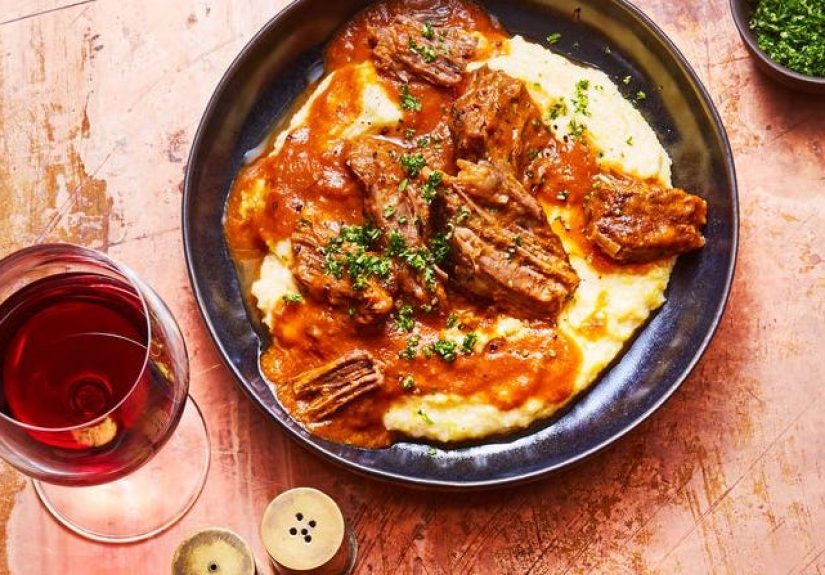
There are cozy dinners, and then there are short ribs and polenta dinners. The first kind says, “I made food.” The second kind says, “I have chosen comfort, flavor, and possibly a second helping before the first plate is even finished.” When braised beef short ribs are cooked until they practically surrender to your fork and served over a bowl of creamy polenta, you get a meal that feels restaurant-level fancy without requiring a culinary degree or a dramatic soundtrack.
The beauty of this dish is contrast. The ribs are rich, meaty, and deeply savory. The polenta is smooth, mild, buttery, and perfectly designed to catch every drop of sauce like the overachiever it is. Together, they turn an inexpensive, tough cut of beef into something luxurious. That is the magic of braising: patience goes in, greatness comes out.
In this guide, you’ll learn exactly how to make the best short ribs and polenta, from choosing the right cut of beef to building a braising liquid with real depth, making creamy polenta that is silky instead of gluey, and avoiding the common mistakes that make home cooks grumble at their Dutch ovens.
Why Short Ribs and Polenta Work So Well Together
If mashed potatoes are the dependable cousin, polenta is the stylish friend who shows up in a soft sweater and somehow makes the whole room look better. Braised short ribs with polenta work because the textures balance each other beautifully. Short ribs are dense, gelatin-rich, and intensely beefy. Polenta is soft, mellow, and just a little sweet from the corn. The sauce bridges the two.
This combination also wins on practicality. Short ribs love long cooking. Polenta is simple and forgiving once you understand the liquid ratio and keep stirring often enough to prevent lumps. The dish can be made for a holiday dinner, a date night, or a random Tuesday when you want to feel like your kitchen deserves applause.
What Kind of Short Ribs Are Best?
Choose English-Cut Short Ribs for the Best Results
If you want the classic look and best braising performance, buy English-cut short ribs. These are cut parallel to the bone, so each piece has a thick block of meat attached to a single bone. They cook evenly, look impressive on the plate, and develop excellent flavor in a low-and-slow braise.
Flanken-style ribs, by contrast, are sliced across the bones into thinner strips. They are wonderful for grilling and marinades, but for this recipe they are not your best bet unless you already know how to adjust cooking time and liquid levels. For most home cooks, English-cut bone-in ribs are the easy winner.
Bone-In vs. Boneless
You can make fantastic beef short ribs with either bone-in or boneless cuts, but bone-in usually gives you the best flavor and presentation. The bones help enrich the braising liquid and make the finished dish feel a little more dramatic in the best possible way. Boneless ribs are easier to portion and shred, so they are still a solid choice if that is what your store has.
Look for ribs with generous marbling and good meat coverage. Avoid pieces that are mostly bone with a sad little flap of beef clinging on for moral support.
Ingredients for the Best Short Ribs and Polenta
For the Short Ribs
- 4 to 5 pounds bone-in English-cut beef short ribs
- Kosher salt and black pepper
- 2 tablespoons neutral oil or olive oil
- 1 large onion, diced
- 2 carrots, diced
- 2 celery stalks, diced
- 4 garlic cloves, smashed or minced
- 2 tablespoons tomato paste
- 2 to 3 cups dry red wine
- 2 to 3 cups beef stock
- 2 to 3 thyme sprigs
- 1 rosemary sprig
- 2 bay leaves
For the Polenta
- 1 cup polenta or coarse yellow cornmeal
- 4 to 5 cups water, stock, milk, or a mix
- 1 teaspoon kosher salt, plus more to taste
- 2 tablespoons butter
- 1/2 to 1 cup grated Parmesan or Pecorino
- Freshly ground black pepper
- A splash of cream or extra butter, optional
You can absolutely customize the flavor profile. Add mushrooms for earthiness, a little balsamic for sweetness, or a pinch of red pepper flakes if you want the sauce to have a tiny bit of swagger.
How to Make Short Ribs and Polenta
Step 1: Season and Sear the Ribs
Pat the short ribs dry with paper towels, then season them generously with salt and pepper. This is not the time to be timid. Beef this rich needs proper seasoning.
Heat oil in a large Dutch oven over medium-high heat. Sear the ribs in batches until they are deeply browned on all sides. Not pale. Not “lightly kissed by heat.” Deep brown. Color equals flavor, and flavor is the whole point here.
Once browned, transfer the ribs to a plate. Pour off excess fat if the pot looks overly greasy.
Step 2: Build the Braising Base
Add the onion, carrots, and celery to the same pot. Cook until softened and lightly browned, about 6 to 8 minutes. Stir in the garlic and tomato paste, and cook for another minute or two until the paste darkens slightly. That step matters because tomato paste tastes sweeter, deeper, and more savory once it gets a little color.
Pour in the red wine and scrape up every browned bit from the bottom of the pot. Those caramelized bits are not mess. They are future bragging rights. Let the wine simmer for a few minutes to reduce slightly.
Step 3: Braise Low and Slow
Return the ribs to the pot. Add enough beef stock to come about two-thirds of the way up the meat. Add thyme, rosemary, and bay leaves. Bring the liquid to a gentle simmer, cover, and transfer the pot to a 325 to 350 degree F oven.
Cook for about 2 1/2 to 3 1/2 hours, depending on the size of the ribs, until the meat is fork-tender. If the ribs are still acting tough, they are not done. Keep cooking. Short ribs do not respond well to impatience.
At the end, the meat should be tender enough to pull apart easily, but not so obliterated that it looks like it lost an argument with a shovel.
Step 4: Skim and Finish the Sauce
When the ribs are done, remove them carefully and keep them warm. Skim excess fat from the braising liquid, then simmer the sauce uncovered until it thickens slightly. Taste and adjust salt and pepper.
If you are making this dish ahead, even better. Chill the ribs in their liquid, then remove the solidified fat from the surface the next day. This is one of the easiest ways to get a richer-tasting sauce that does not feel greasy.
Step 5: Make the Polenta
About 35 minutes before serving, bring your liquid and salt to a gentle boil in a saucepan. Slowly whisk in the polenta in a steady stream. Reduce the heat to low and cook, stirring frequently, until creamy and tender. Depending on your grind, this can take anywhere from 25 to 35 minutes.
If the polenta becomes too thick, add more warm water, milk, or stock a little at a time. The goal is a texture that is soft and spoonable, closer to a thick porridge than a brick. Finish with butter and grated cheese. Taste. Add pepper. Taste again. Pretend you are being professional. Taste one more time.
Step 6: Plate Like You Mean It
Spoon the polenta into shallow bowls. Top with a short rib or two. Ladle the reduced sauce over everything. If you want a little brightness, finish with chopped parsley, lemon zest, or a gremolata. That fresh finish helps cut through the richness and makes the dish feel balanced instead of heavy.
Common Mistakes to Avoid
Not Browning the Meat Enough
A weak sear leads to a weaker braise. Browning adds complexity, and complexity is what separates “good” from “please make this again immediately.”
Using Too Little Salt
Short ribs are rich and need seasoning at every stage. Salt the meat, season the vegetables, and check the sauce at the end.
Cooking the Ribs Too Fast
This is not a speed event. High heat can tighten the meat before the connective tissue has a chance to soften. Gentle oven heat is your friend.
Letting the Polenta Get Too Thick
Polenta firms up quickly as it sits. Keep extra warm liquid nearby so you can loosen it before serving. Nobody dreams of short ribs over corn cement.
Skipping the Acid or Bright Finish
Rich beef plus creamy polenta can be heavy if the dish lacks balance. Wine in the braise helps, and a garnish like parsley or lemon zest wakes everything up.
Best Variations for Short Ribs and Polenta
Red Wine Braised Short Ribs
This is the classic version and probably the best place to start. Cabernet Sauvignon, Zinfandel, Syrah, or another dry, full-bodied red gives the sauce backbone and depth.
Balsamic Short Ribs with Pecorino Polenta
Add a spoonful of balsamic vinegar to the braise or sauce for subtle sweetness and tang. Pair it with sharp Pecorino in the polenta for a bold, savory finish.
Mushroom Short Ribs
If you love earthy flavors, sauté mushrooms and stir them into the finished sauce. Mushrooms and beef get along suspiciously well.
Cheesy Polenta Upgrade
Parmesan is classic, but Gorgonzola or Pecorino can be fantastic if you want more punch. Use them thoughtfully so they complement the short ribs instead of overpowering them.
What to Serve with Short Ribs and Polenta
Honestly, this dish can stand alone. Still, if you want sides, lean toward vegetables or something with bitterness and freshness. A simple arugula salad, roasted green beans, broccolini, or roasted carrots all work well. If the meal starts feeling too heavy, something crisp and bright on the side fixes it quickly.
For leftovers, store the ribs and sauce together and reheat gently on the stove or in the oven. The flavor usually improves by the next day, which is one of the many reasons braised short ribs remain the overachievers of the dinner world.
The Experience of Making Short Ribs and Polenta
Part of the appeal of how to make short ribs and polenta is that the process feels as satisfying as the result. It starts with the sear, when the kitchen suddenly smells like a serious dinner is underway. That first stage is bold and noisy: hot pan, sizzling beef, browned edges, and the kind of aroma that makes people drift into the kitchen asking, “What are you making?” as if they were just passing by and not completely lured there by beef fumes.
Then the dish changes personality. Once the vegetables hit the pot and the wine goes in, everything gets calmer. The braise becomes less about action and more about patience. This is one of those recipes that rewards people who are willing to let the oven do the heavy lifting. During that long cook, the short ribs soften, the liquid deepens, and the whole house starts smelling like a tiny neighborhood bistro opened in your kitchen without charging you for sparkling water.
There is also something wonderfully reassuring about polenta. It does not ask for fancy knife skills or a complicated technique. It asks for attention, a whisk, and a little respect for texture. As it cooks, it transforms from grainy cornmeal into something lush and creamy, and that transformation feels almost theatrical. A splash more liquid, a knob of butter, a handful of cheese, and suddenly you have a side dish that tastes far more luxurious than its humble ingredient list suggests.
Serving short ribs over polenta also creates a very specific kind of dinner-table moment. The meat sinks slightly into the polenta, the sauce spreads across the bowl, and the first bite tells you everything worked. You get tenderness from the beef, richness from the sauce, and softness from the polenta all at once. It is a layered, comforting bite that feels slow and generous in a world that usually wants dinner to be done in 22 minutes or less.
Another great part of the experience is how adaptable it is. Some cooks go rustic and serve the ribs whole with a chunky sauce. Others pull the meat from the bones and fold it back into a glossy reduction for a more polished presentation. Some finish the dish with gremolata for brightness, while others lean into the richness with extra cheese in the polenta. There is room for personality here, which makes the recipe feel less like a strict formula and more like a classic technique you can make your own.
And perhaps the best experience of all is the next day. Short ribs are one of those rare foods that often taste even better after a rest. The flavors settle, the sauce thickens, and reheating them feels like receiving a reward from your past self. That is hard to beat. So yes, best short ribs and polenta may sound like a dinner-party recipe, but it is really something better: a deeply comforting meal that turns a slow afternoon in the kitchen into a seriously memorable plate of food.
Conclusion
If you want a meal that feels both rustic and impressive, short ribs and polenta are hard to top. Start with the right cut, build a deep braising base, cook the ribs low and slow, and keep the polenta loose, creamy, and well-seasoned. Do those things well and you will end up with a dish that tastes like it came from a restaurant but feels even better because it came from your kitchen.
The best part is that this is not flashy cooking. It is thoughtful cooking. It is about technique, patience, and trusting that humble ingredients can turn into something special. And when that spoonful of creamy polenta catches the sauce from a beautifully braised short rib, you will understand exactly why this classic pairing never goes out of style.