Table of Contents >> Show >> Hide
- What a Porch Really Is
- Common Types of Porches
- The Anatomy of a Great Porch
- How to Design a Porch That People Actually Want to Use
- Materials, Color, and Style
- Porch Maintenance: The Unsexy Secret to a Beautiful Porch
- Why Porches Still Matter
- Porch Experiences: What Living With One Really Feels Like
- Conclusion
- SEO Tags
A great porch is a little bit architecture, a little bit hospitality, and a little bit theater. It frames the front door, softens the line between indoors and outdoors, and quietly announces, “Yes, this house has personality.” Sometimes that personality is polished and stately. Sometimes it is two rocking chairs, a sleepy dog, and a fern that has somehow become a full-time resident. Either way, porches matter.
They matter because they do real work. A porch can shelter an entry, make a home look more welcoming, provide shade, create a place to sit, and add living space without pretending to be a full addition. It can also rescue a plain facade from looking like it got dressed in the dark. In practical terms, porches improve comfort, circulation, and curb appeal. In emotional terms, they give a house a heartbeat.
What a Porch Really Is
At its core, a porch is a covered outdoor space attached to a house, usually at the entrance but sometimes wrapping around the side or extending into the back. It can be simple or elaborate, open or screened, narrow as a handshake or broad enough to host dinner for eight. What makes it a porch is not fancy trim or a dramatic swing. It is the combination of attachment, shelter, and use.
Porch vs. Patio vs. Deck
These spaces get lumped together all the time, but they are not identical twins. A patio is generally built at ground level and made of hardscape materials like concrete, brick, or stone. A deck is usually raised and built with wood or composite boards. A porch is attached to the house and typically covered by a roof. If a patio is the extrovert and a deck is the entertainer, a porch is the charming go-between that knows how to greet guests and still keep a little shade overhead.
Porch vs. Portico
A portico is more formal: think columns, a defined entrance, and architectural drama. Every portico is porch-adjacent, but not every porch wants to wear a tuxedo. Many everyday American porches are friendlier and more lived-in, with room for furniture, plants, shoes, muddy boots, and the occasional package mountain.
Common Types of Porches
Front Porch
This is the classic welcome mat of the house. A front porch boosts curb appeal, frames the entry, and creates a visual pause before you walk inside. Even a small one can hold a bench, pair of planters, or a compact seating nook. On larger homes, it can become a true outdoor living room.
Back Porch
A back porch is often more private and more relaxed. It may connect to a kitchen, mudroom, or family room, which makes it perfect for everyday life. This is the porch where coffee happens before anyone has spoken, and where dinner lingers because no one feels like going back inside yet.
Wraparound Porch
Wraparound porches are the show-offs, and honestly, they have earned it. By extending across the front and at least one side of a home, they create movement, shade, and a sense of old-school generosity. They are especially beloved in farmhouse, Victorian, and Southern-inspired architecture because they turn the home itself into an experience.
Screened-In Porch
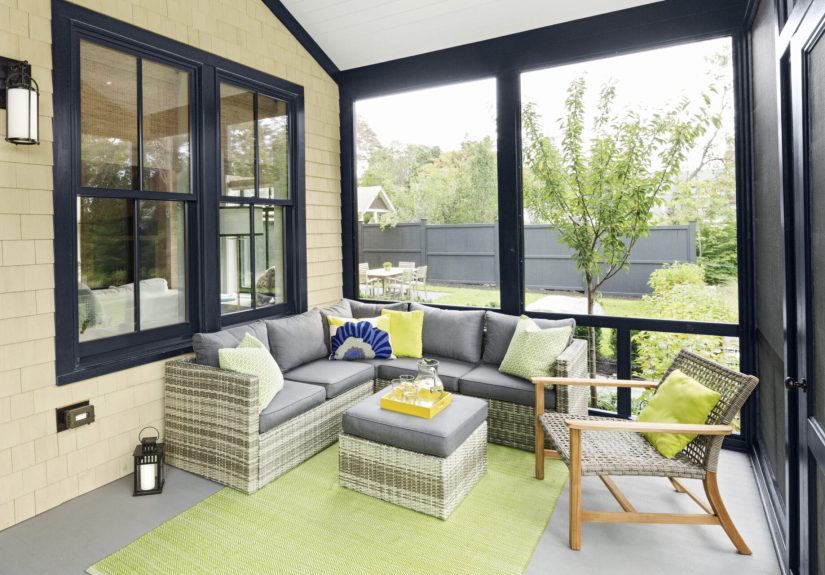
This version is the peace treaty between fresh air and mosquitoes. A screened porch keeps the breezy feel of an outdoor room while blocking bugs, leaves, and some debris. It works beautifully in humid climates and in places where summer evenings are wonderful right up until the insect population clocks in for its shift.
Sleeping Porch
Sleeping porches are less common today, but they remain one of the most romantic porch ideas in American residential design. Traditionally used for rest during warm weather, they offer cross-ventilation, shade, and a slower way of living. Even when not used for actual sleeping, the idea still influences porch design: airy, restful, and just one nap away from greatness.
The Anatomy of a Great Porch
Good porches look effortless, but they succeed because the details are doing their jobs behind the scenes.
Roof and Ceiling
The roof defines the porch more than almost anything else. It provides shelter, sets the proportion, and affects how bright or cozy the space feels. High beadboard ceilings can make a porch feel airy and classic. Lower ceilings can feel intimate if they are not cramped. Fans, recessed lights, or pendant fixtures can make the space usable well past daylight.
Flooring
Porch flooring needs to handle weather, foot traffic, and the occasional attack from muddy shoes, spilled lemonade, or potted plants with commitment issues. Pressure-treated wood, tongue-and-groove boards, composite decking, brick, concrete, and tile all have their place. The best choice depends on climate, budget, maintenance tolerance, and the style of the house. If you hate upkeep, pick materials accordingly. Your future self will thank you with fewer weekends spent sanding.
Columns and Railings
These are not just decorative extras. They shape the architectural language of the porch. Tapered square columns often suit Craftsman homes. Slim, classical columns can work on Colonial or Georgian-inspired facades. Chunkier posts, brick piers, or mixed-material railings can give modern farmhouse and transitional homes more presence. The key is consistency with the rest of the exterior. A porch should look like it belongs to the house, not like it wandered over from another neighborhood.
Steps, Skirting, and Screens
Steps need comfortable proportions and safe surfaces. Skirting can hide the understructure while giving the base of the porch a finished look. Screens, if used, should feel intentional rather than like an afterthought stapled on during mosquito season panic. The more integrated these elements are, the more polished the whole porch feels.
How to Design a Porch That People Actually Want to Use
Start With the Job Description
Before choosing furniture or paint colors, decide what the porch is supposed to do. Is it a greeting zone, a reading corner, a dining spot, a place for family conversations, or a bug-free hangout? A porch designed for passing through will be different from one designed for lingering. This sounds obvious, yet many porches fail because they try to be everything all at once and end up functioning like a decorative hallway.
Scale Matters
A small porch does not need oversized chairs that swallow the doorway. A large porch should not feel abandoned with one tiny mat and a lonely fern trying its best. The furniture, lighting, and planters should match the scale of the architecture. Balanced proportions make even modest porches feel deliberate and stylish.
Use Layers, Not Clutter
The most inviting porches usually rely on a few reliable design moves: seating, a rug, lighting, greenery, and a little color. Outdoor pillows, lanterns, sconces, planters, and seasonal touches can add charm without turning the space into a yard sale with better lighting. If every surface is shouting, the porch stops feeling restful.
Create Comfort
Comfort is what turns a porch from “nice to look at” into “let’s stay out here a while.” That means seating with proper backs, cushions made for outdoor use, adequate shade, and lighting that feels warm instead of harsh. A bench near the front door is practical. A swing is iconic. A side table is underrated. No one wants to balance iced tea on their knee like it is a team-building exercise.
Think About Privacy and Views
Not every porch needs to be fully exposed to the street or the neighbor’s recycling bins. Screens, curtains, lattice, landscaping, tall planters, and strategic furniture placement can soften sightlines and make the space feel more protected. At the same time, a porch should still connect to its surroundings. The best ones feel sheltered, not sealed off.
Materials, Color, and Style
The smartest porch design does not chase every trend. It works with the architecture already present. A bungalow porch can embrace stained wood, earthy colors, and sturdy columns. A coastal porch might lean into white trim, breezy blues, and woven textures. A modern porch may look best with cleaner lines, darker accents, and restrained planting. A farmhouse porch often welcomes mixed textures, black hardware, warm wood, and simple layered seating.
Color should connect the porch to the broader exterior. The front door can serve as a focal point, while rugs, pillows, and pots carry accent colors through the space. Symmetry often helps at the entry, especially with planters or sconces, but asymmetry can work beautifully if the balance still feels intentional.
Plants are nearly always a good idea. They soften edges, add height, and make a porch feel cared for. Matching containers on either side of the door create formality. A cluster of mixed pots feels more relaxed. Herbs, flowering annuals, evergreens, and trailing vines can all earn their keep depending on the season and the amount of sun the porch gets.
Porch Maintenance: The Unsexy Secret to a Beautiful Porch
Here is the truth every good porch eventually teaches: water is the villain. Sun can fade finishes, and dirt can make everything look tired, but water is what rots wood, peels paint, loosens joints, and turns “charming” into “call a contractor.” If you remember one porch-care principle, make it this one.
Keep Water Moving
Gutters, downspouts, flashing, roof lines, and grading all affect porch life. Water should move away from the structure, not pool near posts or splash back onto flooring and trim. If drainage is bad, the prettiest porch in the world is basically just a delayed repair bill.
Inspect the High-Touch Areas
Check railings, steps, handrails, screen panels, fasteners, caulk, and joints regularly. These parts get used, bumped, weathered, and ignored until something wiggles in a way it should not. A simple seasonal inspection can catch problems before they become expensive ones.
Clean and Refinish as Needed
Sweep debris, wash surfaces, clean cushions, and refresh finishes according to the material. Wood may need sealing or repainting. Composite needs less fuss but still benefits from cleaning. Metal hardware should be checked for rust or wear. Outdoor fabrics last longer when they are not left to collect pollen, mildew, and last November’s leaf confetti.
Why Porches Still Matter
Porches endure because they serve both architecture and life. They improve a home’s first impression, create useful outdoor living space, and invite a slower relationship with the day. A porch gives you somewhere to wave to a neighbor, wait out a summer storm, sort through thoughts, or sit with people you like enough not to need an agenda.
In an age when homes often feel either sealed tight or endlessly open, the porch offers a middle ground. It is neither fully inside nor fully out. It is shelter with exposure, comfort with air, design with purpose. That in-between quality is exactly what makes it so appealing.
If the kitchen is the soul of the house, the porch is often the smile. And a good smile, architecturally speaking, goes a very long way.
Porch Experiences: What Living With One Really Feels Like
Ask people what they remember about a great porch, and they rarely start with dimensions or materials. They talk about moments. They remember hearing rain hit the roof while staying completely dry. They remember the creak of floorboards under a grandparent’s rocking chair, the smell of cut grass drifting through a screen door, and the way late sunlight made everything look softer than it really was. A porch becomes meaningful because it gathers ordinary moments and gives them a place to land.
Morning is one of the porch’s best personalities. On a good front porch, the day begins a little slower. Coffee tastes better outside, even when it is exactly the same coffee and exactly the same mug. The world feels less demanding from a porch chair. Delivery trucks, dog walkers, and neighbors all become part of the scenery instead of interruptions. You are not fully hidden, but you are not completely on display either. It is a soft start, and homes do not offer enough soft starts anymore.
Afternoons are different. A porch can become a transition zone between work and home life, or between one family activity and the next. Kids dump backpacks there. Shoes collect like evidence of a busy day. Someone waters the pots. Someone else sits down “for just a minute” and accidentally stays for half an hour. In that sense, porches are wonderfully forgiving spaces. They can be tidy and styled, yes, but they also tolerate real life. They know people are coming and going, and they do not seem offended by it.
Then there is evening, when porches become magical with almost embarrassing ease. A lamp clicks on. A ceiling fan hums. The air cools down just enough to make staying outside feel like a reward. Conversations stretch longer on a porch because there is less pressure there. Nobody is hovering over a kitchen counter. Nobody is glued to a television. A porch gives people a comfortable reason to pause. Even silence feels more companionable there.
Seasonal changes hit differently on a porch too. Spring means pots, pollen, and optimism. Summer means iced drinks, humming insects, and cushions that are suddenly everyone’s favorite spot. Fall belongs to layers, lanterns, and the smug satisfaction of finally using that plaid throw. Winter on a porch can be stark or beautiful depending on your climate, but even then, the porch still serves as a threshold with character. It says the house is awake and paying attention.
That may be the best thing about porches: they make homes feel inhabited in the most generous way. Not just decorated. Not just maintained. Lived in. A porch suggests that someone here values arrival, conversation, rest, and the little rituals of daily life. It turns the outside of a home into part of the experience of living there. And that is why people love porches so fiercely. They are not just structures. They are stages for small, repeatable joys.
Conclusion
All about porches, really, is all about how homes welcome people. A porch can be formal or relaxed, front-facing or tucked away, open-air or screened, compact or sprawling. But the best porches share the same strengths: they fit the house, serve a real purpose, use durable materials, and make everyday life feel a little more gracious. Build one well, maintain it carefully, and style it with restraint, and it will reward you with comfort, character, and curb appeal for years. Not bad for a structure whose main job is technically just hanging around outside.