Table of Contents >> Show >> Hide
- Why “Plain English” works so well in a brownstone
- The space-gaining bay window: a small bump-out with big consequences
- Flipping the script: rethinking the brownstone kitchen-dining relationship
- Keeping history on stage: the hearth-style range in the original fireplace
- Materials that whisper “old house” but behave like “real life”
- Storage that’s not just “more,” but smarter
- Light, views, and the psychological effect of a garden-facing window
- What to know before you bump out a brownstone wall
- Experience Add-On: of “Living With It” Wisdom
- Conclusion
Brooklyn brownstones have a special talent: they look generous from the sidewalk, then hand you a kitchen that’s roughly the shape of a subway car.
Long, narrow, and full of “character” (the real-estate word for “why is the fridge in the hallway?”), these historic homes can make even the most
confident cook feel like they’re prepping dinner in a coat closet.
That’s why this renovation is so satisfying. It’s not a kitchen that screams NEW! with glossy finishes and gadgets that require a software update.
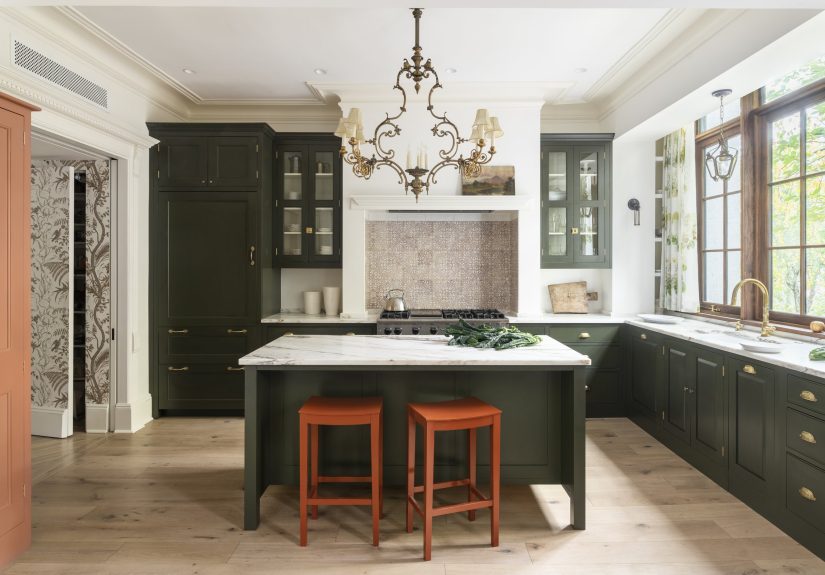
Instead, it aims for something trickier: a room that feels like it has always belonged in an 1880s-era brownstonewhile quietly doing modern life
(three kids, big meals, lots of storage, and the occasional “where is the lunchbox” panic).
The hero move? A cantilevered bay windowan oriel-style bump-outthat steals a little space from outdoors and gives it back to the cook.
The result is a kitchen that looks calmly traditional, but functions like a strategic masterpiece.
Why “Plain English” works so well in a brownstone
The phrase “Plain English kitchen” sounds like it should come with a cup of tea and a polite apology for existing. In reality, it’s a design approach
that leans into proportion, craft, and restraint. It’s cabinetry that doesn’t beg for attentionbecause it assumes you’ll be too busy living your life.
That attitude pairs beautifully with brownstones. These homes already bring the drama: high ceilings, ornate plasterwork, deep moldings, and the kind of
old-house geometry that makes every wall slightly… philosophical. A kitchen that tries to out-shout the architecture usually loses. A kitchen that respects
the building’s rhythm tends to look like it belongs.
The “new-old” sweet spot
The goal isn’t to recreate a museum period room. It’s to build something that reads as historically sympathetic: classic door profiles, honest materials,
and details that feel earned. When done right, guests can’t quite tell what’s original and what’s newand that’s the compliment.
The space-gaining bay window: a small bump-out with big consequences
In tight kitchens, a few inches can be the difference between “this island is brilliant” and “why are we bruised.” The bay window addition here isn’t just
a pretty viewpoint; it’s a functional wedge that makes the layout finally click. By pushing the wall outward at the back of the kitchen, the renovation
creates enough breathing room for an island that people can actually move aroundwithout doing the sideways crab-walk.
Bay window vs. oriel window: what’s the difference?
A bay window typically projects outward and is often supported down to the ground. An oriel window is a bay-like projection that’s supported by brackets
or a cantilever, rather than running to the foundationthink “floating bump-out.” In brownstones, that distinction matters because you’re often working at
the rear of a landmarked building, where structure, sightlines, and approvals are part of the conversation.
Practically speaking, the bay/oriel idea does three things at once: it increases usable floor area, pulls in more daylight from the garden side, and creates
a natural “destination” at the end of the rooma place your eyes land when you walk in.
Why the math matters: island clearances and real movement
Kitchens don’t just need space; they need clearance. Designers often reference aisle widths so doors can open and two people can pass without a
negotiation. When a bump-out makes room for proper circulation, the kitchen becomes friendlier instantlyespecially in a family home where someone is always
trying to open the dishwasher at the exact moment another person decides to pivot with a sheet pan.
Flipping the script: rethinking the brownstone kitchen-dining relationship
Brownstones commonly have a sequence of rooms on the parlor level: dining room, kitchen, and a narrower “galley” situation that tends to accumulate coffee
makers and existential dread. One smart strategy is to swap functionsmove the working kitchen into the room that can handle it, then shift dining into the
space that doesn’t need as many cabinets and appliances.
This approach can solve multiple problems at once: better storage where you need it, a dining area that feels relaxed rather than squeezed between counters,
and a more open flow that makes the whole floor feel larger. The trick is ensuring the transition between kitchen and dining doesn’t feel like two unrelated
rooms awkwardly sharing custody of the same wall.
The quiet power of “almost open plan”
You don’t have to demolish everything to get ease. Sometimes widening an opening or reducing a bulky partition gives you the best of both worlds: a kitchen
that still feels like a room (warm, grounded, not echo-y), and a dining area that stays connected to the action.
Keeping history on stage: the hearth-style range in the original fireplace
In a historic brownstone, fireplaces can be sacred territory. But they also occupy prime real estate, often right where a range wants to live. The bold choice
here is to integrate a substantial range into the existing fireplace zonethen make it feel intentional by leaning into a “hearth” composition rather than
pretending nothing happened.
The hearth look works because it’s emotionally familiar: cooking as the warm center of the home. It also helps a large appliance look grounded, as if it has
always been part of the architecture. Add a patterned backsplash with period energylike Victorian-style tileand suddenly the range feels less like a stainless
monolith and more like a well-dressed guest who brought a great bottle of wine.
Ventilation: the unglamorous plot twist
When you put a range where a fireplace once worked, ventilation can get complicated fast. Routing a hood through an existing chimney path can be a clever
solution, but it’s rarely simple. This is where “historic charm” meets “mechanical reality,” and your team earns their paycheck.
Materials that whisper “old house” but behave like “real life”
A successful brownstone kitchen doesn’t just look rightit holds up to Tuesday night. The material palette here leans classic without going precious:
painted cabinetry, honed stone, warm wood tones, and floors that can survive high traffic without demanding constant apology.
Cabinet color with personality (not a personality disorder)
A muted, historical-leaning green can read timeless and calmespecially when balanced with light stone and warm metals. A pale, sunny cabinet interior is the
kind of detail you don’t notice until you do, and then you wonder why every cabinet isn’t quietly cheering you on when you reach for a mug.
Stone surfaces that feel lived-in
Honed marble has that soft, tactile look people associate with old European kitchens and serious bakers. It also has a reputation: it can etch, it can mark,
and it will not pretend to be granite. But that’s part of the dealpatina as a feature, not a flaw. If your household treats the kitchen as a workshop,
honed surfaces can feel honest and forgiving in the long run.
Storage that’s not just “more,” but smarter
In family kitchens, storage isn’t a luxuryit’s how you keep the room from becoming a countertop museum of cereal boxes and half-finished science projects.
The best storage plans are less about cramming in cabinets and more about giving every category a home: food, dishes, small appliances, recycling, paper goods,
school stuff, the giant mixing bowl you only use twice a year but refuse to get rid of.
The larder/pantry advantage
A dedicated larder cabinet or pantry zone is a game-changer because it holds the chaos behind doors. It’s also a very “brownstone” move: these homes love
closets and nooks, and a converted closet can become a second pantry that’s both practical and funespecially if you let yourself add a pattern or a surprise
finish somewhere you’ll enjoy daily.
Islands that multitask without bullying the room
A well-planned island can store a microwave, hide bins, offer prep space, and still leave room for stools. The secret is refusing to oversize it. In a narrow
room, an island should feel like a helpful coworker, not a bouncer.
Light, views, and the psychological effect of a garden-facing window
Kitchens are where people drift, even if they swear they’re “not hungry.” Natural light makes that drift feel good. A garden-facing bay window does more than
brighten the countertop; it pulls the outdoors into the room, which can make a brownstone feel less like a stack of rooms and more like a home connected to
the season.
The bay window also becomes an instant lifestyle feature. Morning coffee tastes better there. Homework happens there. Someone will sit there with a snack and
declare it “their spot,” and you’ll be happy about it.
Bonus: the bay window as a layout “excuse”
In design, you sometimes need a reason for a decision to look inevitable. A bay window provides that reason. Once it exists, the island placement, lighting
alignment, and even the choice of fixtures can organize themselves around it. It’s a structural move that creates aesthetic order.
What to know before you bump out a brownstone wall
Rear-yard changes in New York City can involve multiple layers: zoning, building code, structural engineering, neighbor considerations, andif the home is
landmarkedLandmarks Preservation Commission review. The good news is that rear work is often less visible from the street, which can sometimes simplify the
approval conversation. The less-good news is that every building has its own constraints, and “simple” projects have a talent for becoming “educational.”
Design like a grown-up: start with constraints
- Confirm what’s allowed in terms of projection, decks, and rear additions before you fall in love with a sketch.
- Work with the existing architecture so new openings and details look like they belong.
- Plan circulation earlyclearances, appliance swings, and the real path people take through the room.
- Invest in the boring stuff: ventilation, lighting layers, and durable finishes where hands and spills actually happen.
If you’re doing a bay window specifically to gain functional interior area, be honest about what that area will buy you. Sometimes it’s an island. Sometimes
it’s a banquette that changes how the family uses the room. Sometimes it’s simply the ability to open the dishwasher without trapping someone against the counter
like a polite hostage.
Experience Add-On: of “Living With It” Wisdom
If you’ve never lived with a brownstone kitchen, here’s the vibe: it’s the most used room in the house, but it’s also the room most likely to feel like it
was designed by someone who never carried groceries. So when a renovation gets the “experience” right, you notice it immediatelynot because it looks fancy,
but because your shoulders unclench.
The first thing people feel in a space-gaining bay-window kitchen is the difference between standing and moving. Standing is easy; moving is
where a lot of old kitchens fail. In the old setup, someone is always in the way: a kid hovering, a partner trying to help, a dog auditioning for a role as
“trip hazard.” With better clearances, the kitchen becomes a place where two or three people can participate without turning dinner into a choreography rehearsal.
Then there’s the daylight effect. A garden-facing bay window doesn’t just brighten the room; it changes the mood. Morning prep feels less like “task lighting
and survival,” and more like a small ritual. You start noticing weather againrain tapping the glass, late-afternoon sun sliding across the floor. In winter,
the bay window can make the room feel less cave-like. In summer, it turns the back of the house into the spot everyone gravitates toward, even if they claim
they’re “just grabbing water.”
The window also becomes a social magnet. People lean there. Kids perch there. Someone inevitably sits near it while you cook and provides commentaryhelpful or
otherwise. That sounds minor until you realize it changes the kitchen’s social geometry. Instead of clustering around the cook’s elbows, people naturally spread
out: one person at the island, one at the bay window, one drifting between pantry and table. The room feels bigger because it’s used better.
Daily life gets smoother in sneaky ways. A larder cabinet means the cereal boxes vanish when you want the room to look calm. Extra shelves near the window mean
mugs and kid cups don’t have to compete with pots. If your fridge is disguised behind cabinetry, the room reads less like an appliance showroom and more like a
lived-in homeone where you can leave a loaf of bread out without it looking like a crime scene.
And yes, you do learn a few things the first month. Marble will remind you that lemon juice is powerful. Painted cabinets will teach you where hands naturally
land (hint: the spots you never considered). The island becomes the default landing zone for everythingmail, backpacks, snack bowlsso you’ll either design a
drop zone intentionally, or you’ll watch clutter appear like it’s being delivered by drone.
The best part of this kind of renovation is that it doesn’t ask you to live differently. It supports how you already livecooking a lot, gathering a lot,
storing a lotwhile making the room feel like it’s always belonged to the building. It’s the rare upgrade that feels less like “we renovated” and more like
“the house finally makes sense.”