Table of Contents >> Show >> Hide
- Why Cucumber Beetles Are Such a Big Problem
- 1. Use Floating Row Covers Early, Then Remove Them at Bloom
- 2. Scout Constantly and Handpick the First Wave
- 3. Delay Planting When Beetle Pressure Is Always Heavy
- 4. Plant a Trap Crop and Let the Beetles Fall for It
- 5. Dust or Spray Kaolin Clay Before Damage Gets Serious
- 6. Mulch Smarter With Straw or Reflective Mulch
- 7. Rotate Crops and Clean Up Garden Debris Like You Mean It
- 8. Keep Weeds Down and Make the Area Less Cozy for Beetles
- 9. Use Targeted Insecticides Only When You Really Need Them
- The Real Secret: Layer Your Defenses
- What Gardeners Learn After a Few Beetle Battles
- Conclusion
If you grow cucumbers, melons, squash, or pumpkins, you already know the truth: cucumber beetles are tiny, flashy, and way too confident for bugs the size of a pencil eraser. They show up early, chew holes in leaves, scar fruit, bother seedlings, and, worst of all, can spread bacterial wilt. In other words, they do not come in peace.
The good news is that smart gardeners do not fight cucumber beetles with one random spray and a prayer. They use a layered strategy. They block beetles early, make the garden less inviting, lure pests away from prized plants, and only reach for sprays when they really need to. That is how you stop a bad beetle year from turning your cucumber patch into a horror movie.
Below are nine genius ways gardeners get rid of cucumber beetles for good, or at least make them regret moving into the neighborhood. These methods are rooted in real gardening practice, work well together, and can be used in home gardens without turning your backyard into a chemistry lab.
Why Cucumber Beetles Are Such a Big Problem
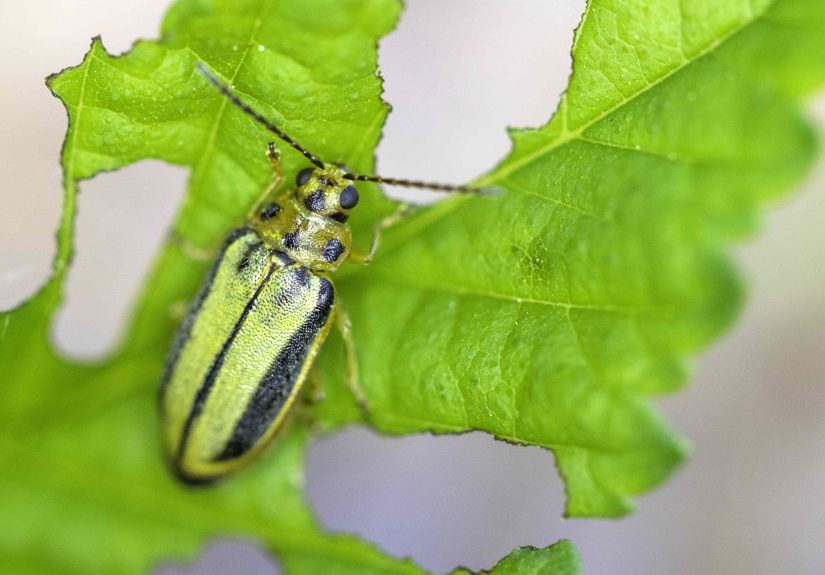
Cucumber beetles attack plants in the cucurbit family, including cucumbers, zucchini, squash, pumpkins, gourds, and melons. The two types gardeners hear about most often are striped cucumber beetles and spotted cucumber beetles. Both adults feed on leaves, flowers, and fruit. Seedlings are especially vulnerable because a little feeding damage goes a long way when the plant is only a few inches tall.
But simple chewing damage is only half the problem. Cucumber beetles can also spread bacterial wilt, a disease that causes vines to collapse fast. One day your plant looks a little moody. The next day it looks like it got dumped by summer. Once bacterial wilt takes hold, that plant is usually done for. That is why experienced gardeners focus hard on early prevention instead of waiting until the beetles have already moved in, unpacked, and started redecorating.
1. Use Floating Row Covers Early, Then Remove Them at Bloom
This is one of the smartest moves in the whole playbook. Floating row covers act like a physical shield, keeping cucumber beetles from landing on young plants in the first place. And when it comes to cucumber beetles, denying entry is a lot easier than eviction.
Why it works
The most dangerous feeding often happens early, when seedlings and transplants are tender. Row covers protect plants during that high-risk stage and can also help plants grow faster by buffering wind and keeping conditions a bit warmer.
How to do it right
Cover your plants immediately after sowing or transplanting. Secure the edges tightly so beetles cannot sneak in through gaps. Use hoops if needed so the fabric does not rub the foliage. The key timing detail is this: remove the covers when flowers appear. Cucumbers, squash, melons, and pumpkins need pollinators, and bees cannot do their jobs through fabric. No bees, no fruit. Nature loves a technicality.
2. Scout Constantly and Handpick the First Wave
Gardeners who stay ahead of cucumber beetles usually do one thing very well: they notice them early. A quick morning check can save you from a full-blown infestation later.
What to look for
Check the undersides of leaves, stems near the base, flowers, and fresh feeding scars. You are looking for adult beetles, ragged holes, and seedling damage. If you only have a few plants, handpicking can make a real dent in the population.
Best hand-removal trick
Hold a cup or bucket of soapy water under the plant and tap or shake the leaves. Cucumber beetles are dramatic, and many will drop when disturbed. Let them fall straight into the soapy water. Some gardeners also use a small handheld vacuum just for insect patrol. It feels ridiculous until it works, and then it feels brilliant.
This method is not glamorous, but it is fast, cheap, and surprisingly effective in small gardens. Most importantly, it helps you catch trouble before beetles start multiplying and spreading disease.
3. Delay Planting When Beetle Pressure Is Always Heavy
If cucumber beetles show up in your garden like clockwork every spring, changing your planting schedule can help. In many areas, the earliest cucurbits get hit the hardest because beetles emerge hungry and ready to party.
Why timing matters
When gardeners plant a bit later, they may avoid the worst early flush of beetle activity. That gives young plants a better chance to establish without getting chewed down to little green question marks.
When this strategy makes sense
This works best if your season is long enough to support a slightly later crop. It is especially useful when you know your garden has a history of cucumber beetle damage and early seedlings rarely survive without help. You do not need to wait forever. Even a moderate delay can reduce pressure.
Think of it as refusing to arrive at the same time as the uninvited guests.
4. Plant a Trap Crop and Let the Beetles Fall for It
Trap cropping sounds advanced, but the idea is beautifully simple: plant something cucumber beetles love even more than your main crop, then manage the beetles there before they move on.
A classic trap crop choice
Blue Hubbard squash is a favorite because cucumber beetles find it especially attractive. Gardeners often plant it a week or two before their main cucurbit crop or place it along the border of the planting.
The catch
A trap crop is not magic unless you manage it. If you just plant it and walk away, you have not created a trap. You have created a beetle resort. Once the pests gather on the trap crop, remove them by hand or treat that specific area if needed. The goal is to concentrate beetles where you can control them without spraying the whole garden.
This is one of the smartest ways to protect cucumbers, melons, and squash while keeping your effort focused where it matters most.
5. Dust or Spray Kaolin Clay Before Damage Gets Serious
Kaolin clay is one of the most talked-about tools for cucumber beetle management, especially among gardeners who want a lower-impact option. It does not kill beetles. What it does is make plants less appealing to feed on.
What it does well
Kaolin clay creates a particle film on the plant surface that helps deter feeding. It is most useful early, before beetles build up and before leaves are riddled with holes. This is a prevention tool, not a cleanup crew.
How to use it wisely
Apply it evenly according to the product label, and expect to reapply after rain or heavy growth. Because it works as a deterrent, consistency matters. If you wait until beetles are everywhere, kaolin clay will feel like showing up to a house fire with a spray bottle.
Still, used early and combined with row covers, scouting, and sanitation, it can be part of a very effective defense.
6. Mulch Smarter With Straw or Reflective Mulch
Mulch does more than hold moisture and suppress weeds. With cucumber beetles, the right mulch can also interfere with pest movement and make the environment less favorable.
Straw mulch
A thick layer of clean straw around established plants can help reduce beetle activity. It may slow beetle movement and create habitat for ground-dwelling predators like spiders and ground beetles. In plain English, straw can help recruit tiny garden bouncers.
Reflective mulch
Reflective or aluminum-coated mulch can make plants less attractive to certain pests, including cucumber beetles, during early growth. It also reduces exposed moist soil around fruit, which can matter later in the season.
Use clean material and avoid anything that introduces weed seeds. Mulch will not solve the problem on its own, but it supports a broader strategy and gives your plants one more edge.
7. Rotate Crops and Clean Up Garden Debris Like You Mean It
If you plant cucumbers in the same spot year after year and leave vine debris lying around in fall, cucumber beetles will treat your garden like a return reservation.
Why sanitation matters
Adults can survive in protected places and remain associated with old cucurbit areas and debris. Cleaning up spent vines, fallen fruit, and leftover plant matter reduces shelter and helps lower next season’s pest pressure.
Rotation matters too
Move cucumbers and other cucurbits to a new spot each year when possible. Crop rotation is not a miracle cure, especially in small gardens, but it can reduce how quickly beetles find the new planting. It also helps interrupt the life cycle and lowers the chance that your plants will face the same problem in the exact same place every season.
This is one of those methods that feels boring right up until you realize boring works.
8. Keep Weeds Down and Make the Area Less Cozy for Beetles
Messy edges, weeds, and neglected garden zones can contribute to pest pressure. While cucumber beetles are coming for the cucurbits, an overgrown area nearby does them plenty of favors.
Simple ways to reduce hiding spots
Keep weeds under control in and around the bed. Remove old plant material promptly. Avoid letting dense vegetation crowd the base of your cucurbits. Space plants well enough for airflow and easy inspection. The easier it is for you to see stems, leaves, and flowers, the easier it is to spot trouble early.
Good garden hygiene will never win a popularity contest on social media, but it quietly solves a lot of problems before they become public.
9. Use Targeted Insecticides Only When You Really Need Them
Sometimes cucumber beetles still break through. When that happens, a carefully chosen product can help, but this should be the backup plan, not the entire plan. Overusing broad-spectrum sprays can harm beneficial insects and pollinators, which only makes the garden less balanced over time.
What gardeners usually consider
Home gardeners often look for products labeled for edible crops and specifically for cucumber beetles or cucurbits. Depending on the product and gardening approach, options may include pyrethrin, neem or azadirachtin products, spinosad, kaolin clay, or conventional insecticides labeled for the crop. The best product depends on the plant, the pest stage, and your local rules.
Pollinator safety matters
Never spray blooming plants during peak bee activity. If treatment is necessary, apply late in the day or evening, follow the label exactly, and target the problem instead of blanket-spraying the whole garden. If the beetles are mostly on a trap crop or just a few plants, treat only those areas.
The smartest gardeners are not anti-spray or spray-happy. They are selective. They know that the goal is control, not collateral damage.
The Real Secret: Layer Your Defenses
If you take one thing from this article, let it be this: cucumber beetles are easiest to manage when you combine methods. Row covers buy you time. Scouting catches the first invaders. Trap crops concentrate beetles. Kaolin clay discourages feeding. Mulch and sanitation reduce pressure. Careful sprays help only when truly necessary.
That layered approach is what separates gardeners who shrug off cucumber beetles from gardeners who spend July shouting at insects in flip-flops. And while shouting may feel therapeutic, it has not yet been confirmed as an approved control method.
What Gardeners Learn After a Few Beetle Battles
Ask ten gardeners about cucumber beetles and you will get ten variations of the same story. It usually begins with optimism. The seedlings look great. The weather finally cooperates. Someone says, “This is the year my cucumbers go wild.” Then one morning, tiny yellow-and-black beetles appear like they were tipped out of a clown car, and the whole mood changes.
Most experienced gardeners will tell you their first mistake was underestimating how fast cucumber beetles work. A couple of beetles do not look like a crisis. Then the leaves get that unmistakable shot-up appearance, the seedlings stall, and suddenly the plants seem permanently annoyed. Many people assume the damage is only cosmetic at first, but after one season with bacterial wilt, they learn to take those early visitors very seriously.
A common experience is realizing that prevention feels almost too simple compared with the size of the problem. Gardeners who finally get ahead of cucumber beetles usually do not discover one magical trick. Instead, they start doing several small, boring, effective things at once. They keep row covers ready before planting day. They walk the garden in the morning with a cup of soapy water. They stop leaving old vines in place until winter. They quit planting cucumbers in the exact same spot like the beetles will somehow not notice.
Another thing gardeners learn is that timing matters more than force. You do not need the loudest product or the fanciest gadget if you act early. A light beetle population on a young planting is manageable. A heavy population on stressed plants is a mess. That is why so many seasoned growers sound like broken records about scouting. They have learned that five minutes today can save five weekends later.
There is also a practical emotional lesson in all of this: cucumber beetles are annoying, but they are not unbeatable. Gardeners who succeed long term tend to get less reactive and more methodical. They stop treating every pest sighting like a personal insult from the universe. They start thinking in systems. If beetles show up early every year, they adjust planting dates. If the cucumber bed is always hardest hit, they add a trap crop. If bees are active, they wait to spray. The garden becomes less about panic and more about pattern recognition.
And then there is the part nobody mentions enough: experience makes you calmer. The first year, you stare at every hole in every leaf. By year three, you know the difference between damage a plant can outgrow and damage that needs immediate action. You know a healthy squash plant can tolerate some nibbling, but a tiny cucumber seedling might need protection right away. That kind of judgment only comes from paying attention and learning from a few ugly afternoons.
So if cucumber beetles have humbled you before, welcome to the club. Plenty of good gardeners have been there. The ones who beat them are not lucky. They are observant, stubborn, and willing to combine simple tactics until the pressure drops. In gardening, that counts as genius.
Conclusion
Getting rid of cucumber beetles for good is rarely about one dramatic move. It is about stacking smart habits: cover plants early, scout often, trap the beetles, clean up the garden, and use sprays carefully if you must. Once you approach cucumber beetle control like a system instead of a single fix, the odds swing back in your favor. Your cucumbers, squash, and melons get to grow in peace, and you get to stop treating every striped insect like a tiny villain in a garden crime documentary.
Note: This article is for general gardening education and is based on real U.S. horticulture guidance. If you use any pest-control product, always read the label, confirm it is approved for your crop, and protect pollinators by avoiding bloom-time spraying whenever possible.