Table of Contents >> Show >> Hide
- Before You Roast: Quick Pork Success Rules
- 1) Spinach–Prosciutto–Mozzarella Stuffed Pork Tenderloin with Lemon Pan Sauce
- 2) Porchetta-Style Herb & Fennel Rolled Pork (Shoulder or Belly/Loin) with Crackly Edges
- 3) Citrus-Garlic Mojo Roast Pork Shoulder with Pan Juices “Gravy”
- 4) Dijon-Herb Crusted Pork Loin Roast with Apple Cider Pan Sauce
- 5) Cranberry-Orange Glazed Pork Loin with Rosemary-Mustard Rub
- 6) Gochujang-Ginger Roasted Pork Shoulder with Sticky, Spicy-Sweet Glaze
- 7) Apple Cider–Mustard Glazed Pork Roast with Roasted Apples and Onions
- 8) Coffee-Chili Rubbed Pork Roast with Smoky Pan Drippings Sauce
- Extra Experiences: The Real-Life Lessons That Make Pork Roasts Better (About )
- Conclusion
Pork roast is the dinner-party MVP that also shows up for Tuesday night like it pays rent. The trick isn’t “cook pork.”
The trick is flavor strategy: a punchy rub for the outside, a juicy filling for the middle, and a sauce that tastes
like you meant to do all of this on purpose.
This guide brings you eight pork roast recipes built around big payoffsherby porchetta vibes, tangy mojo, sweet-tart cranberry
glazes, spicy gochujang, and a couple of stuffed roasts that slice like a magazine cover. You’ll also get practical roasting
tips so your pork stays tender (and your smoke alarm stays quiet).
Before You Roast: Quick Pork Success Rules
- Pick the right cut: Tenderloin cooks fast and loves fillings. Loin roast is leanpair with glazes or pan sauces. Shoulder is forgiving and thrives with bold marinades and slow roasting.
- Dry the surface: Pat pork dry before rubbing. A dry surface browns better and helps rubs stick.
- Use a thermometer: Roast until it reaches a safe internal temperature, then rest before slicing. (Resting keeps juices in the meat instead of on your cutting board.)
- Flavor in layers: Season inside (filling), outside (rub), and finish with a sauce. One-note pork is fine. Three-note pork is memorable.
1) Spinach–Prosciutto–Mozzarella Stuffed Pork Tenderloin with Lemon Pan Sauce
If pork tenderloin had a “wearing a tux” setting, this is it. Salty prosciutto, melty mozzarella, and garlicky spinach turn a
lean cut into something that tastes expensiveeven if you’re serving it with mashed potatoes you made while answering emails.
Flavor plan
- Filling: Sautéed spinach + garlic + prosciutto + mozzarella
- Outside: Black pepper, smoked paprika, and a little fennel seed (optional but very “chef-y”)
- Sauce: Quick lemon-wine pan sauce (or lemony chicken broth if you’re skipping wine)
How to make it
- Butterfly the tenderloin (slice lengthwise, open like a book), then gently flatten with a rolling pin.
- Spread the spinach mixture, layer prosciutto, scatter mozzarella, roll tightly, and tie with kitchen twine.
- Sear in a hot skillet until browned, then finish in the oven until done.
- Deglaze the pan with a splash of wine or broth, add lemon juice, and whisk in a knob of butter for gloss.
Serving idea: Roast asparagus or broccolini on the same sheet pan and spoon that lemon sauce over everything like a finishing move.
2) Porchetta-Style Herb & Fennel Rolled Pork (Shoulder or Belly/Loin) with Crackly Edges
Porchetta is basically “Italian hog roast energy” in rolled form: garlic, fennel, herbs, and enough aroma to make the neighbors
suddenly text you “what are you cooking?” even though they never text you otherwise.
Flavor plan
- Rub/paste: Garlic, fennel seed, rosemary, oregano, black pepper, chili flakes, citrus zest
- Optional stuffing vibe: Add chopped parsley and a little pancetta for extra richness
- Finish: Lemony herb salsa (parsley + lemon + olive oil) to cut the richness
How to make it
- Score the fat (if using belly/skin-on) so the surface can crisp.
- Make a paste with garlic, fennel, herbs, salt, pepper, and olive oil; rub it everywhere, especially inside the roll.
- Roll tightly and tie every 1–1.5 inches with twine (tight roll = pretty slices).
- Roast low-ish until tender, then blast high heat at the end for browned, crackly edges.
Why this works: Fennel + garlic reads “sausage-shop delicious,” while the herb paste perfumes the meat from the inside out.
The final hot blast turns the exterior into the kind of texture people fight over politely.
3) Citrus-Garlic Mojo Roast Pork Shoulder with Pan Juices “Gravy”
Mojo is bright, garlicky, and ridiculously effective on pork shoulder. It’s the kind of marinade that makes slow-roasted pork
taste like it took a culinary oath. Expect citrus, oregano, and a savory richness that begs for rice, beans, or warm bread.
Flavor plan
- Marinade: Orange + lime juice, lots of garlic, oregano, cumin, olive oil, salt
- Outside: Extra salt and pepper right before roasting
- Sauce: Reduce the roasting liquid and whisk in a little butter (or blend for a thicker, tangier gravy)
How to make it
- Pierce the shoulder all over with a knife so the marinade can sneak in.
- Marinate at least 6 hours (overnight is best) in a zip-top bag or covered dish.
- Roast covered until tender, then uncover to brown the outside.
- Skim fat from the pan juices and reduce for a punchy sauce.
Shortcut: If you can’t find sour oranges, use a mix of orange and lime for that sweet-tart mojo personality.
4) Dijon-Herb Crusted Pork Loin Roast with Apple Cider Pan Sauce
Pork loin is lean, which means it loves a “moisture partner.” Enter Dijon and a cider pan sauce: the mustard forms a fragrant
crust while cider gives you a sweet-tang finish that tastes like fall decided to be helpful.
Flavor plan
- Wet rub: Dijon, garlic, thyme/rosemary, Worcestershire (optional), olive oil
- Sauce: Apple cider + pan drippings + a splash of vinegar; finish with butter
- Bonus: Sear first for deeper browning, then roast
How to make it
- Pat the loin dry and coat with the Dijon-herb mixture.
- Roast hot for a short start to brown the crust, then lower the heat to finish gently.
- Rest the roast, then deglaze the pan with cider and scrape up the browned bits (that’s the flavor).
- Simmer until slightly thickened; whisk in butter at the end.
Serving idea: Add roasted onions and apples to the pan so your side dish basically cooks itself.
5) Cranberry-Orange Glazed Pork Loin with Rosemary-Mustard Rub
This one is holiday-coded in the best way: sweet-tart cranberry, a little orange brightness, and rosemary-mustard savory notes
that keep everything from drifting into dessert territory. The glaze looks glossy and dramatic, like your roast got a professional headshot.
Flavor plan
- Rub: Rosemary, mustard (Dijon or whole grain), garlic, black pepper
- Glaze: Cranberry sauce + orange zest/juice + a spoon of jelly or brown sugar for shine
- Finish: Brush glaze during the last 20–30 minutes so it caramelizes without burning
How to make it
- Rub the loin and roast until it’s close to done.
- Simmer glaze ingredients until smooth and slightly thick.
- Brush repeatedly near the end for lacquered flavor layers.
- Rest, slice, and spoon extra glaze over the platter.
Pro move: Add a tiny hit of horseradish to the glaze if you want a “whoa, what is that?” savory edge.
6) Gochujang-Ginger Roasted Pork Shoulder with Sticky, Spicy-Sweet Glaze
Gochujang (Korean chili paste) brings heat, sweetness, and deep fermented umamiaka the flavor equivalent of upgrading from basic
cable to the good streaming package. Pork shoulder handles it beautifully, staying juicy while the outside turns sticky and bold.
Flavor plan
- Rub/glaze base: Gochujang + brown sugar + garlic + ginger
- Optional tenderizer: Grated Asian pear (or a little apple) for gentle sweetness and softness
- Finish: Splash of rice vinegar or lime juice to keep it bright
How to make it
- Score the fat cap and rub the gochujang mixture all over (get into the cuts).
- Roast low and slow until tender, basting once or twice with the pan juices.
- Crank the heat at the end to caramelize the outside.
- Rest, shred or slice, and drizzle with a vinegar-brightened sauce.
Serve with: Rice, quick cucumber pickles, and anything crunchy. This roast loves contrast.
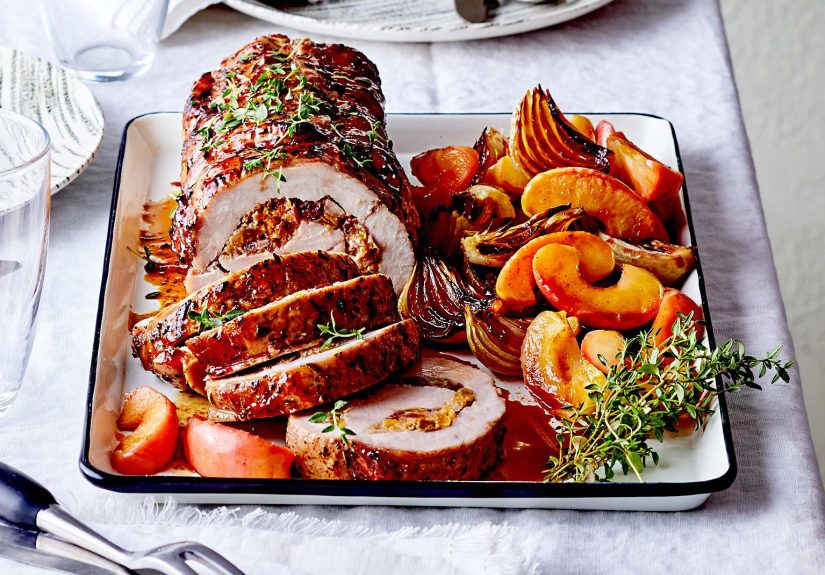
7) Apple Cider–Mustard Glazed Pork Roast with Roasted Apples and Onions
This is the cozy, crowd-pleasing roast that makes your kitchen smell like a candle wishes it could. Apple cider, mustard, and brown sugar
create a glaze that’s sweet, tangy, and savory all at oncelike a honey mustard sauce went on a weekend getaway and came back with better taste.
Flavor plan
- Glaze: Apple cider + mustard + brown sugar (plus a pinch of salt)
- Aromatics: Onion wedges, apple slices, thyme
- Finish: Reduce the pan juices for a spoonable sauce
How to make it
- Sear the pork (optional but recommended), then set it in a pan with apples and onions around it.
- Brush glaze over the roast and roast until done, basting once or twice.
- Remove pork to rest; simmer pan juices to concentrate flavor.
- Slice and serve with those jammy apples and onions.
Variation: Add a splash of apple cider vinegar if you like your sweet flavors with a little attitude.
8) Coffee-Chili Rubbed Pork Roast with Smoky Pan Drippings Sauce
Coffee in a rub doesn’t make your pork taste like a latte. It makes it taste roasty, dark, and complexthe way cocoa makes chili
taste deeper without screaming “CHOCOLATE!” Pair it with chili powder and brown sugar and you get a crust that’s sweet-smoky-magic.
Flavor plan
- Dry rub: Finely ground coffee, brown sugar, paprika, cumin, chili powder, black pepper, salt
- Cut choice: Pork shoulder for maximum forgiveness, or pork loin if you’re confident with a thermometer
- Sauce: Deglaze drippings with broth; add a splash of balsamic or cider vinegar
How to make it
- Mix rub and coat the roast generously (press it in like you mean it).
- Roast until done, tenting with foil if the crust browns too quickly.
- Rest the pork; meanwhile, deglaze the pan with broth and a little vinegar.
- Simmer briefly and spoon over slices (or shredded pork if you went shoulder-style).
Make it a sandwich situation: Pile leftovers on a bun with slaw. Congratulationsyou’ve invented “weeknight happiness.”
Extra Experiences: The Real-Life Lessons That Make Pork Roasts Better (About )
Pork roast recipes look calm on the internet. Real kitchens are not calm. Real kitchens include: someone opening the oven “just to check,”
a cutting board that mysteriously disappears when it’s time to rest the meat, and the sudden realization that your “pan sauce” plan requires
a pan that isn’t currently soaking in the sink.
The most common pork-roast storyline goes like this: you buy a gorgeous pork loin, roast it “until it looks done,” slice immediately because
everyone is hungry, and then wonder why the meat feels a little dry. The fix is unromantic but life-changing: a thermometer and a rest.
When people say resting matters, they’re not being dramatic. Resting is basically your roast reabsorbing its own juices instead of donating
them to your countertop. Give it the time it deserves, and you’ll taste the difference in every slice.
Another lesson that shows up a lot: lean cuts need a flavor buddy. Tenderloin and loin roast are fantastic, but they’re not
fatty shoulder. That’s why glazes and pan sauces feel like “cheating” (in the best way). A cider-Dijon sauce, a cranberry-orange glaze, even
a simple lemon-butter pan finish turns “nice pork” into “can I get the recipe?” pork. If you’re stuffing a lean cut, you’re doing the same
thing from the insideadding moisture, salt, and richness so every bite has momentum.
Stuffed roasts come with their own truth: they reward you for being a little fussy up front. Rolling tightly and tying evenly is not just for
aestheticsit helps the roast cook more uniformly, keeps the filling where it belongs, and makes slices that look intentional instead of
“abstract art.” If you’re nervous, here’s a comforting trick: chill the rolled roast for 15–30 minutes before cooking. Cooler meat is easier
to sear without unraveling, and it buys you a little control when your kitchen energy is chaotic.
For bolder flavorsmojo, gochujang, coffee-chiliwhat people often notice is that these roasts taste even better the next day. That’s not
your imagination. Strong marinades and rubs settle in, and the sauce thickens slightly as it cools, making leftovers taste like you planned
a sequel. If you want to lean into that, roast a day ahead, chill, then rewarm slices gently in a little broth or sauce. You’ll get
make-ahead convenience without sacrificing tenderness.
Finally, a small pep talk: don’t let “pork roast” intimidate you into overcooking. Pork doesn’t need to be cooked into submission to be safe
and delicious. Cook it properly, rest it properly, and dress it with flavor on purpose. You’ll end up with a roast that feels fancy
even if the side dish is a bag salad you poured into a bowl and called “a fresh moment.”
Conclusion
The best pork roast recipes aren’t complicatedthey’re strategic. Choose a cut that matches your timeline, layer flavor with a rub or stuffing,
and finish with a sauce that makes the whole thing taste restaurant-level. Start with one roast that fits your mood (citrusy mojo, sticky
gochujang, cozy cider, or cranberry-glazed drama), and you’ll have a repeat-worthy playbook for holidays, Sundays, and “I want leftovers” weeks.