Table of Contents >> Show >> Hide
- What Household Dust Really Comes From
- 1. Dirty HVAC Filters and Neglected Air Purifiers
- 2. Wall-to-Wall Carpet and Thick Area Rugs
- 3. Heavy Curtains, Upholstered Furniture, and Decorative Fabric Overload
- 4. Too Much Indoor Humidity
- 5. Pets and Their Favorite Hangout Zones
- 6. Cluttered Shelves, Paper Piles, and Too Much Open Storage
- 7. The Wrong Cleaning Tools and Dusting Habits
- How to Make Your Home Less Dusty Without Losing Your Mind
- Real-Life Experiences With Dustier Homes and What Actually Helped
- Conclusion
- SEO Metadata
Dust has a real talent for showing up five minutes after you clean, as if it pays rent and refuses to leave. One minute your coffee table looks polished and responsible, and the next it is wearing a fine gray sweater. If your home seems dustier than normal, the problem is not always that you are cleaning too little. Sometimes the real troublemakers are the things in your home that quietly create, trap, and recirculate dust all day long.
That is the frustrating part about household dust: it is not just “dirt.” It is a grab bag of tiny particles that can include fabric fibers, dead skin cells, pet dander, pollen, outdoor debris, and bits of whatever has been floating around indoors. So if your house feels like it is manufacturing dust in the back room like a tiny, unregulated factory, there is usually a reason.
Below are seven common things in your home that are actually making it dustier, plus smart ways to fix each one without turning your entire weekend into a cleaning marathon.
What Household Dust Really Comes From
Before we start pointing fingers at your rug, your curtains, and possibly your dog’s favorite chair, it helps to understand what dust is doing. Dust settles on surfaces, gets kicked up by foot traffic or airflow, and then floats around until it lands somewhere new. That means the dust you see on shelves is only part of the story. A lot of it is constantly moving through the air, hiding in fibers, or hitchhiking into your home on shoes, clothing, and pets.
That is why the dustiest homes are often not the dirtiest homes. They are just homes with more dust-trapping materials, more shedding fabrics, poor filtration, too much humidity, or cleaning habits that accidentally toss particles back into the air.
1. Dirty HVAC Filters and Neglected Air Purifiers
Your heating and cooling system is supposed to help manage airborne particles, not act like a leaf blower for lint. But when the filter is clogged, low quality, or overdue for replacement, the system cannot trap dust effectively. Instead, dust keeps circulating through the air and settling across the room like it is on a sightseeing tour.
Why it makes your home dustier
Forced-air systems move a lot of air every day. If the filter is dirty, poorly fitted, or too weak for the job, the system will struggle to capture fine particles. The same goes for portable air purifiers with old filters. A purifier with a neglected filter is basically a very expensive reminder that maintenance exists.
What to do instead
Check your HVAC filter regularly and replace it according to the manufacturer’s schedule, or more often if you have pets, ongoing construction nearby, or live in a dusty area. For portable air cleaners, use the right replacement filter and make sure the unit is sized for the room. Bigger room, bigger job. Also, do not hide the purifier behind furniture and then expect miracles. Air still needs to circulate around it.
2. Wall-to-Wall Carpet and Thick Area Rugs
Carpet is cozy. It is also one of dust’s favorite long-term relationships. Thick carpet fibers grab and hold dust, pollen, pet hair, and tiny particles from shoes and socks. Then every step sends some of that material right back into the air.
Why it makes your home dustier
Hard floors let you see and remove dust more easily. Carpet lets dust disappear into the fibers, which sounds helpful until it gets disturbed. Shag rugs, plush rugs, and older carpet can be especially problematic because they hold onto particles like they are protecting family secrets.
What to do instead
If replacing carpet is not realistic, vacuum it at least weekly with a high-quality vacuum that uses good filtration. Low-pile rugs are easier to manage than deep, fluffy ones. Washable rugs are even better because they can actually be cleaned instead of merely negotiated with. In bedrooms, where you spend hours breathing near fabric surfaces, reducing heavy carpeting can make a noticeable difference.
3. Heavy Curtains, Upholstered Furniture, and Decorative Fabric Overload
Your home may look beautifully layered, but dust also loves layered. Heavy drapes, fabric headboards, upholstered benches, throw pillows, thick blankets, and overstuffed sofas collect airborne particles all day and then slowly release them with every sit, flop, plop, and dramatic collapse after work.
Why it makes your home dustier
Fabric surfaces are magnets for dust and dander. Unlike a wood table you can wipe in two seconds, soft surfaces absorb and trap particles. The more fabric you have, the more dust has places to settle and hide. That Pinterest-worthy pile of six decorative pillows may be cute, but it is also a small dust district.
What to do instead
Choose washable curtains, removable slipcovers, and blankets that can be laundered regularly. Vacuum upholstered furniture using a brush attachment. Rotate and wash throw pillow covers. If you are designing a lower-maintenance home, mix in more leather, wood, metal, or other wipeable finishes instead of going full fabric carnival.
4. Too Much Indoor Humidity
Humidity sounds harmless until your home starts feeling like a tropical retreat for dust mites and mold. Excess moisture does not create ordinary dust from thin air, but it does support biological particles and allergens that add to the dusty, grimy, sneezy feeling indoors.
Why it makes your home dustier
Dust mites thrive in warm, humid environments, especially in bedding, upholstery, and carpet. Damp areas can also encourage mold growth, and once moisture gets into fabrics and surfaces, particles stick more easily and cleaning becomes harder. Bathrooms without good ventilation, humid basements, and laundry rooms are frequent offenders.
What to do instead
Keep indoor humidity in a healthy range, ideally around 30% to 50%. Use exhaust fans in bathrooms and kitchens. Run a dehumidifier in damp spaces. Fix leaks quickly. If a room feels muggy, smells musty, or seems to collect dust faster than the rest of the house, moisture may be part of the problem. A simple hygrometer can tell you whether the room is comfortable or secretly auditioning to become a swamp.
5. Pets and Their Favorite Hangout Zones
We love pets. Dust also loves pets. Dogs and cats shed hair, dander, and outdoor particles they pick up on their fur and paws. Even pets that do not visibly shed much still contribute tiny flakes of skin and tracked-in debris. In other words, your pet may be adorable, but your pet is not a minimalist.
Why it makes your home dustier
Pet beds, blankets, litter areas, scratching posts, and furniture they use often become concentrated dust zones. Add in open windows, backyard zoomies, and a habit of rolling in places no one asked them to roll, and suddenly your living room has an active supply chain of particles.
What to do instead
Brush pets regularly, wash pet bedding often, and vacuum the spots where they spend the most time. Wipe paws when they come inside. Damp dust hard surfaces rather than using dry dusters that send dander airborne again. If your pet sleeps on the sofa, congratulations: the sofa is now a shared ecosystem and needs more frequent cleaning than you probably wanted to hear.
6. Cluttered Shelves, Paper Piles, and Too Much Open Storage
Dust loves surfaces, and clutter creates thousands of tiny surfaces. Stacks of books, baskets, open shelving, framed photos, cords, paper piles, collectibles, and countertop overflow all make dusting slower and less thorough. Once cleaning becomes annoying, it becomes less frequent. Dust appreciates your cooperation.
Why it makes your home dustier
Clutter does not usually generate dust by itself, but it does create more landing zones and makes dust harder to remove. Open storage gathers particles quickly, especially in busy areas with airflow and foot traffic. Paper is particularly sneaky because stacks look harmless while quietly collecting a fine layer of dust on every edge.
What to do instead
Edit what stays out in the open. Store less-used items in closed cabinets or bins. Leave a little breathing room on shelves so you can wipe surfaces properly. If your bookshelf requires the precision of an archaeological dig every time you clean it, that shelf is not helping you.
7. The Wrong Cleaning Tools and Dusting Habits
Sometimes the thing making your house dustier is, unfortunately, the way you are cleaning it. Dry feather dusters, old brooms, dirty vacuum bins, and random “wipe and hope” methods can push particles around instead of removing them.
Why it makes your home dustier
Dry dusting can send fine particles back into the air, where they eventually settle somewhere else. Sweeping with a dry broom can do the same thing, especially in bedrooms and other enclosed spaces. A vacuum with poor filtration or a full canister may also leak dust back out while you are using it, which is not exactly the teamwork you were hoping for.
What to do instead
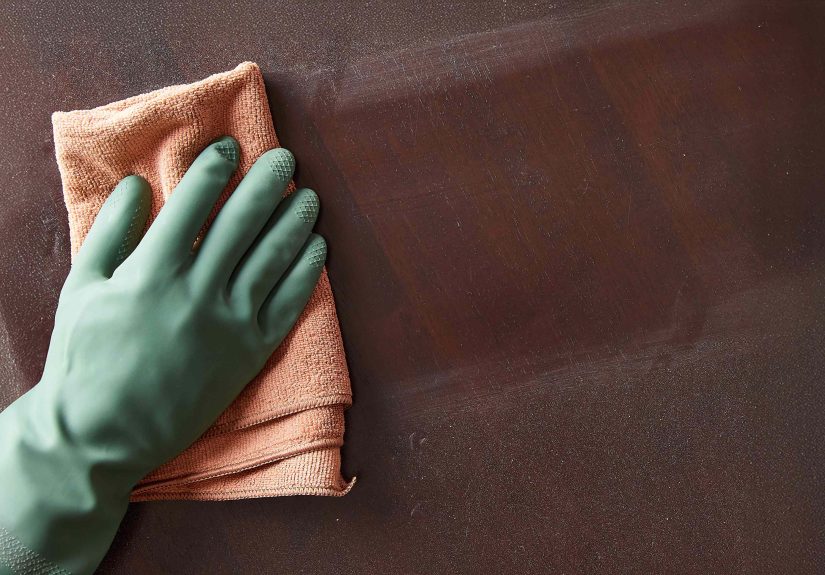
Use damp microfiber cloths for dusting and a vacuum with effective filtration. Clean from top to bottom so dust from higher surfaces does not ruin the lower surfaces you just cleaned. Wash microfiber cloths regularly and empty or change vacuum components on schedule. And yes, ceiling fans count. If the blades are furry enough to qualify as wildlife, they are definitely contributing to the problem every time they spin.
How to Make Your Home Less Dusty Without Losing Your Mind
If all seven items on this list are living in your house right now, do not panic and try to redesign your entire home by dinner. Dust control works best when you focus on the biggest contributors first. Start with filtration, fabrics, humidity, and cleaning tools. Those changes tend to deliver the fastest results.
A practical routine might look like this: replace the HVAC filter, wash bedding weekly, vacuum rugs and upholstery, wipe hard surfaces with damp microfiber cloths, reduce clutter on open shelves, and keep pet zones cleaner than the average crime scene. You do not need perfection. You need fewer dust factories.
Also, be realistic about your home. A house with kids, pets, carpet, open windows, and high traffic will naturally need more maintenance than a quiet apartment with hard floors and no fabric explosion. The goal is not a dust-free home, because that is not a thing. The goal is a home where dust does not seem to regenerate out of spite.
Real-Life Experiences With Dustier Homes and What Actually Helped
One of the most common experiences people have with household dust is assuming the problem is general mess, when the real culprit is airflow and filtration. A lot of homeowners notice this after they replace an old HVAC filter. Before the change, they are dusting every few days and wondering why the TV stand looks dirty again almost immediately. After replacing the filter and checking the vent covers, they often find that the “mystery dust” settles more slowly. The house does not become magically spotless, but the constant dusty film starts to calm down.
Another common experience happens in homes with pets. People often think the visible pet hair is the whole issue, but the real change comes when they start washing pet bedding, brushing pets more often, and cleaning the corners and baseboards where fur and dander gather. It is not unusual for a room to feel fresher within a week just from paying attention to the pet’s usual nap zones. That favorite chair by the window? It may be emotionally important to the dog, but it is also a prime dust collection site.
Families with young children often notice dust getting worse after adding more soft items to the home. Stuffed animals, nursery rugs, fabric bins, padded chairs, extra blankets, and blackout curtains can make a room feel cozy, but they also add more surfaces that hold particles. Parents sometimes realize the room looks clean yet still feels dusty because so much of the dust is trapped in textiles. Washing soft items more often and simplifying what stays in the room can make a bigger difference than wiping the dresser ten times.
Apartment renters frequently report a similar issue with humidity. A bathroom with weak ventilation or a slightly damp bedroom can create that sticky, dusty feeling where surfaces seem grimy faster than they should. In these cases, a small dehumidifier, consistent fan use, and keeping fabrics drier can noticeably improve how the room feels. It is one of those fixes that seems boring until you realize the “dust” problem was partly a moisture problem wearing a fake mustache.
Then there are the clutter revelations. Plenty of people say they could never keep dust under control until they reduced what was sitting out in the open. Once shelves were edited, paper piles were contained, and random decor stopped covering every available surface, cleaning became faster and more effective. The dust was not necessarily being created by a stack of books or a collection of candles, but those items made proper cleaning such a chore that dust always won.
Perhaps the most satisfying experience comes from changing cleaning methods. People who switch from dry dusters to damp microfiber cloths often notice the difference right away. Instead of dust floating around like confetti at a parade nobody asked for, it actually gets removed. The same goes for using a better vacuum on rugs and upholstery. The room not only looks cleaner, it stays cleaner longer. That is usually the moment when people realize they did not have a cleaning motivation problem. They had a tool problem.
Conclusion
If your home always seems dusty, the answer is not necessarily more cleaning. Often, it is smarter cleaning and better control over the things that trap, shed, and recirculate particles. Dirty filters, carpet, heavy fabrics, humidity, pets, clutter, and bad dusting habits can all quietly make your house dustier than it needs to be.
The good news is that you do not need a laboratory-grade clean room to feel the difference. A few changes in what you use, what you wash, and how you clean can cut down the daily dust battle in a very real way. Your shelves may still get dusty eventually, because dust is committed to the bit, but it will have to work a lot harder for it.