Table of Contents >> Show >> Hide
- Why “Declutter Less, But Better” Actually Works
- 6 Spots You Don’t Need to Waste Time Decluttering
- 1) Sentimental Items (At Least Not at the Beginning)
- 2) Junk Drawers (Unless They’re Overflowing and Angry)
- 3) Digital Clutter (When Storage Isn’t the Problem)
- 4) Sock Drawers (Yes, Really)
- 5) Untouched Boxes in the Garage, Basement, or Attic
- 6) Old Paperwork (When You’re Using It to Avoid Bigger Decisions)
- What to Declutter Instead (If You Want Fast, Visible Results)
- How to Declutter Without Turning It Into a Weekend-Long Meltdown
- Real-Life Experiences: What Happens When You Stop Decluttering the Wrong Things (Composite Examples)
- Conclusion
If decluttering has turned into a part-time job, this article is your permission slip to clock out early. Yes, a tidy home matters. No, you do not need to reorganize every sock, cable, and mystery drawer every weekend like you’re preparing your house for a reality show reveal.
The smartest organizing advice isn’t “declutter everything.” It’s declutter strategically. Professional organizers consistently point to the same idea: focus on spaces that affect your daily life, stress level, and routinesnot tiny areas that feel productive but barely change how your home functions.
In other words, if your kitchen counter is chaos but you’re alphabetizing old birthday cards… your clutter is winning.
Below are 6 spots you don’t need to waste time decluttering (at least not first), plus what to tackle instead for bigger, faster results.
Why “Declutter Less, But Better” Actually Works
There’s a reason many people feel exhausted by decluttering: they start with low-impact tasks. It’s easier to sort a sock drawer than to deal with an overflowing entryway, a paper pile, or the emotional mess inside a closet. Small tasks feel safe. Big tasks create real change.
But effective home organization is not about winning points for effort. It’s about improving function. If a decluttering session doesn’t reduce friction in your daylike helping you leave the house on time, cook dinner without a countertop avalanche, or find the mail before the electric bill becomes a jump scareit may not be the best use of your time.
The goal isn’t perfection. The goal is a home that works for your actual life, not a fantasy version of you who labels lentils by font choice.
6 Spots You Don’t Need to Waste Time Decluttering
1) Sentimental Items (At Least Not at the Beginning)
Sentimental clutter is where productivity goes to cry.
Old photos, kids’ artwork, gifts, letters, college sweatshirts, random concert stubs you swear are “part of your story”these items can be deeply meaningful. They can also swallow an entire afternoon while you sit cross-legged on the floor saying, “Wow, I forgot this existed,” every six minutes.
Why it’s usually a time trap: sentimental items trigger memories, and memories slow decision-making. This category is emotionally heavy, which makes it a poor starting point if you’re trying to build momentum.
What to do instead: create a temporary “memory bin” and move on. Give sentimental items a contained home, then return to them when you have more time and emotional bandwidth. If you’re not ready to decide, that’s not failureit’s sequencing.
Quick exception: if sentimental items are actively taking over a high-use space (for example, stacks of keepsakes on your dining table), do a containment pass, not a full emotional excavation.
2) Junk Drawers (Unless They’re Overflowing and Angry)
Let’s be honest: the junk drawer exists because life exists.
It’s where batteries, rubber bands, mystery keys, takeout soy sauce packets, and one lonely screw from something important all go to form a tiny nation. Organizing experts often agree that a junk drawer is not automatically a crisis. If it closes and you can find the scissors in under 30 seconds, it may be “organized enough.”
Why it’s often a waste of time: junk drawers are small, fussy, and deceptively time-consuming. You can spend 45 minutes sorting paper clips and feel accomplishedwhile your kitchen island still looks like a shipping warehouse.
What to do instead: prioritize visible, high-traffic zones first (entryway, kitchen counters, bathroom surfaces). Those spaces affect your stress and routines every day.
Quick exception: if the junk drawer is overflowing, won’t close, or has become a safety issue (hello, loose blades and dead batteries), do a 10-minute reset. Keep, relocate, trash. Done. No color-coding required.
3) Digital Clutter (When Storage Isn’t the Problem)
Digital decluttering can feel wonderfully productive. You sit down to “clean your desktop” and somehow three hours later you’ve renamed screenshots from 2019 and reread an email thread about office snacks.
If your phone, cloud storage, or computer isn’t running out of space, deep-cleaning old screenshots, promo emails, and duplicate vacation photos may not deserve top priorityespecially when your physical environment is causing more stress right now.
Why it’s often low-impact: digital clutter is usually hidden. It may be annoying, but it rarely blocks your morning routine the way physical clutter does. Plus, digital cleanouts can quickly turn into nostalgia tours or rabbit holes.
What to do instead: set up simple automation and boundaries:
– Unsubscribe from marketing emails you never read
– Create broad folders, not 97 micro-categories
– Use search and archive instead of hand-sorting everything
– Schedule a short monthly digital cleanup instead of marathon sessions
Quick exception: if your storage is full, your inbox is causing you to miss important messages, or your device performance is suffering, move digital clutter up the list.
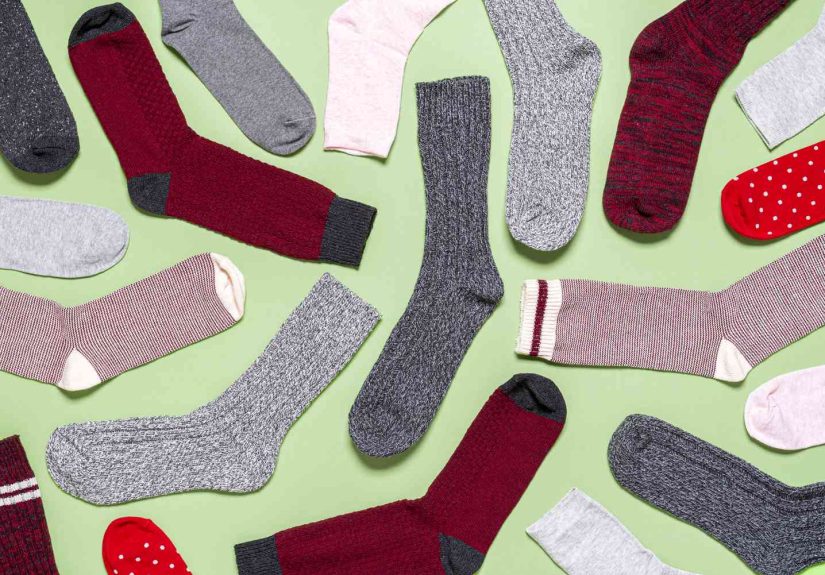
4) Sock Drawers (Yes, Really)
This one hurts the Type-A crowd, but here we are.
Sorting socks feels productive because it’s easy, finite, and weirdly satisfying. You can toss holey pairs, match the survivors, and achieve a tiny feeling of order in a chaotic world. But in most homes, a perfectly organized sock drawer does not meaningfully improve day-to-day life.
Why it’s a classic procrastination task: it gives you the dopamine hit of “I decluttered!” without forcing harder decisions about closets, paperwork, duplicates, or oversized furniture.
What to do instead: if you only have 20–30 minutes, tackle a category with bigger payofflike your entryway drop zone, bathroom cabinet duplicates, or the pile of mail on the counter.
Quick exception: if your drawer is so overstuffed you can’t find basics, do a rapid purge: keep what fits and gets worn, toss damaged pairs, donate unopened extras. Then stop before you start folding socks like artisanal pastries.
5) Untouched Boxes in the Garage, Basement, or Attic
Ah yes, the “maybe someday” boxes. The archaeological layer of adulthood.
These are the bins you haven’t opened since a move, a life transition, or “temporarily” putting things away two years ago. They often contain hard categories: sentimental items, backup gear, old paperwork, hobby supplies, and objects that prompt existential questions like, “Why did I keep a broken lamp shade?”
Why they’re usually not the best first target: they’re low-frequency spaces. If those boxes aren’t affecting your daily routine, spending your limited decluttering energy there may produce very little relief.
What to do instead: follow the “start where your stress lives” rule. Declutter the spaces you use every day firstkitchen, bathroom, bedroom, entryway, living room surfaces. That’s where you’ll notice the biggest improvement in function and mood.
Quick exception: if the garage/attic clutter is blocking access, creating a safety issue, inviting pests, or preventing storage of items you actually use, then it becomes a high-priority project.
6) Old Paperwork (When You’re Using It to Avoid Bigger Decisions)
Paper clutter is tricky. Some documents matter a lot. Most don’t. And the pile has a magical ability to make you feel busy without making your home feel better.
People often hyper-focus on old paperwork during stressful life transitions because it feels concrete: sort, stack, shred, repeat. But if you’re ignoring a chaotic bedroom, an overloaded closet, or a dysfunctional kitchen just to “finally organize the filing cabinet,” you may be using paper as a safe distraction.
Why it can be a time sink: paper invites overthinking. You read things. You pause. You remember things. Suddenly you are emotionally processing utility bills from a previous era.
What to do instead: use a two-step paper system:
– Step 1: Quick triage (trash/recycle, action, keep)
– Step 2: File only truly important documents in broad categories
Quick exception: if you’re missing critical documents, facing tax/legal deadlines, or paper piles are taking over surfaces, handle paperwork soonerbut keep the system simple and functional, not museum-quality.
What to Declutter Instead (If You Want Fast, Visible Results)
If you skip the six spots above for now, where should you focus? Professional organizing advice tends to point toward high-impact, high-traffic areasthe places that interrupt your day or visually stress you out.
Prioritize These First
1. Entryway/drop zone: Shoes, bags, keys, mail, coats. This area sets the tone when you walk in.
2. Kitchen counters: Clear work surfaces instantly make a home feel calmer and more usable.
3. Bathroom cabinets/surfaces: Expired products and duplicates waste space and time every morning.
4. Bedroom nightstand + floor: A clear path and a calmer sleep space matter more than a flawless linen closet.
5. Daily “doom piles”: Temporary piles become permanent roommates if you don’t close the loop.
How to Declutter Without Turning It Into a Weekend-Long Meltdown
You do not need an all-day purge, 40 matching bins, or a motivational playlist with suspiciously aggressive ukulele.
Try this practical framework instead:
The 15-Minute Functional Reset
Set a timer. Pick one small but high-impact area (counter, entryway bench, one bathroom shelf). Focus on function, not aesthetics. Your goal is to make life easier by tonightnot prettier for social media.
The “Good Enough” Rule
A drawer can be a little messy and still be functional. A system that your household can maintain beats a perfect system everyone abandons in four days.
The Container Limit Rule
If sentimental items, cords, stationery, or hobby supplies fit in one assigned container, great. If they overflow, it’s time to edit. The container is the boundary, not a challenge to buy a bigger container.
The Delayed Decision Bin
For emotionally loaded items, use one labeled bin: “Decide Later.” This prevents your decluttering session from stalling while still moving clutter out of daily-use areas.
Real-Life Experiences: What Happens When You Stop Decluttering the Wrong Things (Composite Examples)
The following are composite experiences based on common patterns described by organizers and householdsnot one person’s story.
A lot of people start decluttering where they feel competent, not where they feel stressed. One family spent an entire Saturday reorganizing craft drawers, labeling crayons by shade, and matching every game piece into zip bags. It looked amazing. By Monday morning, they were late to school and work because the entryway still had no system for backpacks, shoes, and mail. The house was technically “organized” in one room and still chaotic where it mattered most.
Another common example is the sock drawer spiral. One client-type scenario organizers describe goes like this: someone feels overwhelmed by a messy bedroom, but instead of tackling clothes on the chair, laundry overflow, and the closet floor, they start with socks because it’s easier. Two hours later, the socks are immaculate and the room still feels stressful. The person feels weirdly defeated because they worked hard but didn’t get relief. That’s the key lesson: effort and impact are not always the same thing.
There’s also the sentimental-box trap. A person opens one bin in the attic “just to sort for 15 minutes” and ends up sitting with old photos, baby clothes, cards, and keepsakes for half the day. It’s not laziness; it’s emotional bandwidth. These categories can be meaningful and draining at the same time. Once people switch to a memory-bin approachcontain first, decide laterthey often make fast progress in the kitchen, bathroom, and bedroom and feel immediate relief. Later, they can return to keepsakes with more patience.
Paper clutter creates another classic detour. Many people start sorting receipts, old forms, and random envelopes because paperwork feels important. Sometimes it is. But often, the paper pile becomes a way to avoid bigger decisionslike downsizing duplicate appliances, clearing counters, or editing a closet. A simple triage system (trash/recycle, action, keep) usually works better than trying to create a perfect filing archive on day one.
One of the most effective shifts people report is focusing on “where the stress lives.” When they clear the kitchen counter, reset the entryway, or purge expired bathroom products, they notice the difference the same day. Mornings run smoother. They stop losing keys. They can cook without moving five things first. That visible progress builds motivation, which makes it easier to tackle bigger projects laterincluding the garage boxes and sentimental bins.
The surprising outcome is this: doing less decluttering in low-impact areas often leads to more sustainable organization overall. Not because people become less disciplined, but because they finally start spending their time where it changes daily life.
Conclusion
Decluttering is supposed to support your lifenot consume it.
If you want a calmer, more functional home, stop trying to win the “most organized sock drawer” championship and start focusing on spaces that create daily friction. Sentimental items, junk drawers, digital clutter, sock drawers, untouched storage boxes, and old paperwork can all wait when bigger, more stressful zones need your attention first.
Use your time where it creates visible relief. Aim for functional systems over perfect ones. And remember: a home can be lived-in, a little imperfect, and still beautifully organized.