Table of Contents >> Show >> Hide
- Why Fruit and Yogurt Smoothies Are a Smart Daily Habit
- Method 1: Classic Berry and Yogurt Smoothie
- Method 2: Tropical Sunshine Smoothie
- Method 3: Green Power Fruit and Yogurt Smoothie
- Method 4: High-Protein Breakfast Smoothie
- Method 5: Dairy-Free or Kid-Friendly Smoothie
- How to Customize Any Fruit and Yogurt Smoothie
- Storage and Food Safety Tips
- Real-Life Experiences: Making Fruit and Yogurt Smoothies a Habit
- Final Thoughts
If you could pour a good mood, a multivitamin, and a snack into one glass, it would probably look a lot like a fruit and yogurt smoothie.
Between the creamy yogurt, sweet fruit, and endless flavor combos, smoothies are one of the easiest ways to upgrade breakfast, refuel after a workout,
or bribe yourself into eating spinach without feeling like a rabbit.
In this guide, we’ll walk through five easy ways to make a fruit and yogurt smoothie, plus tons of tips to help you tweak texture, sweetness,
and nutrition. Think of this as a “choose your own adventure” for your blender: once you understand the basic formula, you can riff with
whatever is hanging out in your fridge or freezer.
Why Fruit and Yogurt Smoothies Are a Smart Daily Habit
A well-built fruit and yogurt smoothie can do a lot more than taste good. Yogurt brings protein, calcium, and probiotics that support
bone and gut health, while fruit adds fiber, vitamins, and natural sweetness. When you combine them, you get a snack or meal that’s
more filling and nutritious than most “grab-and-go” options.
- Protein and staying power: Greek yogurt is naturally higher in protein than regular yogurt. Including it in smoothies can help you stay full longer and support muscle recovery after exercise.
- Probiotics for gut health: Many yogurts contain live and active cultures, which act as probiotics that can help support a healthy gut microbiome.
- Calcium and bone health: Yogurt is part of the dairy group and is a significant source of calcium, which is essential for strong bones and teeth.
- Fruit for fiber and antioxidants: Berries, bananas, mangoes, and other fruits add fiber, vitamin C, and a variety of antioxidants that help support overall health.
- Customizable nutrition: Seeds, nut butters, oats, and greens can all be tossed in to add healthy fats, extra fiber, and micronutrients without much effort.
The key is balance: you want a mix of protein (yogurt), carbs (fruit), and possibly a bit of healthy fat (nuts or seeds) to keep your smoothie satisfying instead of sugar-heavy.
Method 1: Classic Berry and Yogurt Smoothie
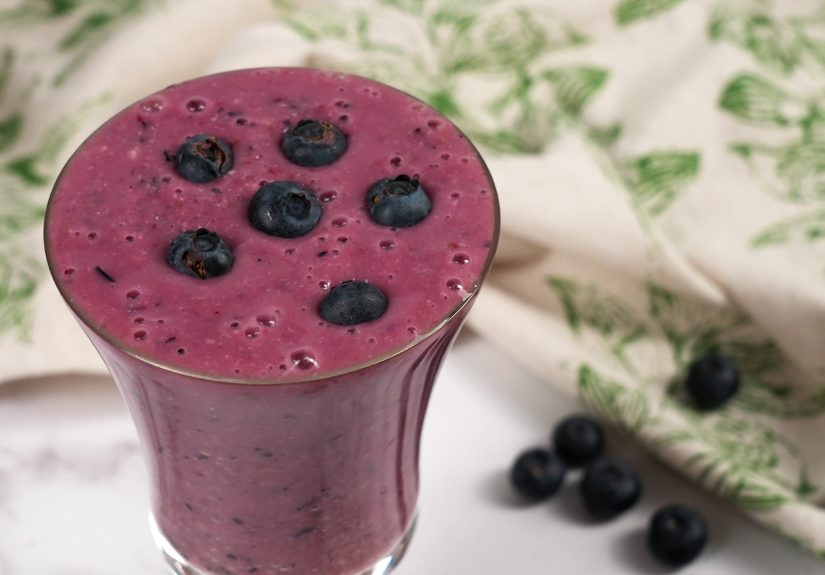
This is the “starter pack” smoothiesimple, crowd-pleasing, and nearly impossible to mess up. It’s great for busy mornings and works with fresh or frozen fruit.
What You Need
- 1 cup mixed berries (fresh or frozen: strawberries, blueberries, raspberries, etc.)
- 1 small or 1/2 large banana (for creaminess)
- 3/4 cup plain or vanilla Greek yogurt
- 1/2–3/4 cup milk, water, or juice (adjust for thickness)
- 1–2 teaspoons honey or maple syrup (optional)
- A few ice cubes, if using fresh fruit
Step-by-Step
- Add the liquid to the blender first so the blades don’t struggle.
- Add yogurt, then fruit, then ice cubes on top.
- Blend on low to break up the fruit, then increase to high until smooth.
- Taste and adjust sweetness. Add a splash more liquid if it’s too thick.
- Pour into a glass, add a berry garnish if you want to feel extra, and serve immediately.
Tips and Variations
- Swap banana for a few tablespoons of oats if you want less sweetness but extra fiber.
- Use frozen berries to skip the ice and get a thicker, milkshake-like texture.
- Add a tablespoon of chia or ground flaxseed for healthy fats and more staying power.
Method 2: Tropical Sunshine Smoothie
If you’d rather mentally teleport to a beach while you drink your breakfast, this fruit and yogurt smoothie is for you.
Tropical fruits are naturally sweet and pair perfectly with creamy yogurt.
What You Need
- 1/2 cup frozen mango chunks
- 1/2 cup frozen pineapple chunks
- 1/2 banana or 1/4 avocado (for extra creaminess)
- 3/4 cup vanilla or plain yogurt (Greek or regular)
- 1/2–3/4 cup coconut water or regular water
- Lime juice to taste (a squeeze brightens the flavor)
How to Make It
- Add coconut water (or water) and yogurt to the blender.
- Add mango, pineapple, and banana or avocado.
- Blend until completely smooth and thick.
- Squeeze in a bit of lime juice, blend for a few seconds, and taste.
- Adjust with more liquid if needed and serve right away.
Pro Tips
- Use unsweetened coconut water if you want tropical flavor without extra added sugar.
- Turn leftovers into popsicles by pouring into molds and freezing for 4–6 hours.
Method 3: Green Power Fruit and Yogurt Smoothie
Green smoothies get a bad reputation, but when you use fruit and yogurt smartly, the flavor is more “tropical vacation” than “chewing on lawn clippings.”
This smoothie is perfect if you want more leafy greens without eating another salad.
What You Need
- 1 cup baby spinach or kale (packed lightly)
- 1 small banana or 1/2 large banana
- 1/2 cup frozen mango or pineapple
- 3/4 cup plain Greek yogurt
- 1/2–3/4 cup water, milk, or unsweetened almond milk
- Optional: 1 tablespoon nut butter or seeds for extra fats and protein
How to Make It
- Blend the greens and liquid first until completely smooth. This avoids leafy bits.
- Add yogurt, banana, and frozen fruit.
- Blend again until creamy. Scrape down the sides if needed.
- Taste and adjust with a touch of honey or another small piece of fruit if it’s not sweet enough.
Make It Easier
- Freeze greens in small bags or containers so they’re ready to toss in.
- If you’re new to green smoothies, start with spinachit has the most neutral flavor.
Method 4: High-Protein Breakfast Smoothie
This is the fruit and yogurt smoothie you make when you need your breakfast to carry you through a meeting, a workout, or a long commute.
The idea is simple: keep the fruit, but boost protein and fiber.
What You Need
- 1/2–1 banana or 1/2 cup berries (fresh or frozen)
- 3/4–1 cup Greek yogurt (plain, low-fat or nonfat)
- 1 tablespoon peanut butter, almond butter, or sunflower seed butter
- 2 tablespoons rolled oats or 1 tablespoon chia seeds
- 1/2–3/4 cup milk or fortified soy milk
- Optional: 1 scoop protein powder if you need an extra boost
How to Make It
- Add milk and yogurt to the blender.
- Add banana or berries, nut butter, and oats or seeds.
- Blend until smooth, starting on low and moving to high.
- If the smoothie is too thick, add a splash more milk. If it’s too thin, add a few ice cubes and blend again.
When to Use This Smoothie
- As a grab-and-go breakfast on busy weekdays.
- As a post-workout snack, especially if you’ve done strength training.
- On days when you know lunch might be late and you need extra staying power.
Method 5: Dairy-Free or Kid-Friendly Smoothie
Whether you’re lactose intolerant, vegan, or just have a kid who gives you “the look” at anything labeled “healthy,” this smoothie is a win.
The trick is using plant-based yogurt and fun flavors while keeping the fruit and yogurt smoothie structure.
What You Need
- 1 cup fruit (berries, peaches, or a berry–banana mix work great)
- 3/4 cup dairy-free yogurt (such as soy or almond yogurt, ideally unsweetened)
- 1/2–3/4 cup oat milk, soy milk, or another dairy-free milk
- 1–2 teaspoons maple syrup or a date (optional, for extra sweetness)
- Optional: a spoonful of peanut butter or a sprinkle of cocoa powder for a dessert-like vibe
How to Make It
- Add the dairy-free milk and yogurt to the blender.
- Add the fruit and any optional ingredients.
- Blend until smooth and creamy.
- Adjust thickness by adding more liquid or a couple of ice cubes.
Kid-Friendly Tricks
- Serve smoothies in a fun cup with a colorful straw.
- Let kids choose one or two fruits to “design” their own smoothie.
- Pour leftovers into ice pop molds for an after-school treat.
How to Customize Any Fruit and Yogurt Smoothie
Once you understand the basic formula, making your own fruit and yogurt smoothie recipes becomes second nature. Here’s the general blueprint:
- 1 cup fruit (fresh or frozen)
- 3/4–1 cup yogurt (Greek for more protein, regular for a lighter texture)
- 1/2–3/4 cup liquid (milk, water, coconut water, or a dairy-free alternative)
- Optional add-ins: greens, nuts, seeds, oats, spices, or protein powder
Adjusting Sweetness
If you’re using very ripe bananas, sweet berries, or flavored yogurt, you might not need any extra sweetener.
If you do, start small with honey, maple syrup, or a pitted datethen taste and adjust.
Adjusting Thickness
- Too thick? Add more liquid a tablespoon at a time.
- Too thin? Add a handful of frozen fruit or a couple of ice cubes.
- Want spoonable texture? Use all frozen fruit, a little less liquid, and thicker yogurt.
Boosting Nutrition
To upgrade your fruit and yogurt smoothie from “snack” to “balanced meal,” add:
- 1–2 tablespoons of chia, flax, or hemp seeds for healthy fats and extra fiber.
- 2–3 tablespoons of rolled oats for slow-digesting carbs and a thicker texture.
- 1 tablespoon nut butter for creaminess, flavor, and extra calories if you’re very active.
- A small handful of spinach or kale for extra vitamins and mineralsespecially in green smoothies.
Storage and Food Safety Tips
Fresh smoothies taste best right after blending, but you can absolutely plan ahead:
- Fridge: Store in an airtight jar for up to 24 hours. Shake well before drinkingsome separation is normal.
- Freezer: Pour into freezer-safe containers or popsicle molds. Thaw in the fridge or enjoy as a frozen treat.
- Meal prep: Add all ingredients (except liquid) to individual freezer bags. In the morning, dump into the blender, add liquid and yogurt, and blend.
Real-Life Experiences: Making Fruit and Yogurt Smoothies a Habit
Reading about fruit and yogurt smoothies is one thing; building a habit around them is another. The good news is that, in everyday life,
smoothies tend to become a “default” choice once you figure out what works for your schedule and taste buds.
Many people start by making a classic berry and yogurt smoothie on Monday mornings and quickly realize how much easier the day feels when
breakfast isn’t a last-minute decision. The combination of protein from yogurt and fiber from fruit helps keep you full through mid-morning,
which can mean fewer random snacks and less temptation to raid the office pastry box. Once you’ve had that experience a few times, it’s easier
to see smoothies as a form of low-effort self-care rather than just another recipe.
If you’re a parent, smoothies can also become your secret weapon against picky eating. Kids who turn up their noses at plain yogurt might happily
drink the same yogurt blended with berries and a banana, especially if you give the smoothie a fun name like “Purple Rocket Fuel” or
“Mango Sunshine Shake.” Turning smoothies into a mini activityletting kids choose the fruit, push the blender button, and pick a silly strawcan
transform them from a “healthy food” into a treat they’re excited about.
For people with busy jobs or irregular schedules, fruit and yogurt smoothies often end up filling awkward gaps during the day. Maybe lunch is late,
or you have a long drive ahead. In those moments, having a quick smoothie option that you know is built on yogurt, real fruit, and a few smart additions
can help you avoid less healthy impulse choices. A high-protein smoothie with Greek yogurt, nut butter, and oats can be the difference between feeling
steady and energized or hitting an afternoon energy crash.
Athletes and active people often get hooked on fruit and yogurt smoothies as an easy recovery option after workouts. Blending yogurt with fruit and a
bit of protein or healthy fat can help refuel muscles and provide hydration at the same time, especially when you use milk or a fortified soy drink as
your liquid base. Over time, you might notice that it becomes almost automatic: workout, smoothie, shower, get on with your day.
Finally, there’s the mental side. Taking five minutes to make a smoothie can act as a mini ritual that marks the start of your morning, the end of your
workday, or a mid-afternoon reset. Because it’s easy to customize, you can tweak your fruit and yogurt smoothie to match the weather, your mood, and your
energy needslighter and citrusy in the summer, thicker and more comforting (with nut butter and oats) in the colder months. The longer you experiment,
the more you’ll develop a few “house recipes” that you could practically make with your eyes closed.
The most important experience people share is that smoothies only become a habit when ingredients are easy to access. Keeping a bag of frozen fruit,
a tub of yogurt, and some pantry add-ins (like oats and seeds) on hand removes most of the friction. That way, making a fruit and yogurt smoothie isn’t
a special projectit’s just the easiest possible way to put something delicious and nourishing in a glass.
Final Thoughts
Fruit and yogurt smoothies are simple, flexible, and surprisingly powerful when it comes to building a healthier routine. Whether you start with the
classic berry blend, go tropical, sneak in greens, boost your breakfast with protein, or keep things dairy-free and kid-friendly, the basic formula stays
the same: real fruit, creamy yogurt, and a handful of smart add-ins.
Start with one method that looks good to you, make it once or twice, and then begin to tweak it. Change the fruit, swap the liquid, play with thickness,
and adjust sweetness until your fruit and yogurt smoothie feels like it was designed just for you. Once that happens, your blender might become your
favorite small appliance.