Table of Contents >> Show >> Hide
- Why Fresh Broccoli Is Worth Cooking Well
- 5 Ways to Cook Fresh Broccoli
- 1) Steam Broccoli for a Clean, Bright, Tender-Crisp Texture
- 2) Roast Broccoli for Crispy Edges and Big Flavor
- 3) Sauté Broccoli for a Fast, Weeknight-Friendly Side
- 4) Blanch and Shock Broccoli for Salads, Meal Prep, and Freezing
- 5) Air Fry Broccoli for Fast Roasting Without Heating the Whole Kitchen
- How to Keep Broccoli from Smelling Too Strong
- Best Seasonings for Fresh Broccoli
- Common Mistakes When Cooking Fresh Broccoli
- Experience Notes: What Home Cooks Learn After Making Broccoli a Hundred Different Ways
- Conclusion
Broccoli has a PR problem. People hear the word and immediately remember one of three things: sad cafeteria trays, gray-green mush, or a parent saying, “It’s good for you,” which is never the sentence that makes a kid run to the table. The good news? Fresh broccoli is actually fantasticwhen you cook it like you mean it.
This guide breaks down 5 easy ways to cook fresh broccoli so it tastes bright, crisp-tender, and genuinely delicious. We’ll cover steaming, roasting, sautéing, blanching, and air frying, plus how to prep it, how to avoid the “sulfur cloud” situation, and how to season it so it never feels like a punishment vegetable. If you’ve got one fresh head of broccoli and a little olive oil, you’re already halfway to a great side dish.
Why Fresh Broccoli Is Worth Cooking Well
Fresh broccoli is one of those rare vegetables that checks every box: affordable, easy to find, quick to cook, and flexible enough to show up in pasta, grain bowls, stir-fries, soups, omelets, and sheet-pan dinners. It’s also naturally low in calories and provides fiber and vitamin C, which is a big reason it’s such a staple in healthy meal plans.
Flavor-wise, broccoli is way more interesting than it gets credit for. Raw florets are crisp and a little peppery. Cooked broccoli can turn sweet and nuttyespecially with dry heat like roasting or air frying. The trick is choosing the right cooking method for the texture and flavor you want.
How to Pick Fresh Broccoli
Look for heads with tight, compact florets and a deep green color. The stalk should feel firm, not limp. If the florets are turning yellow, that broccoli is aging and will taste stronger (and less pleasant). Slightly woody stems are fineyou can peel them and cook them too. Don’t throw them out; broccoli stalks are underrated and full of crunch.
How to Store Fresh Broccoli
At home, broccoli keeps best in the refrigerator and is usually best used within a few days for top quality. Store it unwashed in a loose or perforated bag so moisture doesn’t build up too much. If you wash it first and then let it sit wet, it can spoil faster.
One extra tip: broccoli is sensitive to ethylene gas (the stuff some fruits release as they ripen), so try not to store it right next to apples, bananas, or pears if you want it to stay green longer.
Prep First, Cook Faster
Before any method below, give the broccoli a quick rinse under cool running water and pat it dry. Cut the florets into similar-size pieces so they cook evenly. For the stem, trim the tough end, peel the outer layer if it feels thick, and slice the tender inside into coins or matchsticks. Equal-size pieces = no mystery bites.
5 Ways to Cook Fresh Broccoli
Here’s the fun part. These are the five most useful, reliable ways to cook fresh broccoli at home. Think of them as your broccoli tool kit. Once you know when to use each one, weeknight cooking gets a lot easier.
1) Steam Broccoli for a Clean, Bright, Tender-Crisp Texture
Best for: quick side dishes, meal prep, kids, rice bowls, and anyone who wants classic “green vegetable” broccoli without extra browning.
Steaming is the easiest way to cook broccoli without drying it out. It keeps the florets bright green and gives you that tender-crisp texture that works with almost any meal. It also lets broccoli taste like, well, broccolifresh and a little sweetwithout too much interference.
Stovetop Steaming (Basket Method)
Bring about an inch of water to a boil in a pot. Put broccoli in a steamer basket, cover, and steam until just tender, usually about 5 to 7 minutes depending on the size of your florets. Smaller pieces cook faster, so don’t wander off and start a 40-minute podcast.
Microwave Steaming (Fastest Option)
Put broccoli florets in a microwave-safe bowl with 2 to 3 tablespoons of water. Cover loosely and microwave for 2 to 4 minutes, checking for doneness halfway through if your microwave runs hot. This method is perfect when your stovetop is busy or your patience is gone.
How to Finish Steamed Broccoli So It Tastes Great
Steamed broccoli needs seasoning. A drizzle of olive oil or butter, salt, black pepper, and a squeeze of lemon is a great base. You can also add garlic powder, chili flakes, grated Parmesan, or toasted sesame oil. Plain steamed broccoli is fine. Seasoned steamed broccoli is dinner-table redemption.
2) Roast Broccoli for Crispy Edges and Big Flavor
Best for: sheet-pan dinners, meal prep, picky eaters, and anyone who says they “don’t like broccoli.” (They usually mean they don’t like overcooked broccoli.)
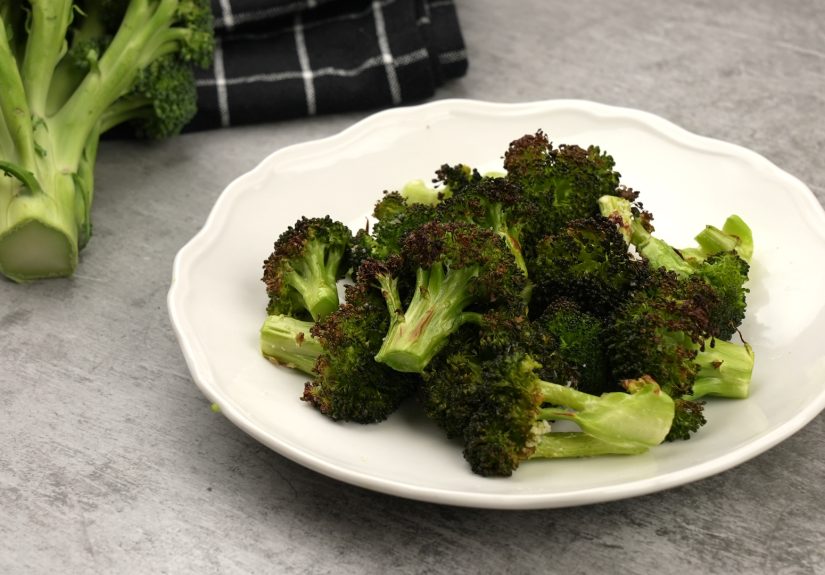
Roasting transforms broccoli. High heat caramelizes the edges, brings out nutty sweetness, and gives you a mix of texturescrispy tips, tender stems, and lots of savory flavor. This is the method that converts skeptics.
Basic Roasted Broccoli Method
Heat the oven to 450°F. Toss broccoli florets with olive oil, salt, pepper, and optional sliced garlic. Spread them on a baking sheet in a single layer and roast for about 20 minutes until the edges are browned and the stems are crisp-tender. Don’t crowd the pan, or the broccoli will steam instead of roast.
Pro Tips for Better Roasting
- Give the broccoli space. Overcrowding is the enemy of crispy edges.
- Use high heat. Roasting hot and fast builds sweetness and avoids that sulfur-heavy smell.
- For extra browning, preheat the sheet pan before adding the broccoli.
- If you want one deeply caramelized side, leave it alone while roasting instead of flipping.
Easy Flavor Variations for Roasted Broccoli
Try lemon zest and Parmesan, chili flakes and garlic, balsamic glaze, or a tahini drizzle. Roasted broccoli also plays well with rice bowls, pasta, grain salads, and baked potatoes. It’s basically the extrovert of the vegetable world.
3) Sauté Broccoli for a Fast, Weeknight-Friendly Side
Best for: quick dinners, pasta night, skillet meals, and when you want broccoli on the stove instead of the oven.
Sautéing broccoli is fast, flexible, and perfect when you want a little color without waiting for the oven to preheat. A great trick is to combine sautéing with a brief steam in the same pan. You get flavor from the oil and garlic, plus enough moisture to soften the stems.
Two-Step Sauté-and-Steam Method
Heat olive oil in a large skillet over medium heat. Add broccoli, sliced garlic, salt, and pepper, then sauté for 3 to 4 minutes. Next, add 2 tablespoons of water, cover the skillet, and cook for 2 to 4 more minutes until the broccoli is tender but still bright green. Finish with lemon juice.
This method is excellent if you like broccoli that still has a little bite. It’s also a great “bridge” method for people who think steamed broccoli is too plain and roasted broccoli takes too long.
What to Add to Sautéed Broccoli
- Garlic + lemon juice
- Red pepper flakes + olive oil
- Soy sauce or tamari + sesame seeds
- Parmesan + black pepper
- Toasted almonds + a squeeze of orange
4) Blanch and Shock Broccoli for Salads, Meal Prep, and Freezing
Best for: cold salads, party trays, meal prep, and prepping broccoli for the freezer.
Blanching is a quick dip in boiling water followed by an ice bath. It’s not the flashiest method, but it’s one of the most useful. Blanched broccoli stays bright green, softens just enough, and works beautifully in pasta salad, grain bowls, lunch boxes, and veggie platters.
How to Blanch Broccoli for Everyday Eating
Bring a pot of salted water to a boil. Add broccoli florets and cook for about 2 to 3 minutes, just until vibrant green and slightly tender. Immediately transfer to an ice bath to stop the cooking. Drain well before using.
This gives you that crisp, clean texture that works especially well in make-ahead dishes because the broccoli doesn’t continue cooking and turning soft.
How to Blanch Broccoli for Freezing
If you’re freezing broccoli, blanching is essential because it slows enzymes that affect flavor and texture during storage. For small florets (about 1½ inches across), a common guideline is 3 minutes for water blanching or 5 minutes for steam blanching, followed by an ice bath and thorough draining before freezing.
When Blanching Beats Other Methods
Choose blanching when you want broccoli to stay green and neat-looking instead of browned. It’s also the best move if you’re building a broccoli salad, prepping a crudités board, or freezing a big batch before it goes past its prime.
5) Air Fry Broccoli for Fast Roasting Without Heating the Whole Kitchen
Best for: hot-weather cooking, small batches, snackable broccoli, and crispy edges in less time.
Air fryer broccoli is the speed-run version of roasted broccoli. You still get crisp edges and concentrated flavor, but you don’t need to preheat a full-size oven. If you cook for one or two people, this method is a game changer.
Basic Air Fryer Broccoli Method
Preheat the air fryer to 350°F. Toss broccoli with olive oil and seasonings, then place it in a single layer in the basket (work in batches if needed). Air fry for 8 to 10 minutes, flipping halfway through, until the florets are tender and browned at the edges.
Air Fryer Tips That Actually Matter
- Coat the tops of the florets well with oil so they don’t burn before the stems soften.
- Don’t pack the basket too tightlyairflow is the whole point.
- Check at 8 minutes, especially if your florets are small.
- Finish with lemon, chili flakes, or grated cheese while it’s hot.
How to Keep Broccoli from Smelling Too Strong
Let’s address the elephant in the kitchen: overcooked broccoli smell. That strong sulfur aroma happens when broccoli is cooked too long, especially in too much water. The fix is simple:
- Cook it quickly (steam, sauté, roast, or air fry instead of boiling forever).
- Use high heat for roasting to get browning before the flavor gets dull.
- Watch the coloronce it goes from bright green to dark olive, you’ve gone too far.
- Season after cooking with acid (lemon or vinegar) to brighten the flavor.
Bonus tip: chopping broccoli before cooking starts some of the flavor chemistry early, which is one reason fresh-cut broccoli often tastes more vibrant than a whole head tossed into the pot at the last second.
Best Seasonings for Fresh Broccoli
If your broccoli is cooked properly, you don’t need much. But a few flavor combos can make it feel brand-new every time:
- Classic: olive oil, salt, pepper, lemon juice
- Garlic Lover: olive oil, sliced garlic, red pepper flakes
- Cheesy: butter, Parmesan, black pepper
- Asian-Inspired: sesame oil, soy sauce/tamari, sesame seeds
- Tangy: balsamic vinegar or Dijon vinaigrette
- Kid-Friendly: melted cheddar + tiny pinch of garlic powder
Common Mistakes When Cooking Fresh Broccoli
- Cutting random-size florets: Tiny bits burn while big stems stay raw.
- Skipping seasoning: Broccoli needs salt. This is not negotiable.
- Crowding the pan: Especially when roasting or air frying, steam happens instead of browning.
- Cooking too long: Mushy texture + stronger odor + sad dinner energy.
- Throwing out the stems: Peel them and cook them! They’re great.
Experience Notes: What Home Cooks Learn After Making Broccoli a Hundred Different Ways
If you cook broccoli often, you start noticing a funny pattern: people usually think they dislike broccoli, but what they really dislike is one bad version of broccoli they met years ago. Usually it was boiled too long, unseasoned, and served with all the enthusiasm of a dentist appointment. Once you make it properly, it becomes one of those vegetables you can keep in your weekly routine without getting bored.
In real kitchens, the “best” broccoli method depends less on culinary theory and more on what kind of day you’re having. On busy weeknights, steaming or sautéing wins because dinner needs to happen now, not after a full oven preheat and a deep clean of sheet pans. When you want comfort food vibes or you’re serving someone who says vegetables are “fine, I guess,” roasting is usually the hero. Crispy edges and a little browning make broccoli taste richer, almost snack-like.
Meal preppers often end up falling in love with blanching, even if it sounds like a technique reserved for cooking shows. It keeps broccoli bright and structured, which matters when it’s sitting in the fridge waiting for Tuesday’s lunch bowl or Thursday’s pasta salad. A quick ice bath feels like an extra step the first time, but after you see how much better the texture stays, it becomes second nature.
Air frying is the method that surprises people most. It’s fast, clean, and gives you that roasted feel with less heat in the kitchen. It’s especially useful in warm weather when turning on the oven feels like a betrayal. A lot of home cooks also notice that air-fried broccoli disappears faster at the tableprobably because it eats like finger food if the florets are crispy enough.
Another common experience: once you stop throwing away the stems, your broccoli game improves immediately. Peeled stems sliced thin cook beautifully in sautés and stir-fries, and they add crunch to slaws. It’s a small change, but it makes the vegetable feel more valuable and reduces waste, which is great for both your grocery budget and your fridge sanity.
The biggest lesson, though, is that broccoli rewards attention. Not a lot of attentionjust enough. A few minutes too long can turn it dull. A little salt and acid can make it pop. A little space on the pan can turn it crisp instead of soggy. Once you learn these small details, broccoli stops being a side dish you “should” eat and starts becoming something you actually want to cook. That’s when it gets easy to eat more vegetables without feeling like you’re trying to be perfect. You’re just making dinner taste better.
Conclusion
Fresh broccoli is one of the most useful vegetables in your kitchen, and now you’ve got five reliable ways to cook it: steam it, roast it, sauté it, blanch it, or air fry it. Each method creates a different texture and flavor, so you can match the technique to the mealand to your mood.
Want something simple and clean? Steam it. Want crispy edges and big flavor? Roast it or air fry it. Need a fast stovetop side? Sauté it. Prepping for salads or the freezer? Blanch and shock. Once you know these basics, broccoli goes from “boring green thing” to a legit weeknight favorite.