Table of Contents >> Show >> Hide
Small kitchens are a little like studio apartments: every decision matters, and every bad decision somehow multiplies overnight. One oversized appliance? Suddenly you’re chopping onions on top of the toaster. One random “cute” trinket too many? Congratulations, your counter is now a museum gift shop.
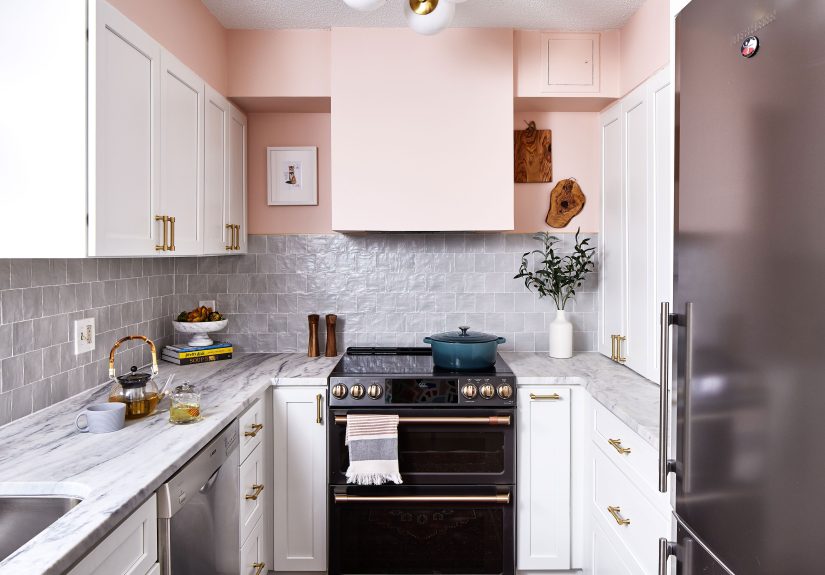
The good news: a small kitchen can absolutely look stylish, feel welcoming, and work hard without a full renovation. In fact, compact kitchens often look better when they’re thoughtfully decorated because they force you to edit, prioritize, and choose pieces that earn their keep. Below are 47 small kitchen decor ideas that deliver real visual impact while respecting your square footage, your budget, and your patience.
How to Make a Small Kitchen Look Styled (Not Stuffed)
Before we jump into the list, keep this rule in mind: in a small kitchen, decor should usually do one of three thingsadd light, add function, or add personality. Bonus points if it does all three. That means your pretty cutting boards can also be your prep station, your open shelves can display your best dishes, and your rug can warm up the room while hiding the fact that you dropped coffee there this morning.
47 Small Kitchen Decor Ideas for Big Style
Color, Light, and Visual Space
- Choose a bright base palette. Soft whites, warm creams, pale grays, and light greens help a compact kitchen feel airy. If your kitchen gets limited sunlight, lighter tones can do a lot of heavy lifting.
- Try a “color through accessories” strategy. Keep cabinets and walls neutral, then add color with dishes, tea towels, runners, and art. It’s easy to change later without repainting your life away.
- Use one bold color intentionally. A small kitchen can handle a rich paint color surprisingly wellthink deep sage, mustard, aubergine, or navyespecially when the rest of the finishes stay simple and cohesive.
- Pick reflective finishes to bounce light. High-gloss cabinetry, glossy tile, polished metal accents, and glass-front pieces help reflect light and visually expand the room.
- Add a mirrored backsplash (or mirror accent). This is a classic small-space trick for a reason. It reflects light, adds depth, and can make a narrow kitchen feel noticeably less tunnel-like.
- Layer lighting instead of relying on one ceiling light. Combine overhead lighting with under-cabinet lights, wall sconces, or a small lamp on the counter to make the room feel warm and intentional.
- Choose visually lighter pendants. If you have an island or peninsula, use pendants with open or transparent shades so the fixture doesn’t feel bulky in the sightline.
- Skip heavy window treatments. Natural light is premium real estate in a small kitchen. If privacy allows, keep windows mostly clear, or mount Roman shades higher to create the illusion of taller windows.
Walls, Backsplashes, and Vertical Drama
- Run your backsplash higher than expected. Taking tile to the ceiling (or at least to the underside of open shelves) adds polish and makes the kitchen look more custom.
- Use peel-and-stick backsplash for renter-friendly style. It’s a smart way to add pattern and personality without committing to a full demo or a very awkward landlord conversation.
- Install a pegboard wall. Pegboards are functional, customizable, and genuinely charming. They store tools, pans, and baskets while also turning your kitchen gear into decor.
- Add a slim wall rail system. Pot rails, mug rails, and utensil bars free up drawer space and create a “working kitchen” look that feels curated instead of cluttered.
- Hang art in the kitchen. Yes, even in a tiny one. A framed print, a small painting, or a food-themed sketch adds personality and makes the room feel like part of the homenot just the appliance zone.
- Use wall-mounted planters or herb holders. You get greenery without sacrificing counter space. Plus, fresh herbs make you look like someone who has their life together.
- Decorate above cabinets sparingly. If you have that awkward gap above upper cabinets, use a few baskets, vases, or seasonal accents. Keep it edited so it reads styled, not storage overflow.
Shelving and Storage That Looks Good
- Use open shelves thoughtfully. Put everyday items on lower shelves and display-worthy items up high. This keeps the space functional while still looking polished.
- Style shelves with a repeat palette. Repeat metals, colors, or materials (like brass + white ceramics + wood) so the display feels intentional instead of random.
- Mix practical and decorative pieces. Stack bowls next to a framed photo, add a cookbook beside a jar of utensils, or pair a canister with a plant. The mix gives warmth without waste.
- Use shallow baskets and trays on counters. Corral oils, spices, coffee supplies, or fruit so the counter feels organized. Grouping creates a “styled vignette” instead of “I ran out of cabinet space.”
- Create an appliance garage if possible. A small niche, cabinet lift-up door, or repurposed pantry section can hide the toaster and blender, instantly making a small kitchen feel calmer.
- Add a narrow rolling cart. A slim cart beside the fridge or in an unused corner can store glassware, pantry items, or linens while doubling as a decorative display.
- Use pull-out storage in skinny gaps. That weird sliver beside a cabinet? It can hold a pull-out spice rack, pantry tower, or tray storage instead of collecting dust and regret.
- Hang knives on a magnetic strip. It frees drawer space and adds a clean, chef-y look. Just keep the strip aligned neatly so it looks intentional.
- Store pretty cookware where you can see it. If your kettle, Dutch oven, or mixing bowls are attractive, let them decorate the space. Functional decor is the small-kitchen superpower.
Counters, Appliances, and Work Surfaces
- Choose small-scale appliances when replacing old ones. Compact microwaves, narrow dishwashers, and multi-use countertop ovens can free up precious inches without sacrificing performance.
- Look for combination appliances. One appliance that can toast, bake, and convection-cook reduces visual clutter and makes your countertop work smarter.
- Consider a cabinet-depth refrigerator. It can be a game-changer in a tight kitchen because it doesn’t jut out as much, which improves traffic flow and visual line.
- Keep one “blank” prep zone. Not every inch needs decor. A small stretch of clear counter makes the room feel bigger and keeps cooking practical.
- Decorate counters with useful layers. Lean cutting boards, stack everyday bowls, or add a fruit bowl. These pieces add texture while still being easy to grab and use.
- Fill awkward corners with one statement piece. A vase, sculpture, lamp, or larger canister can anchor dead space better than five tiny objects fighting for attention.
- Use a sink cover or over-sink board if space is tight. It expands prep space and helps a tiny kitchen function like a larger one during busy cooking sessions.
Furniture, Layout, and Seating Tricks
- Swap a bulky island for a compact cart or worktable. A freestanding piece gives you prep space and style while keeping the room flexible.
- Try a rolling island on casters. It’s ideal for small kitchens because you can move it when you need more floor space (or when three people decide to “help” at once).
- Use a fold-down leaf or fold-away shelf. These expand your surface area when needed and disappear when they’re not, which is basically small-space magic.
- Choose a round bistro table for tiny eat-in kitchens. Round tables improve flow, soften hard lines, and often seat more comfortably than a square table in a tight nook.
- Add a slim banquette with hidden storage. Bench seating can turn an awkward corner into a cozy breakfast spot while storing linens, small appliances, or rarely used dishes.
- Use stools that tuck completely under counters. This keeps visual clutter down and makes walkways feel less crowded.
- Angle or downsize an island for better flow. A smaller footprintor a slightly adjusted orientationcan dramatically improve movement around the kitchen.
- Rethink doors in tight spaces. If a swinging door makes the kitchen feel cramped, removing it (or replacing it with a pocket/sliding option) can open up the room fast.
Textiles, Accessories, and Personality
- Add a runner or washable rug. Rugs bring pattern, warmth, and color without taking wall or counter space. In one-wall kitchens, they also help define the cooking zone.
- Upgrade dish towels and linens. The fastest decor win in the world: fresh, coordinated kitchen textiles. They’re affordable, practical, and instantly make the room look cared for.
- Use decorative hardware like jewelry. Knobs and pulls can shift the whole style of a kitchen. In a small space, pick one consistent finish for a tidier, more cohesive look.
- Swap in a stylish faucet. A faucet is both utility and focal point. A modern pull-down or a classic bridge style can elevate the sink area quickly.
- Bring in greenery. A pothos on a shelf, basil by the window, or a small trailing plant above cabinets adds life and softness to a room full of hard surfaces.
- Curate a small “kitchen vignette.” Try a tray with salt cellar, oil bottle, pepper mill, and a tiny vase. One controlled vignette feels chic; ten loose items feel chaotic.
Big-Impact Finishing Moves
- Paint cabinets before replacing them. A fresh cabinet color is one of the most budget-friendly upgrades with a major visual payoffespecially when paired with updated hardware.
- Add one statement light fixture. Even a small kitchen can carry a dramatic pendant or compact chandelier. It gives the room a focal point and makes the space feel designed.
Bonus idea that still counts because we promised 47:
- Edit ruthlessly. The best small kitchen decor idea is often subtraction. Keep what is useful, beautiful, or meaningfuland let the rest go live somewhere else.
What Makes These Ideas Work So Well in Small Kitchens?
Most of these ideas succeed because they reduce visual noise while increasing usefulness. Small kitchens feel stylish when there’s a clear rhythm: repeated finishes, controlled color, smart storage, and a few standout decorative moments. Instead of trying to recreate a giant show kitchen, the goal is to make your compact kitchen feel deliberate, personal, and easy to use on a Tuesday night when you’re hungry and tired.
Another key theme is vertical thinking. In a tiny kitchen, walls are not just wallsthey’re storage, display, lighting opportunities, and style real estate. Pegboards, rails, shelves, art, and mounted planters all help you move function upward so the counters can breathe.
500+ Words of Real-World Experience With Small Kitchen Decorating
If you’ve ever tried decorating a small kitchen, you already know the emotional roller coaster. It usually starts with optimism (“I’ll just add a few cute touches”), followed by mild confusion (“Why does this look busier, not better?”), and ends with a late-night purge of mismatched mugs. The experience is incredibly common, and honestly, it’s part of the process.
One of the most useful lessons people learn is that small kitchens punish indecision but reward systems. In larger kitchens, you can hide a lotextra gadgets, duplicate tools, random serving bowls, trendy decor pieces that looked good online at 1 a.m. In a small kitchen, every item is a roommate. If it doesn’t have a job or a designated spot, it starts causing trouble immediately. That’s why simple changes like trays, shelf styling, and consistent hardware make such a big difference: they create structure.
Another common experience is realizing that “more storage” doesn’t always mean “more cabinets.” Many people see the best results when they add open or semi-open storage in strategic places: a rail for utensils, a narrow cart beside the fridge, or a pegboard for tools used daily. These solutions often work better than cramming everything behind doors because they improve access. The kitchen becomes easier to cook in, not just prettier to photograph.
Lighting is another area where real-life experience changes opinions fast. A lot of small kitchens have one overhead fixture that makes everything look flat and slightly sad. Once people add even one extra layerunder-cabinet lighting, a small sconce, or a warmer bulb in a decorative fixturethe whole room feels more expensive. It’s not just aesthetics, either. Better lighting makes prep safer, cleanup easier, and the space more inviting when you’re grabbing coffee early or cooking late.
Color is where people tend to be most nervous. Some are afraid to go bold because they think a small kitchen must be white to feel open. Others go too bold in too many places and end up with visual chaos. The best real-world results usually come from choosing one “lead move”: bold cabinets, bold walls, or a bold backsplashthen letting the rest of the kitchen support it. That balance keeps the space lively without making it feel crowded.
Renters, especially, often discover that small kitchen style is really about portable upgrades. A washable runner, upgraded textiles, countertop lamp, removable backsplash, framed art, and a few beautiful utility pieces can completely change the mood of a kitchen without touching the layout. These changes are low-risk, budget-friendly, and surprisingly effective.
Finally, there’s the biggest experience-based truth: small kitchens don’t need to imitate large kitchens to feel successful. They work best when they embrace their own scale. A tiny breakfast nook, a compact island cart, a shelf of everyday dishes, a beautiful faucet, a plant by the windowthese details create a kitchen that feels charming, functional, and genuinely lived in. And that kind of style lasts longer than any trend.
Conclusion
The best small kitchen decor ideas are the ones that make your kitchen easier to use and nicer to look at. Start with light, clear the counters, use your walls, and add personality in layers. You don’t need a massive renovation budget or a magazine-sized floor plan to create a kitchen with big stylejust smart choices, a little editing, and maybe a cute rug that can survive spaghetti night.