Table of Contents >> Show >> Hide
- The call that started it all
- What police say happened inside the home
- When “hungry and thirsty” is a siren, not a snack request
- Domestic violence: the danger that often hides behind closed doors
- Food insecurity in America: common, quiet, and often invisible
- What to do if a child asks you for food, water, or help
- How communities can prevent tragedies before they become headlines
- Experiences From the Field: What Responders Say (and what they wish everyone knew)
- Conclusion: Pay attention to the small alarms
Three tiny voices asked for something painfully simplefood and water. What happened next is the kind of story that sticks to your ribs, and not in a good way.
A lot of tragedies don’t begin with sirens. They begin with a knock on a neighbor’s door, a small child with big eyes, and a sentence no toddler should have to say out loud:
“We’re hungry. We’re thirsty.”
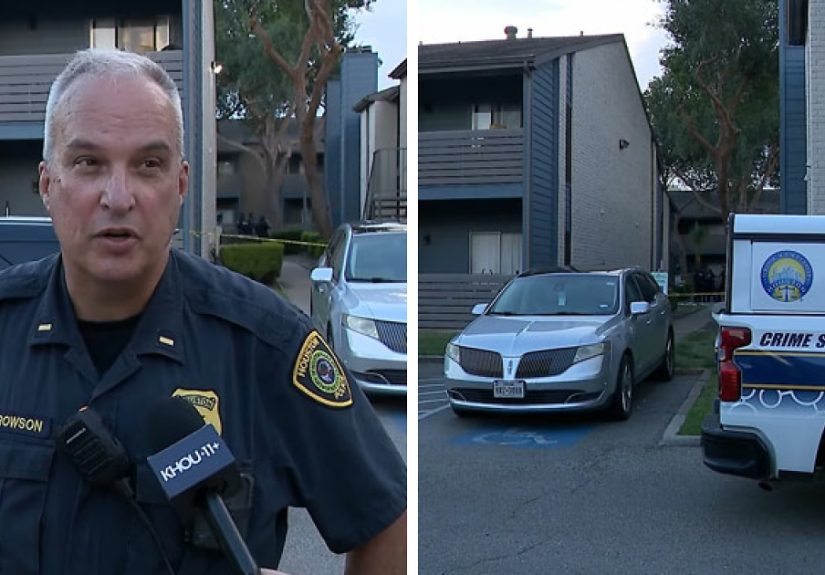
In one widely reported case out of Houston, Texas, three toddlersbarely out of the “I can sort of count to three” stagewere found outside their apartment complex looking for food.
Concerned neighbors called police. The children then led officers back to their unit, where investigators discovered a heartbreaking scene inside: their parents were dead, and police said the circumstances appeared consistent with a murder-suicide.
The details are devastating. But the bigger takeaway is not just “how could this happen?” It’s also:
What do we do when kids show up asking for help?
How do we spot warning signs earlier?
And how do we respond without making things worse?
This article breaks down what’s publicly known about the incident, why “hungry and thirsty” is a flashing red warning light, and what practical steps communities can takebecause the truth is,
prevention often looks like ordinary people doing unglamorous things: checking in, making a call, leaving the porch light (and your empathy) on.
The call that started it all
According to multiple reports, neighbors noticed three very young children outside in the heat, asking for food. That’s the kind of moment that scrambles your brain:
kids are supposed to be chasing bubbles, not necessities.
Why neighbors matter more than they think
Neighbors sometimes hesitate to call for help because nobody wants to be “that person.” But here’s the uncomfortable reality:
kids don’t have the power to fix adult emergencies. If a child is wandering unsupervised, seeking food or water, that is not a “mind your business” situation.
In this case, the neighbors did the right thing. They called. Officers responded. And those few minutes of adult action likely protected three children from additional harm.
If there’s a lesson here, it’s that community safety is not a fancy app. It’s a phone call. It’s paying attention. It’s choosing mild awkwardness now over catastrophic regret later.
What police say happened inside the home
Authorities reported that the children led officers to an apartment where two adults were found dead. Police described the situation as an apparent murder-suicide,
and early reports suggested the deaths had occurred roughly a day before the children were found outside.
The children were reportedly physically unharmed and were placed with family or into protective care while the investigation continued.
Because minors are involved, many identifying details were appropriately limited in public reporting.
The hardest part: kids can survive what adults don’t
One of the most gutting elements of stories like this is the contrast: adult catastrophe inside, child survival outside.
Toddlers don’t understand “domestic violence,” “mental health crisis,” or “crime scene.” They understand hungry and thirsty.
And when the adults in charge are no longer able to care for themwhether due to violence, addiction, illness, or abandonmentchildren will do the only thing they can:
look for help wherever help might exist.
When “hungry and thirsty” is a siren, not a snack request
Kids ask for snacks all the time. (“I’m starving” is a phrase invented by children five minutes after dinner.)
But there’s a world of difference between a child wanting Goldfish crackers and a child seeking food because basic needs aren’t being met.
Common signs of possible child neglect
Child welfare experts generally describe neglect as a pattern of failing to meet a child’s basic needsfood, shelter, supervision, medical care, and safety.
Hunger and thirst can be part of that picture, especially when combined with other red flags.
- Frequent hunger (begging for food, hoarding food, scavenging).
- Inadequate supervision (young child left alone or wandering repeatedly).
- Poor hygiene or consistently soiled clothing without a clear reason.
- Untreated medical issues or missed school/appointments without explanation.
- Unsafe living conditions (hazards, extreme clutter, lack of utilities).
Food insecurity vs. neglect: the line can be blurry, but kids still need help
It’s important to say this out loud: not every hungry child is neglected.
Some families are dealing with poverty, job loss, medical bills, or gaps in benefits. Many parents skip meals to feed their kids.
But here’s the key point: even when the cause is hardship and not malice, children still need immediate support.
If a toddler is asking strangers for food and water, the solution is not a debate club. The solution is helpright nowand then figuring out the “why” with professionals.
Domestic violence: the danger that often hides behind closed doors
In the Houston case, police indicated the deaths appeared consistent with a murder-suicidean outcome often connected to intimate partner violence.
Domestic violence doesn’t always look like what people imagine. It can be escalating control, threats, isolation, financial restriction, stalking, and intimidation long before it becomes visible.
Why leaving can be the most dangerous time
People outside a relationship sometimes ask, “Why didn’t she just leave?” (or “Why didn’t he?”)
The better question is: What barriers made leaving unsafe or impossible?
Survivors often stay because of:
housing, money, immigration concerns, fear of retaliation, fear of losing custody, lack of childcare, and a very real belief that trying to leave could trigger worse violence.
Safety planning exists for a reason.
Safety planning isn’t dramaticit’s practical
A safety plan can include small, concrete steps: keeping important documents accessible, having a code word with a friend, identifying a safe room, and knowing where to go in an emergency.
For parents, it can include teaching children how to call for help and where to run if violence erupts.
If you or someone you know is in immediate danger, call 911.
For support (U.S.), the National Domestic Violence Hotline is available, and the 988 lifeline can help during mental health crises.
Food insecurity in America: common, quiet, and often invisible
Stories like this hit harder because they collide with a reality many people don’t see: food insecurity is not rare.
Even families with jobs can struggle when rent rises faster than paychecks, when childcare costs more than a car payment, or when a medical bill shows up like a surprise villain.
How help actually reaches kids
When families are struggling, support can come from multiple directions:
- SNAP (food benefits), WIC (nutrition support for women/infants/children), and school meal programs.
- Food banks and community pantries.
- Faith groups, mutual aid networks, and neighborhood “food share” fridges.
- Healthcare and pediatric offices that screen for food insecurity and connect families to resources.
If you’re a friend, neighbor, or relative trying to help, it’s okay to offer support in ways that preserve dignity:
a grocery gift card, a ride to a pantry, or simply asking, “Do you need help with groceries this week?” without judgment.
What to do if a child asks you for food, water, or help
When a toddler asks you for food, your instincts may swing between panic and overthinking. Here’s a practical approach that prioritizes safety.
Step 1: Meet the immediate needsafely
- If appropriate and safe, offer water and a simple snack (nothing that could be a choking hazard).
- Keep the child in a public, visible place. Don’t move them into your home unless there’s an urgent safety threat.
- Stay calm and use a gentle tone. Kids mirror adult energy like tiny emotional Wi-Fi extenders.
Step 2: Get help quickly
- If the child is alone, appears in danger, or describes violence: call 911.
- If it seems like a non-immediate emergency but still concerning: call your local police non-emergency line or child welfare hotline.
- If the child is with a caregiver who appears impaired, violent, or threatening: prioritize distance and professional help.
Step 3: Avoid confrontation
This is the part people mess up while trying to do the right thing.
Confronting a potentially abusive adult can escalate risk for you and the child.
You don’t need to “investigate.” You need to report what you observed and let trained professionals handle next steps.
Step 4: Document what you observed
Write down the basics: date/time, where you saw the child, what was said, and any immediate concerns (alone, hungry, injuries, extreme heat).
Stick to facts. Avoid assumptions like “the parents are monsters” (even when your emotions are doing cartwheels).
How communities can prevent tragedies before they become headlines
Not every crisis is predictablebut many are preceded by warning signs that get overlooked because everyone is busy,
privacy is valued, and nobody wants to be “nosy.”
Normalize check-ins, especially for families with young kids
A quick “Hey, haven’t seen youeverything okay?” can do more than people realize.
New parents, isolated caregivers, and families facing economic stress may be one conversation away from accessing help.
Support systems beat hero moments
We love a dramatic rescue story, but real prevention is boring (in the best way).
It’s consistent childcare help, rides to appointments, community centers that stay open, and neighbors who don’t disappear when life gets messy.
Know the resources in your ZIP code
Most communities have some combination of:
domestic violence advocacy organizations, crisis hotlines, food pantries, and child welfare services.
The trick is knowing where they are before you need them.
Experiences From the Field: What Responders Say (and what they wish everyone knew)
If you talk to people who respond to family crisespatrol officers, paramedics, social workers, school staff, shelter advocatesyou’ll hear a consistent theme:
the most heartbreaking scenes rarely arrive without a trail of smaller moments that, in hindsight, mattered.
One child welfare worker described it like this (paraphrased): families don’t usually “fall off a cliff” in one day. They slidequietlythrough missed appointments,
unpaid bills, untreated depression, escalating arguments, and isolation. Then something snaps, and suddenly the public sees only the final frame of the film.
First responders often say the words hungry and thirsty hit differently when they come from toddlers. Adults can endure discomfort and explain it away.
Toddlers don’t have that skill. They are blunt instruments of truth. They will ask the nearest adult. They will wander. They will cry. And sometimeslike in the Houston case
their instinct to seek help becomes the very thing that saves their lives.
Teachers and childcare staff often report another reality: many children become experts at hiding hardship.
Some kids act “fine” because chaos is normal to them. Others become unusually quiet, unusually compliant, or unusually protective of siblings.
A school counselor once explained (again, paraphrased) that the “perfect kid” who never causes problems can sometimes be a kid who learned that being invisible is safer.
Domestic violence advocates emphasize something the public often misunderstands: leaving isn’t a single eventit’s a process.
Survivors may attempt to leave multiple times, weighing risk with every step. They may stay because they believe staying keeps the children safer,
or because the alternative is homelessness, losing childcare, or provoking a more dangerous escalation. Safety planning exists because real life is complicated,
not because people love paperwork.
Police officers who’ve handled welfare checks frequently say they wish more people would call sooner.
Many callers apologize“I don’t want to waste your time”and responders often think, “This is exactly why we’re here.”
A welfare check is not a moral accusation; it’s a safety question. When young children are unsupervised, seeking food, or wandering in extreme weather,
time matters more than social comfort.
Finally, nearly everyone in the field agrees on one practical point: communities do better when help is easy to access and shame is kept out of it.
People are more likely to accept a pantry referral than a lecture, more likely to use a hotline than a public confrontation, and more likely to seek help
when they don’t feel like they’ll be punished for admitting they’re struggling.
The hopeful truthyes, there is oneis that intervention doesn’t always require superheroics.
Sometimes it’s a neighbor noticing something off. Sometimes it’s a teacher asking a second question. Sometimes it’s a friend offering a ride to a resource center.
In a world where toddlers should never have to ask strangers for food, the least we can do is make sure there’s always a safe adult who listensand acts.
Conclusion: Pay attention to the small alarms
The headline version of this story is brutal: three toddlers asked for food and water, and police found a devastating scene inside their home.
But the human version is also a warningand a call to action.
If you see young children wandering unsupervised, asking for food, or showing signs of neglect, don’t brush it off as “not my place.”
It is your place to keep kids safe. Make the call. Ask the extra question. Offer the resource.
Because toddlers shouldn’t have to be the ones who raise the alarm. But when they do, we can choose to be the adults who answer.