Table of Contents >> Show >> Hide
- Why a “Pregnancy Belly” Can Stick Around for Two Years
- 1. Build a Boringly Effective Weekly Movement Routine
- 2. Eat for Fat Loss, Energy, and Sanity
- 3. Rebuild Your Core From the Inside Out
- How Long Does It Take to See Results?
- Mistakes That Keep the Belly Stuck
- Common Experiences Women Talk About at the Two-Year Mark
- Final Thoughts
Note: This article is educational and takes a health-first approach. It focuses on sustainable postpartum recovery, not unrealistic body pressure.
Two years after having a baby, many women still look down and think, “Why is this belly still here? Did it sign a lease?” If that sounds familiar, take a breath. A lingering postpartum belly is common, and it is not always about body fat alone. After pregnancy, the midsection can change because of stretched abdominal muscles, a weakened core, changes in posture, sleep deprivation, stress, reduced muscle mass, and sometimes diastasis recti, which is a separation of the abdominal muscles. Translation: your body is not broken. It is adapting, and it may need a smarter strategy instead of harsher punishment.
The good news is that you do not need a boot-camp meltdown, a cabbage-soup phase, or an “abs in 7 days” promise from the internet. If you want to lose pregnancy belly after 2 years, the most effective path is usually a combination of steady movement, practical nutrition, and core recovery. That is the boring answer, which is annoying, because the boring answer is usually the one that works.
Below are three easy ways to make real progress. “Easy” does not mean effortless. It means simple enough to repeat, and repeatable is what changes a body.
Why a “Pregnancy Belly” Can Stick Around for Two Years
Before jumping into solutions, it helps to understand what may be going on. A postpartum belly can be a mix of several things:
- Stored body fat: Pregnancy, stress, and a hectic schedule can make fat loss harder than expected.
- Diastasis recti: The abdominal muscles may still be separated, which can create a bulge or “doming” effect.
- Weak deep core muscles: Your abs may not be coordinating well with your diaphragm and pelvic floor.
- Posture changes: A tucked pelvis, flared ribs, or the classic “carrying a toddler on one hip forever” stance can make the belly appear more prominent.
- Bloating or digestion issues: Sometimes the belly is not fat at all. Sometimes it is dinner staging a protest.
That is why doing a hundred crunches every night often does not do much besides making your neck annoyed. Ab workouts alone do not reliably shrink abdominal fat. What they can do is improve core strength, posture, and the way your midsection looks and feels over time. The goal is not to attack your stomach. The goal is to rebuild the whole system around it.
1. Build a Boringly Effective Weekly Movement Routine
If you want to lose pregnancy belly after 2 years, your first move is not a miracle exercise. It is consistency. A solid weekly routine beats a dramatic once-in-a-while workout every single time.
Start With Walking and Moderate Cardio
Walking is underrated because it is not flashy. No one posts a dramatic “I walked consistently for 12 weeks” transformation video with cinematic music and thunder. But walking works. It helps burn calories, supports stress management, improves cardiovascular health, and is gentle enough to recover from while parenting, working, and functioning like a real human.
A good target is to work toward regular moderate activity across the week. That might look like:
- 30 minutes of brisk walking, 5 days a week
- 20 minutes of cycling after the kids are asleep
- Short stroller walks after meals
- A dance workout in your living room while pretending it is “for the baby”
The best cardio plan is the one you will still be doing next month.
Add Full-Body Strength Training
This is where many moms get stuck. They do cardio, maybe some ab moves, and wonder why their waistline barely changes. Strength training matters because muscle helps improve body composition. It also makes daily life easier, whether that means carrying groceries, lifting a child, or surviving a laundry basket that somehow weighs as much as a compact car.
Focus on full-body exercises two or three times per week:
- Squats or sit-to-stands
- Glute bridges
- Rows with bands or dumbbells
- Step-ups
- Hip hinges or Romanian deadlifts
- Wall push-ups or incline push-ups
- Farmer carries
These moves train the muscles that support posture, metabolism, and everyday strength. They also help the belly look better indirectly because a stronger body burns more energy and holds itself differently.
Make It Easy to Stick To
Instead of building the perfect routine, build the routine you can actually survive. A simple week could look like this:
- Monday: 30-minute walk
- Tuesday: 25-minute strength workout
- Wednesday: 20-minute walk and stretching
- Thursday: 25-minute strength workout
- Friday: 30-minute brisk walk
- Saturday: Optional bike ride, long walk, or active family outing
- Sunday: Rest or mobility work
This is not extreme, and that is exactly the point.
2. Eat for Fat Loss, Energy, and Sanity
The second easy way to lose pregnancy belly after 2 years is to stop treating food like a punishment system. You do not need a cleanse. You need meals that help you stay full, fueled, and less likely to inhale crackers over the kitchen sink at 9:47 p.m.
Center Meals Around Protein and Fiber
Protein supports muscle retention and keeps you fuller longer. Fiber helps with fullness, digestion, and steadier energy. Put them together and suddenly you are less vulnerable to the ancient parenting ritual known as “eating whatever the child left on the plate.”
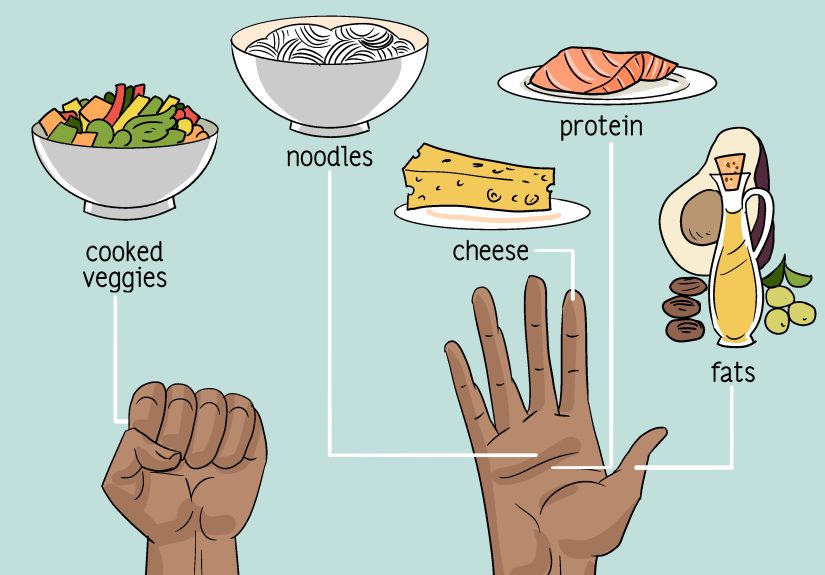
A practical meal formula looks like this:
- Protein: eggs, Greek yogurt, chicken, fish, tofu, beans, cottage cheese, turkey
- Fiber-rich carbs: fruit, oats, potatoes, rice, quinoa, whole-grain bread, beans
- Produce: vegetables or fruit at most meals
- Healthy fats: avocado, nuts, olive oil, seeds
Example meals:
- Greek yogurt with berries, chia seeds, and oats
- Eggs with whole-grain toast and fruit
- Chicken rice bowl with vegetables and avocado
- Salmon, potatoes, and roasted broccoli
- Bean chili with salad and a little shredded cheese
Use “Gentle Deficit” Habits Instead of Extreme Dieting
If your goal is fat loss, you likely need a modest calorie deficit over time. But that does not mean starvation. In fact, eating too little often backfires by increasing fatigue, cravings, and late-night overeating.
Better strategies include:
- Reducing sugary drinks and high-calorie coffee add-ons
- Building meals before snacks, not the other way around
- Serving yourself on a plate instead of grazing from packages
- Including protein at breakfast so hunger does not body-slam you by noon
- Keeping easy, healthy foods visible and convenient
If you are still breastfeeding at two years, aggressive dieting is especially unhelpful. A slower, more balanced approach is safer and more sustainable.
Watch the Sneaky Belly-Fat Saboteurs
Many women are not “eating badly.” They are just exhausted. And exhaustion has opinions. Usually in the form of convenience foods, random snacking, and portions that quietly drift upward. The usual troublemakers are:
- Liquid calories that do not feel filling
- Skipping meals, then overeating later
- Eating like a parent of toddlers, meaning half meals and mystery snacks
- Weekend habits that cancel weekday effort
- Stress eating disguised as “I deserve this,” which, honestly, you probably do, just not every night in family-size form
You do not need perfect eating. You need slightly better patterns repeated often.
3. Rebuild Your Core From the Inside Out
This is the part many “lose belly fat” articles skip, and it is exactly why they are so disappointing. If you still have a pregnancy belly after 2 years, your core may need rehab, not punishment.
Look for Signs of Core Dysfunction
Your belly may be more about core recovery than body fat if you notice:
- A ridge or bulge down the center of your abdomen when sitting up
- Lower back pain
- Pelvic heaviness or pressure
- Leaking with coughing, sneezing, running, or jumping
- A feeling that your core is “disconnected”
- Discomfort around a C-section scar
If this sounds familiar, a pelvic floor physical therapist can be a game changer. This is not a luxury for “serious athletes only.” It can be incredibly helpful for regular moms who just want their core to cooperate again.
Start With Smarter Core Exercises
Good postpartum core work teaches your abs, diaphragm, and pelvic floor to work together. Start with controlled movements such as:
- 360-degree breathing
- Pelvic tilts
- Heel slides
- Marches
- Glute bridges
- Bird-dog variations
- Dead-bug progressions
- Side planks from the knees, if comfortable
The secret is not doing more reps. It is doing them well. Exhale during the effort, keep your ribs from flaring, and stop if you see doming through the midline or feel pressure downward into the pelvic floor.
Do Not Rush Into “Hardcore Abs”
Crunches, long planks, high-impact jumps, and intense ab circuits are not automatically bad. But they are not always the best starting point, especially if you have diastasis recti symptoms or pelvic floor issues. Sometimes the fastest route to a flatter-looking stomach is actually slowing down, rebuilding coordination, and then progressing gradually.
That may not be the glamorous answer, but it is a very effective one.
How Long Does It Take to See Results?
That depends on what is driving the belly. If the issue is mostly fat loss, visible changes often come from several months of consistent nutrition and exercise. If the issue is core weakness or abdominal separation, you may start feeling stronger sooner than you look different. That can be frustrating, but it still counts as progress.
A realistic expectation is this: within 4 to 8 weeks, many women notice better energy, better posture, improved strength, less bloating, and clothes fitting differently. Over 3 to 6 months, changes in the waistline often become more obvious. The body usually responds best to patience, not panic.
Mistakes That Keep the Belly Stuck
- Doing only ab workouts: Your whole body needs training.
- Eating too little: That often turns into overeating later.
- Ignoring sleep and stress: They influence hunger, energy, and weight retention.
- Skipping strength training: Cardio alone is often not enough.
- Assuming it is all fat: Diastasis recti, bloating, and posture matter too.
- Being inconsistent: Three good weeks followed by three chaotic weeks can stall progress.
Common Experiences Women Talk About at the Two-Year Mark
Many women say the hardest part is not the workout itself. It is the confusion. They expected the belly to disappear naturally after the first year, so by year two they start wondering whether something is wrong. Usually, nothing is “wrong” in the dramatic sense. But something often needs attention. One woman may realize she is walking a lot but never strength training, so her weight stays similar and her body composition barely changes. Another may eat pretty well during the day, then over-snack at night because she is mentally cooked and physically tired. Another may discover the lower-belly bulge is tied to diastasis recti and poor core control, not laziness.
A very common experience is feeling stronger before looking different. That can mess with motivation. A mom starts lifting weights twice a week and doing better core work. After a month, the scale is not wildly different, but her back hurts less, she stands taller, and carrying her child feels easier. Then her jeans fit better even though her body weight has barely moved. That is not fake progress. That is real progress. It is just less dramatic than diet-culture marketing would like.
Another common story is the “I finally started eating enough protein” moment. A lot of women have breakfast that is mostly coffee, lunch that is an afterthought, and dinner that turns into a free-for-all because hunger has been building all day. Once meals become more balanced, cravings calm down, evening snacking improves, and fat loss starts moving again. Not because of a magic food. Just because the body likes basic support, which is rude because basic support is not nearly as exciting as a miracle tea.
Some women also notice that sleep and stress are the invisible drivers. Even two years postpartum, life may still be fragmented by parenting demands, work pressure, and the constant mental tabs open in the background. When sleep improves, routines improve. When routines improve, everything gets easier: food choices, workout consistency, recovery, patience, and even digestion. That is why losing pregnancy belly after 2 years is rarely about finding the perfect single trick. It is more like stacking several sensible habits until your body starts trusting the process.
And perhaps the most healing experience women describe is shifting the goal. Instead of obsessing over “getting my old body back,” they focus on becoming strong, capable, comfortable, and confident in the body they have now. Ironically, that mindset often leads to better results. Less punishment, more consistency. Less panic, more patience. Less “I need to fix this immediately,” and more “I am rebuilding this steadily.” It may not sound flashy, but it works in real life, which is where your body actually lives.
Final Thoughts
If you want to lose pregnancy belly after 2 years, remember this: you do not need to go harder. You probably need to go smarter. Start with regular walking or cardio, add full-body strength training, clean up your meals without becoming obsessive, and rebuild your core with intention. If symptoms suggest diastasis recti or pelvic floor dysfunction, get professional help. That is not giving up. That is using the right tool for the job.
Your body built and carried a human being. It does not need shame. It needs a plan. A calm, repeatable, slightly boring plan. And yes, unfortunately, that is usually the one that works best.