Table of Contents >> Show >> Hide
- Bedroom Rug Basics (So You Don’t Commit a Rug Crime)
- 25 Bedroom Rug Ideas to Create a Cozy, Dynamic Space
- 1) Go oversized with a quiet neutral
- 2) Try the “two-thirds under the bed” placement
- 3) Use two runners instead of one big rug
- 4) Add a runner at the foot of the bed
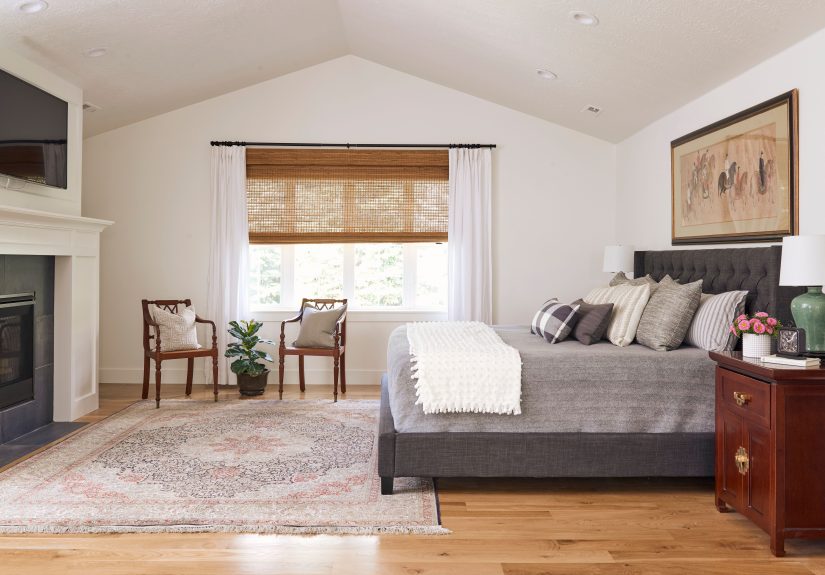
- 5) Choose a vintage-style rug for instant character
- 6) Make a statement with an oversized pattern (but keep the palette calm)
- 7) Go tonal: match the rug to your bedding for a serene look
- 8) Layer rugs for texture and flexibility
- 9) Try a round rug to soften sharp corners
- 10) Pick a plush shag for maximum cozy
- 11) Use a flatweave for easy cleaning (and a crisp look)
- 12) Add a subtle stripe to visually stretch the room
- 13) Choose a Moroccan-inspired pattern for cozy texture
- 14) Go bold with a black-and-white rug (then repeat the color twice)
- 15) Warm up the room with earthy colors
- 16) Try a soft floral for a relaxed, cottage-inspired bedroom
- 17) Add an abstract rug for a modern, artsy vibe
- 18) Put a rug under the dresser to soften the “furniture zone”
- 19) Use a washable rug if life is messy (pets, kids, coffee…you)
- 20) Lean into a coastal look with natural fibers
- 21) Add a faux fur or sheepskin accent at the bedside
- 22) Create a reading nook with its own rug
- 23) Try a checkerboard or grid for playful structure
- 24) Layer a patterned rug over carpet to add depth
- 25) Do a custom cut-and-bound rug for tricky rooms
- Quick Rug Placement Cheat Sheet
- Material & Maintenance Tips for Bedroom Rugs
- Real-Life Rug Experiences ( of “Learn From My Living Room Mistakes” Energy)
- Conclusion
Your bedroom has one full-time job: making you feel like a functional human again. A great rug helpsby warming up cold floors,
softening echo-y spaces, and quietly fixing that “my room feels…unfinished?” vibe. Think of it as the bedroom’s best supporting actor:
it doesn’t steal the show from your bed, but it absolutely changes the ending.
Below are 25 bedroom rug ideas that add comfort and movementplus practical guidance on placement, sizing, materials, and
maintenance so your rug looks intentional (not like it accidentally wandered in from the hallway).
Bedroom Rug Basics (So You Don’t Commit a Rug Crime)
1) Start with function: where do your feet actually land?
Most people want the first step out of bed to feel like a gentle cloudrather than a cold shock that launches you into full consciousness.
So decide whether your rug’s job is:
- Soft landing on both sides of the bed (runners or a large area rug)
- Anchoring the bed and nightstands (larger rug under the bed)
- Defining a zone (reading nook, vanity area, sitting chair)
- Adding texture and style without taking over (flatweave, subtle pattern)
2) Size matters more than pattern (yes, really)
A beautiful rug that’s too small can make the whole room feel “shrunk.” In most bedrooms, bigger tends to look more polished because it
visually anchors the bed. If you’re between sizes, it’s usually safer to go up.
3) Pick the right pile for your real life
- High-pile / shag: ultra cozy, but needs more vacuum love and may not play nicely with doors.
- Medium pile: a sweet spot for comfort and upkeep.
- Low-pile / flatweave: easier to clean, great for allergy concerns, and works well under furniture.
4) Don’t skip the rug pad
Rug pads help reduce slipping, add cushioning, and can help a rug wear more evenly. Translation: your rug stays where it belongs,
and your morning shuffle stays dignified.
25 Bedroom Rug Ideas to Create a Cozy, Dynamic Space
“Dynamic” doesn’t have to mean loud or chaotic. It can mean movement (pattern), depth (texture), and intentional zoningwhile still
feeling calm enough to sleep in.
1) Go oversized with a quiet neutral
A large neutral rug (think warm ivory, oatmeal, or soft greige) makes the room feel finished and hotel-level grounded. Add interest with
texturelike a subtle weave or tonal patternso it’s not just “beige doing nothing.”
2) Try the “two-thirds under the bed” placement
Slide a large rug under the lower portion of the bed so it extends beyond the sides and foot. It frames the bed, gives you that plush landing,
and leaves a clean border around the room so it doesn’t look like wall-to-wall carpeting in disguise.
3) Use two runners instead of one big rug
If furniture placement makes a large rug awkward (or your budget is giving “maybe later”), try a runner on each side of the bed.
It’s practical, symmetrical, and delivers comfort exactly where you step.
4) Add a runner at the foot of the bed
A runner under a bench (or in front of the bed if you don’t have one) creates a strong visual “finish line.” It also adds softness where you
sit to put on shoeslike a tiny VIP lounge for your socks.
5) Choose a vintage-style rug for instant character
A distressed, vintage-look pattern (Persian-inspired, Turkish-inspired, or classic medallion) brings depth and lived-in charmeven in a brand-new
room. It’s especially good if your bedroom furniture leans simple and modern.
6) Make a statement with an oversized pattern (but keep the palette calm)
Want “dynamic” without visual chaos? Pick a bold motif in a restrained color schemelike charcoal on ivory or clay on sand. It reads graphic,
but still restful.
7) Go tonal: match the rug to your bedding for a serene look
Choose a rug that’s in the same family as your beddingsoft blue, sage, warm taupethen add a slightly deeper or lighter tone. This creates a
layered, designed feel without shouting.
8) Layer rugs for texture and flexibility
Layer a larger, durable base (like jute or a flatweave) with a smaller plush rug on top. This trick adds dimension, helps with tricky sizing,
and lets you swap the top rug seasonally for a quick refresh.
9) Try a round rug to soften sharp corners
Round rugs add flow in boxy rooms. Place one near a chair, in a corner reading nook, or under a small bedside table on one side if your layout is
asymmetrical.
10) Pick a plush shag for maximum cozy
If your bedroom is a “no shoes” sanctuary, a shag or high-pile rug can feel unbelievably cozy. Keep the rest of the room simpler so the texture
is the starnot the chaos.
11) Use a flatweave for easy cleaning (and a crisp look)
Flatweaves and low-pile rugs are great if you want something that vacuums easily and fits under doors and furniture without drama.
They also work well in smaller bedrooms where heavy pile can feel bulky.
12) Add a subtle stripe to visually stretch the room
Stripes can make a narrow bedroom feel wider or longer depending on orientation. Keep stripes soft and muted for a calm effect, or go high contrast
for a bolder modern look.
13) Choose a Moroccan-inspired pattern for cozy texture
Beni Ourain–style diamonds and geometric motifs are a classic for a reason: they’re visually interesting, often neutral, and pair well with both
minimalist and boho bedrooms.
14) Go bold with a black-and-white rug (then repeat the color twice)
A high-contrast rug looks intentional when you echo that contrast elsewherelike picture frames, a lamp base, or a throw. Two small repeats are
usually enough to make it feel cohesive.
15) Warm up the room with earthy colors
Rust, terracotta, ochre, and warm browns create a cozy glow, especially with white walls or light bedding. Earth tones also hide everyday lint and
footprints better than very pale rugs.
16) Try a soft floral for a relaxed, cottage-inspired bedroom
A gently patterned floral rug can make a bedroom feel romantic and welcoming without leaning “too precious.” Pair with simple linens so the floor
pattern doesn’t compete with the bed.
17) Add an abstract rug for a modern, artsy vibe
Watercolor-style blends and abstract shapes bring motion and energy. If you’re nervous, choose a design that includes at least one color already
in your room (like the navy from your pillows or the green from your plants).
18) Put a rug under the dresser to soften the “furniture zone”
If your bed is already anchored by a big rug, a smaller one under the dresser can make the room feel layered and complete. It also reduces the
“wood on wood” heaviness of a dresser sitting on bare floors.
19) Use a washable rug if life is messy (pets, kids, coffee…you)
Washable or easy-clean rugs can be game-changing in bedrooms where spills or pet accidents are a possibility. Look for low-pile constructions that
are designed to handle frequent cleaning without helps-it’s-falling-apart vibes.
20) Lean into a coastal look with natural fibers
Jute and sisal bring organic texture and a breezy feel. They’re best in low-mess bedrooms (or paired with a softer top layer near the bed),
because natural fibers can be less forgiving on bare feet first thing in the morning.
21) Add a faux fur or sheepskin accent at the bedside
For a quick cozy upgrade, a small faux fur rug beside the bed feels luxurious and warm. It’s a great “starter rug” if you’re building your bedroom
style slowly.
22) Create a reading nook with its own rug
Place a small rug under a chair and side table to define a cozy corner. This makes the bedroom feel more dynamic (multiple zones) while still
restfullike your bed has a quiet side quest.
23) Try a checkerboard or grid for playful structure
Checker patterns add energy and a modern edge. To keep it from feeling too busy, stick to two colors and keep the rest of the decor more minimal
and textured (linen, wood, matte ceramics).
24) Layer a patterned rug over carpet to add depth
Yes, you can put a rug on carpet. Choose a low- to medium-pile rug with a strong border or pattern so it visually “reads” as a layer. Add a rug pad
(or a grippy underlay) to reduce shifting.
25) Do a custom cut-and-bound rug for tricky rooms
If your bedroom layout is awkwardangled walls, built-ins, or tight clearancescustom sizing can make the rug look perfectly tailored. It’s a
practical way to get that “designer fit” without forcing a standard size to behave.
Quick Rug Placement Cheat Sheet
Common bedroom layouts that actually work
- Large rug under the bed: extend beyond the sides and foot so your feet land on it when you get up.
- Two runners: one on each side of the bed for narrow rooms or platform beds that make under-bed rugs tricky.
- Small rug at the foot: pairs well with benches and adds a finished look.
- Zone rugs: add one for a reading chair, vanity, or dresser area to create layered dimension.
Two small pro moves
- Use painter’s tape to outline a rug size before buying. If it looks too small in tape, it will look too small in real life.
- Leave breathing room between the rug edge and the wall for a clean, intentional border.
Material & Maintenance Tips for Bedroom Rugs
Pick a fiber that matches your lifestyle
- Wool: cozy, resilient, and a classic choice for bedrooms.
- Cotton: soft and casual; often easier to clean, though it can wear faster than wool.
- Synthetics: budget-friendly and frequently easier-care; great if you want low-stress upkeep.
- Jute/sisal: organic texture; best as a base layer or in low-mess bedrooms.
Keep it looking good
- Vacuum regularly (especially along the bed edges where lint loves to gather).
- Rotate the rug every few months to even out wear and sun fading.
- Blot spills fastdon’t rub like you’re trying to erase the evidence.
- Check door clearance before choosing a thick pile rug.
Real-Life Rug Experiences ( of “Learn From My Living Room Mistakes” Energy)
The first time I bought a bedroom rug, I did what many confident-but-wrong people do: I chose the one that looked prettiest online and assumed
“size is probably fine.” Spoiler: size was not fine. The rug arrived, I rolled it out under the bed, and it instantly looked like a decorative
postage stamp trapped in a furniture prison. Most of it disappeared under the bed, and the part that did show was nowhere near where my feet
actually landed. I didn’t buy a rugI bought a hidden pattern sample.
That experience taught me the single most useful rug lesson: outline the rug size first. Painter’s tape is the unsung hero of
bedroom design. You can map out a 6′ x 9′ vs. an 8′ x 10′ in five minutes and instantly see what looks balanced. If the taped outline feels
skimpy, the real rug will feel even skimpierbecause real rugs add shadows, edges, and visual boundaries that make “too small” louder.
My second lesson was about texture. I once picked a gorgeous natural-fiber rug because it looked like a calm, coastal dream. It was…until the
first barefoot morning. Natural fibers can be beautiful, but some of them feel a little scratchy when you’re half-awake and negotiating with your
alarm clock. That’s when layering became my best friend: a sturdier base rug for the look, plus a softer top rug where my feet hit the floor.
Suddenly, I got the aesthetic and the comfortlike having a style degree and a nap at the same time.
Then there was the rug pad era. I used to think rug pads were optional, like fancy tissue paper in a gift bag. But once I tried one, I got it.
The rug stopped creeping around the room like it had errands to run. The whole surface felt softer. And the rug looked more expensive because it
lay flatter and more evenly. It’s the kind of upgrade you don’t notice until you dothen you become the person who talks about rug pads at parties.
Cleaning was my final reality check. Bedrooms feel low-risk, but lint, dust, and mystery crumbs are very real. I learned to love low-pile rugs in
high-use bedrooms because they vacuum easily and don’t trap every speck of life. In cozier, slower bedrooms, a plusher rug feels amazingas long
as you’re willing to vacuum like a responsible adult (or at least like someone who has guests once a year).
The best part? Once you get the size right, the rest becomes fun. Rugs are one of the quickest ways to make a bedroom feel designed: they add warmth,
define zones, and bring in color without repainting a wall. And if you ever doubt a choice, remember the universal design truth:
your feet are honest critics. If it feels good, you’ll love it every morning.