Table of Contents >> Show >> Hide
Fruit gets a bad rap for being “just sugar,” which is kind of like calling a smartphone “just a phone.”
Yes, fruit contains natural sugars. It also comes packaged with water, fiber, vitamins, minerals, and
plant compounds (a.k.a. the reason berries look like tiny jewels and not beige cubes). When you choose
whole fruitfresh, frozen, or even unsweetened driedyou’re getting a snack that can actually do something:
support digestion, help you feel full, and add nutrients many Americans don’t get enough of.
Health organizations consistently point to fruits and vegetables as part of an eating pattern linked with
better heart health and lower risk of some chronic diseases. The big win isn’t one “miracle fruit,” it’s
varietydifferent colors bring different nutrients and antioxidants to the party. Think of this article as
your flavorful “guest list” of fruits worth inviting to your plate more often.
Why fruit is more than a pretty garnish
Whole fruits generally provide fiber (helpful for gut regularity and satiety), potassium (important for normal
body function and blood pressure balance), and vitamin C (immune support and collagen formation). Many fruits
also contain polyphenols and carotenoidsplant compounds associated with antioxidant activity.
Translation: fruit is delicious… and it’s doing chores behind the scenes.
A quick note on “healthy”
“Healthy” depends on you. If you manage blood sugar, certain fruits may work better in certain portions, and
pairing fruit with protein or healthy fats can help steady energy. If you have kidney disease or other medical
conditions, potassium guidance may differ. This article is general nutrition informationalways follow your
clinician’s advice if you have specific restrictions.
20 tasty fruits with real health benefits
Below are 20 fruits with standout nutrients, plus easy ways to eat them so they don’t end up as a forgotten
science experiment in your crisper drawer.
-
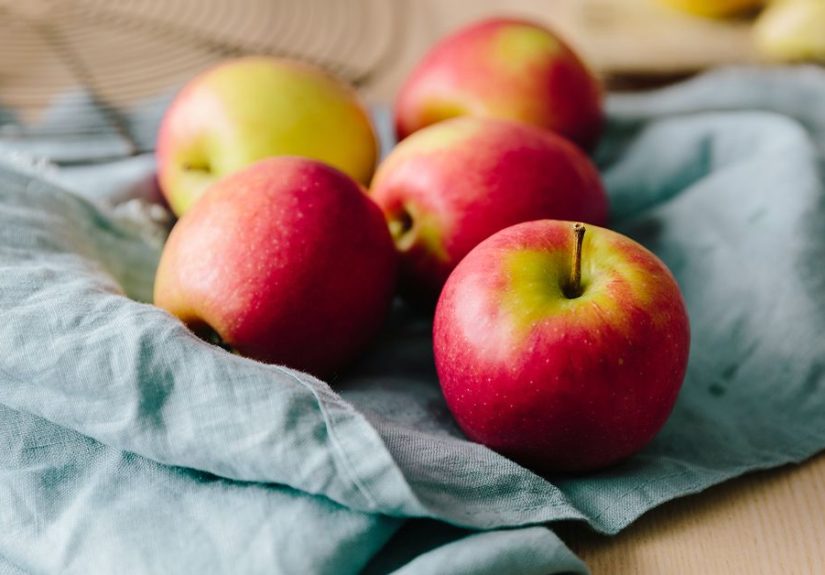
Apples
Apples are a fiber-forward classicespecially if you eat the peel. That fiber supports digestion and can
help you feel satisfied after snacking. Apples also have polyphenols, and their crunchy texture makes them
a “slow snack” (harder to inhale in 20 seconds like chips).Try it: Slice an apple and dip in peanut butter or pair with cheddar for a sweet-salty combo.
-
Bananas
Bananas are known for potassium, plus they’re easy on the stomach for many people. They also provide
carbohydrates that can be handy around workouts or busy school/work days when you need quick energy.
Greener bananas tend to be starchier; riper bananas are sweeter.Try it: Freeze sliced banana coins for a creamy smoothie base (no ice cream required).
-
Blueberries
Blueberries are rich in anthocyaninsthe pigments behind that deep blue-purple color. Research interest
around blueberries often focuses on heart and brain aging support, while they also contribute vitamin C,
vitamin K, and fiber.Try it: Stir into oatmeal or Greek yogurt for “dessert vibes” at breakfast.
-
Strawberries
Strawberries deliver vitamin C and antioxidants in a sweet package that feels like a treat. They’re also
relatively low in calories per cup and can be a great choice for people who want more volume in snacks
without a sugar rush from candy.Try it: Add sliced strawberries to a salad with nuts and a tangy vinaigrette.
-
Raspberries
Tiny but mighty: raspberries are one of the most fiber-rich common fruits. Fiber supports gut health and
can help blunt how quickly carbs hit your bloodstream. Their tart flavor also makes desserts taste “fancy”
even when you did almost nothing.Try it: Toss a handful on top of dark chocolate squares for a two-ingredient “chef’s kiss.”
-
Cherries
Cherries contain polyphenols and are often discussed for exercise recovery and inflammation-friendly eating
patterns. They also deliver potassium. Fresh cherries are seasonal, but frozen cherries make smoothies taste
like a milkshake (minus the regret).Try it: Use frozen cherries in smoothies or thaw and spoon over oatmeal.
-
Grapes
Grapes provide hydration plus beneficial plant compounds (including those concentrated in darker varieties).
They’re naturally bite-sized, which is great for kids and snackersbut it also means portions can disappear
fast. Slow down and enjoy them like the tiny flavor balloons they are.Try it: Freeze grapes for a frosty snack that feels like candy.
-
Oranges
Oranges are famous for vitamin C, which supports immune function and helps the body absorb iron from plant
foods. Whole oranges also offer fiberunlike juice, which is easier to drink quickly and can spike calories.Try it: Add orange segments to a bowl with avocado and a pinch of salt for a bright, savory twist.
-
Grapefruit
Grapefruit is another vitamin C-rich citrus fruit with a tart flavor that wakes up your taste buds like an
alarm clock. It’s also hydrating. Important: grapefruit can interact with some medicationscheck with a
pharmacist if you’re unsure.Try it: Broil grapefruit halves with a sprinkle of cinnamon for a warm, tangy breakfast.
-
Kiwifruit
Kiwi is a vitamin C powerhouse and brings fiber and potassium to the table too. The tiny seeds add a pleasant
crunch, and the bright green color is basically nature’s way of saying, “I contain nutrients.”Try it: Eat it like an apple (yes, with the fuzzy skinif you’re okay with the texture).
-
Pomegranate
Pomegranate arils (those ruby little gems) are packed with polyphenols and antioxidants, often studied for
cardiovascular support. They’re also fun to eatlike edible bubble wrap, but classier.Try it: Sprinkle arils over hummus, salads, or roasted vegetables for sweet-tart crunch.
-
Avocado
Yes, it’s a fruit. Avocado stands out for heart-friendly unsaturated fats plus fiber. Swapping avocado for
foods high in saturated fat is one reason it shows up often in heart-health conversations. It also contains
potassium and fat-soluble nutrients.Try it: Mash avocado on toast, or blend into smoothies for extra creaminess.
-
Pears
Pears are gentle, juicy, and fiber-richespecially when you keep the skin on. Their sweetness makes them
dessert-adjacent, but their nutrition profile keeps them firmly in “smart snack” territory.Try it: Pair pear slices with walnuts for crunch and staying power.
-
Peaches
Peaches offer vitamins, hydration, and that unmistakable summer aroma. Like many orange/yellow fruits,
peaches contain carotenoids. They’re also a gateway fruit for people who “don’t like fruit” (they dothey
just haven’t met peaches at peak season).Try it: Grill peach halves and top with yogurt and cinnamon.
-
Plums
Plums contain fiber and polyphenols, and they’re related to prunes (dried plums), which are well-known for
digestive regularity support. Fresh plums range from sweet to tangy, so you can find your personality match.Try it: Slice plums into oatmeal or chop into salsa with lime and jalapeño.
-
Pineapple
Pineapple brings vitamin C plus the enzyme bromelain, which is often discussed in the context of digestion
and inflammation. It’s also a bold flavor that can make “healthy meals” taste like a vacation.Try it: Add pineapple to tacos or rice bowls for sweet-acid balance.
-
Mango
Mango contains vitamins A and C, along with carotenoids that contribute to its golden-orange color. It’s
naturally sweet, so a little can go a long way in satisfying dessert cravings without turning your snack
into a candy convention.Try it: Dice mango into salsa with red onion and cilantro, then spoon over fish or beans.
-
Papaya
Papaya provides vitamin C and carotenoids, and it contains the enzyme papain, which is associated with
protein breakdown. The flavor is mild and tropicalespecially good with a squeeze of lime to brighten it up.Try it: Top papaya with lime juice and a pinch of chili powder (trust the process).
-
Watermelon
Watermelon is mostly water (shocking, I know), making it excellent for hydration. It also contains lycopene,
a carotenoid found in red produce. Think of it as the fruit version of a refreshing summer playlist.Try it: Add watermelon cubes, feta, and mint for a sweet-salty salad.
-
Cantaloupe
Cantaloupe is rich in vitamin A (as carotenoids) and provides vitamin C and hydration. It’s a great fruit
for people who want something sweet but not overly intense. Bonus: it plays well with both savory and sweet.Try it: Wrap cantaloupe slices with prosciutto for a classic sweet-salty bite.
How to get more benefits (without turning fruit into homework)
1) Choose whole fruit most often
Whole fruit includes fiber and tends to be more filling than juice. Juice can still fit, but it’s easier to
drink a lot of calories quicklyespecially when “one glass” quietly contains the juice of multiple fruits.
If you love juice, consider cutting it with sparkling water and adding whole fruit on the side.
2) Pair fruit for steadier energy
Fruit + protein or healthy fat can keep you satisfied longer. Examples: apple + peanut butter, berries + yogurt,
grapes + nuts, mango + cottage cheese, or orange slices with a handful of almonds.
3) Go for color variety across the week
A practical goal: rotate through berries (purple/blue/red), citrus (orange), melons (green/red), and a tropical
fruit (yellow/orange) so you’re not getting the same nutrient profile on repeat.
4) Frozen fruit is not “second place”
Frozen fruit is picked at peak ripeness and can be just as nutritious as fresh. It’s also budget-friendly,
reduces food waste, and turns smoothies into a legitimate hobby.
of fruit experiences (the real-life part)
If you’ve ever bought fruit with the best intentionsthen watched it slowly evolve into a science projectyou’re
not alone. One of the most common “fruit experiences” is that gap between aspiration and reality. The secret
isn’t stronger willpower; it’s smarter setup. People who consistently eat more fruit tend to keep it visible,
easy, and ready. A bowl of apples on the counter gets eaten. A bag of oranges hidden behind the cereal? That’s
basically a long-term storage plan.
Another common experience: fruit feels different depending on the moment. In the afternoon slump, a banana or
apple can feel like a small resetquick carbs, satisfying texture, and you didn’t need a nap afterward. After a
salty meal, citrus (orange or grapefruit) tastes brighter, like it’s cutting through the heaviness. And in summer,
watermelon can feel like the edible version of turning on the air conditioner. Hydration is one of those benefits
you notice without trying to “track” anything.
Many people also find that fruit helps with the “snack spiral.” You know the one: you’re sort of hungry, you grab
something crunchy, then suddenly you’re considering a second snack because the first snack didn’t do the job.
Fruitespecially high-fiber picks like raspberries, pears, and applesoften hits differently. It’s sweet, but it’s
also bulky and slower to eat. Pair it with yogurt or nuts and it becomes a snack that actually ends the snack
conversation.
Kids (and plenty of adults) often have a “texture phase,” which can make fruit feel like a negotiation. In real
life, the win is flexibility: if strawberries are “too seedy” this week, try grapes. If kiwi is “too squishy,”
try crunchy apples. Frozen fruit can be a lifesaver herefrozen mango chunks or cherries can feel like a treat.
And fruit doesn’t have to be eaten plain. People who say “I don’t like fruit” frequently change their mind when
fruit shows up as salsa, smoothie, or salad topping.
Finally, there’s the experience of seasonality. Fruit tastes better in season, full stop. A summer peach can make
you wonder if you’ve been eating the same food all your life. Seasonal shopping also makes it easier to build
variety: berries and melons in warm months; apples, pears, and citrus when it’s cooler. That natural rotation
keeps flavors exciting and increases the odds you’ll stick with fruit long-termnot because you “should,” but
because it genuinely tastes good.
Conclusion: the healthiest fruit is the one you’ll actually eat
You don’t need a perfect fruit plan. You need a realistic one. Pick a few favorites from this list, keep them
easy to grab, and rotate new options in when you’re bored. Whole fruits can support fiber intake, provide key
vitamins and minerals, and add plant compounds that show up in research on heart and overall health. Plus, they
make snacks feel less like a compromise and more like… well, food that tastes like food.