Table of Contents >> Show >> Hide
- Quick Table of Contents
- Why Pink Foliage Works (and Why It Sometimes “Quits”)
- The 15 Pink-Leaved Plants
- 1) Caladium (Caladium bicolor hybrids)
- 2) Dappled Willow (Salix integra ‘Hakuro-nishiki’)
- 3) Variegated Kiwi Vine (Actinidia kolomikta, often sold as ‘Arctic Beauty’)
- 4) Coral Bells ‘Berry Smoothie’ (Heuchera ‘Berry Smoothie’)
- 5) ‘Shindeshojo’ Japanese Maple (Acer palmatum ‘Shindeshojo’)
- 6) Tricolor Sage (Salvia officinalis ‘Tricolor’)
- 7) Coleus (Coleus scutellarioides)
- 8) Joseph’s Coat ‘Brazilian Red Hots’ (Alternanthera dentata ‘Brazilian Red Hots’)
- 9) Polka Dot Plant (Hypoestes phyllostachya)
- 10) Nerve Plant / Mosaic Plant (Fittonia albivenis)
- 11) Stromanthe ‘Triostar’ (Stromanthe sanguinea ‘Tristar’)
- 12) Inch Plant (Tradescantia zebrina and pink-variegated relatives)
- 13) Rex Begonia (Begonia rex-cultorum)
- 14) Ti Plant ‘Kiwi’ (Cordyline fruticosa ‘Kiwi’)
- 15) Pink Jelly Bean Sedum (Sedum rubrotinctum ‘Aurora’)
- How to Keep Pink Leaves Looking Pink
- Conclusion
- Experiences & Lessons From Pink-Leaved Plants (Extra Section)
- 1) The “Where Did My Pink Go?” Phase Is Real
- 2) Pink Looks “Subtle” Until You Add Too Much of It
- 3) Containers Are the Fastest Way to Get the Look
- 4) Pruning Feels Mean… Until You See the Results
- 5) Humidity Is the Secret Sauce Indoors
- 6) The Most Compliments Come From “Unexpected Pink”
- 7) Subtle Pink Ages Well When You Repeat It
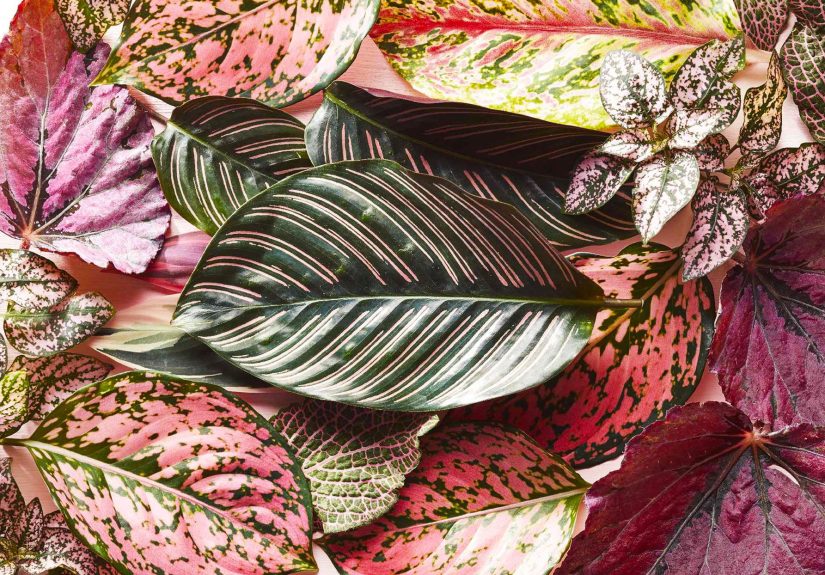
Want a garden (or living room jungle) with a hint of pink that doesn’t scream “cotton candy explosion”? Pink foliage is the cheat code: it adds color even when nothing’s blooming, it plays nicely with greens, and it makes your space look like you hired a designerwithout actually hiring a designer.
The trick is choosing plants whose leaves blush, speckle, stripe, or edge themselves in pink (instead of going full neon). Below are 15 pink-leaved plantssome outdoor, some indoorthat bring that “subtle color” vibe in a way that feels intentional, not accidental.
Quick Table of Contents
- Why pink foliage works (and how to keep it)
- The 15 pink-leaved plants
- How to keep pink leaves looking pink
- Real-world experiences & lessons (extra section)
- SEO tags (JSON)
Why Pink Foliage Works (and Why It Sometimes “Quits”)
Pink leaves act like a built-in accent color. They soften dark evergreens, brighten shady corners, and add contrast next to silver foliage or deep burgundy. But pink foliage can be a little… moody. Some plants lose color in heavy shade, others scorch in harsh sun, and a few will revert toward greener growth if conditions favor it. In plain English: the plant is optimizing for survival, not your aesthetic.
Your job is to give each plant the “Goldilocks light” it likesoften bright shade, filtered sun, or bright indoor lightso it keeps the color while still growing well.
The 15 Pink-Leaved Plants
1) Caladium (Caladium bicolor hybrids)
Caladiums are basically living stained glassmany cultivars feature pink centers, pink veining, or rosy washes that look especially dreamy in shade gardens. They prefer moist, rich, acidic soil in part shade or filtered sun; direct sun can scorch those gorgeous leaves. In warm climates (roughly Zones 8–10), tubers can often overwinter in the ground; elsewhere, gardeners treat them as summer stars and store tubers dry for winter.
Subtle-color styling tip: Pair a soft pink caladium with chartreuse foliage (like sweet potato vine) and one deep purple accent for a “pink but grown-up” palette.
2) Dappled Willow (Salix integra ‘Hakuro-nishiki’)
If you want a shrub that looks like it got a spring manicure, this is it. New foliage can emerge with bright pink flushes, then settles into a creamy white, green, and pink variegated mix. It’s fast-growing and responds well to pruning; late-winter pruning encourages fresh growth and can boost showy variegation. Best color often shows up when summers aren’t brutally hot.
Subtle-color styling tip: Use it as a backdrop behind perennialsits pinky-white variegation reads like a gentle “highlight” rather than a loud block of color.
3) Variegated Kiwi Vine (Actinidia kolomikta, often sold as ‘Arctic Beauty’)
This is a vine with heart-shaped leaves that can be splashed in white and pinklike someone flicked a paintbrush at it. It grows vigorously on trellises, arbors, fences, or pergolas. For best foliage color, give it sun to part shade with minimal shade; too much shade (or overly generous fertilizing) can dull the variegation. It’s dioecious (separate male and female plants), and many gardeners grow it purely for the ornamental foliage.
Subtle-color styling tip: Train it over an entry arborpink variegation overhead feels like a soft, romantic “ceiling” of color.
4) Coral Bells ‘Berry Smoothie’ (Heuchera ‘Berry Smoothie’)
Coral bells are foliage MVPs, and ‘Berry Smoothie’ earns its name with rose-pink leaves that deepen toward purple-pink as they mature. It forms a tidy mound that works in borders, woodland edges, and container designs. If you want pink without the fragility of many houseplants, heucheras are a strong outdoor pick.
Subtle-color styling tip: Repeat this plant in small drifts (3–5) so the color looks intentional rather than like “one random pink plant wandered in.”
5) ‘Shindeshojo’ Japanese Maple (Acer palmatum ‘Shindeshojo’)
This cultivar is famous for a blazing spring flushoften described as flaming scarlet/crimson that can read coral-rose from a distancethen it settles into greener tones in summer before warming again in fall. It prefers sun to part shade and well-drained soil. If you want seasonal pinkish-red leaf drama without relying on flowers, this is a top-tier choice.
Subtle-color styling tip: Place it where you’ll see it in early spring (near a walkway or patio), because that spring color show is the main event.
6) Tricolor Sage (Salvia officinalis ‘Tricolor’)
Yes, it’s culinaryand yes, it’s ornamental. ‘Tricolor’ sage has leaves marbled in gray-green, white, and purple, with pink edging that looks especially sweet in cool weather. It’s compact, aromatic, and useful in the kitchen. Keep it out of consistently wet soil to reduce rot issues.
Subtle-color styling tip: Tuck it into a herb bed or a container where the pink edges can be seen up close (this plant is a “details matter” kind of pretty).
7) Coleus (Coleus scutellarioides)
Coleus is the choose-your-own-adventure of pink foliage. Many varieties mix pink with burgundy, lime, copper, or cream in patterns that range from neat outlines to splashy centers. It’s grown primarily for its colorful, patterned leaves. Because cultivars vary, match your plant to your light: some thrive in shade, many prefer brighter conditions for strong color, and a few handle more sun.
Subtle-color styling tip: For a refined look, choose a coleus with a thin pink margin or a muted rose center instead of a high-contrast neon pattern.
8) Joseph’s Coat ‘Brazilian Red Hots’ (Alternanthera dentata ‘Brazilian Red Hots’)
This one brings hot pink-red variegated leavesyet it can still look surprisingly elegant when used in small doses. It grows in sun to partial shade, but best leaf color shows in full sun. It loves heat and humidity and is drought-tolerant once established. Light trimming encourages bushiness and fresh color.
Subtle-color styling tip: Use it as a “lipstick swipe” in containersone plant is often enough to make the whole pot look designed.
9) Polka Dot Plant (Hypoestes phyllostachya)
If pink confetti were a plant, it would be Hypoestes. The leaves are dotted, speckled, or splashed with pink (and sometimes white or red). It grows well in part shade outdoors as a bedding plant and also works as a houseplant with bright indoor light. Pinching tips keeps it compact and bushy.
Subtle-color styling tip: Pair with plain green foliage so the pink speckles read as “intentional texture,” not visual noise.
10) Nerve Plant / Mosaic Plant (Fittonia albivenis)
Fittonia brings pink through its veinsliterally. It has bold pink veining over green leaves and stays compact, making it great for terrariums, desktops, and small pots. It prefers bright indirect light, higher humidity, and temperatures above the mid-50s °F. Avoid harsh direct sun.
Subtle-color styling tip: Put it in a simple white pot to make the pink veins pop without adding more color to the “scene.”
11) Stromanthe ‘Triostar’ (Stromanthe sanguinea ‘Tristar’)
Stromanthe is like a quiet luxury houseplant: green leaves, dramatic red undersides, and variegation that can include creamy and rosy tones depending on the plant. It grows as a clumping perennial outdoors where hardy, but most people keep it as a houseplant. Give it bright, indirect light and steady, gentle care (it’s not a “set it and forget it” plant).
Subtle-color styling tip: Place it where you’ll catch the red-pink undersidenear a window or at the end of a hallway where light hits from the side.
12) Inch Plant (Tradescantia zebrina and pink-variegated relatives)
Tradescantias are famous for striped leaves and trailing growth. Many forms show purple and silver striping, and some cultivars lean into pink, especially in brighter light. Outdoors, it does best in light shade; indoors, it likes bright light. Let the soil dry slightly between waterings, and don’t be afraid to prunepinching encourages denser growth and easy propagation from cuttings.
Subtle-color styling tip: Use as a trailing “softener” on shelves or in mixed pots where it can spill over the edge like a pink-tinted waterfall.
13) Rex Begonia (Begonia rex-cultorum)
Rex begonias are the showpieces of indoor foliage: spirals, bands, and metallic-looking patterns that often include pinks, rose, or raspberry tones. They do demand better conditionshigh humidity (often 50%+), a porous mix, and careful watering. Let the surface approach dry between waterings; soggy soil can cause trouble fast.
Subtle-color styling tip: Let the begonia be the starpair it with one calm companion plant (like a small fern) rather than competing patterns.
14) Ti Plant ‘Kiwi’ (Cordyline fruticosa ‘Kiwi’)
‘Kiwi’ is a color-layer cake: variegated leaves with bright pink margins and streaks of pale green, chartreuse, and dark green. Outdoors, it’s limited to truly warm regions in the U.S., but indoors it’s a popular statement plant. New leaves can emerge with pinkish tones, and the overall look is bold without being cartoonish (if you keep the rest of the room calm).
Subtle-color styling tip: Put it near neutral décorwhite walls, wood tones, and simple textilesso the pink edges feel like a refined accent.
15) Pink Jelly Bean Sedum (Sedum rubrotinctum ‘Aurora’)
This trailing succulent has jelly-bean-like leaves in pale green, pink, and cream. It’s drought-friendly, likes part sun, and stays compact but can spread as it trails. If your “subtle pink” goal includes low maintenance, this is a great candidate for a sunny windowsill or a sheltered outdoor pot (where climate allows).
Subtle-color styling tip: Use it as a living “pink trim” at the rim of a container, spilling gently over the edge.
How to Keep Pink Leaves Looking Pink
- Dial in light first. Many pink and variegated plants need brighter conditions than all-green plants to maintain dense growth and strong coloration, but too much direct sun can scorch sensitive leaves.
- Don’t over-fertilize. Heavy feedingespecially high nitrogencan push lush green growth and reduce the look you’re aiming for (especially in variegated vines and shrubs).
- Water with the plant’s personality in mind. Caladiums like consistent moisture; succulents like drying out; rex begonias want careful, even moisture without sogginess.
- Pinch, prune, repeat. Coleus, alternanthera, polka dot plant, and tradescantia all get better with pinching. More tips = more branching = more colorful leaves to look at.
- Design hack: limit your pink shades. Pick one “family” (blush/rose/coral) and repeat it 2–3 times. Random pinks can look accidental; repeated pinks look curated.
Conclusion
Pink foliage is the easiest way to add color that lasts longer than a bloom cycle. Whether you want a soft blush in a shady bed (caladiums and heucheras), a pink-and-cream shrub that brightens the whole yard (dappled willow), or a pink-veined houseplant that makes your desk look like a magazine spread (fittonia), there’s a pink-leaved plant that fits the vibe.
Start with one or two, place them where you’ll actually notice the color, and let the pink be an accentnot a takeover. Your plants will be happier, and your design will look intentional (which is the polite way of saying “not chaotic”).
Experiences & Lessons From Pink-Leaved Plants (Extra Section)
Here’s what many gardeners and houseplant keepers discover after living with pink foliage for a whilethink of these as the “field notes” you get without having to learn them the stressful way.
1) The “Where Did My Pink Go?” Phase Is Real
A lot of pink-leaved plants look their best when light is bright but not punishing. Put a polka dot plant in a dim corner and it often turns into a green plant with a faint memory of pink. Move a rex begonia into direct sun and it may respond with crisp edges that look like it got too close to a campfire. The practical experience: you’ll probably move these plants at least once. That’s not failureit’s normal interior design, but with chlorophyll.
2) Pink Looks “Subtle” Until You Add Too Much of It
One pink-edged sage in an herb bed? Charming. Five different pink coleus varieties plus a hot pink alternanthera plus a bright pink caladium? Suddenly your patio looks like it’s sponsored by bubble gum. The experience most people end up preferring: pick one pink style per area. In a shady bed, maybe it’s “rosy caladium + one rose heuchera.” Indoors, maybe it’s “fittonia veins + one rex begonia swirl.” The rest stays green, silver, or deep purple to keep the mood sophisticated.
3) Containers Are the Fastest Way to Get the Look
Pink foliage can be seasonal, tender, or simply easier to control in a pot. Caladiums and coleus are classic container stars, and alternanthera is practically built for patio pots. The real-life advantage of containers is that you can adjust light by moving the pot a few feetno shovel required. If you’re experimenting with “subtle pink,” containers let you test-drive the color without committing an entire garden bed to a new palette.
4) Pruning Feels Mean… Until You See the Results
The first time you pinch back coleus or tradescantia, you might feel like a villain in a plant movie. Then two weeks later, the plant branches out and looks fuller, denser, and more colorfullike it went to a spa and came back with better hair. Many pink-foliage plants reward gentle trimming with fresh growth, and fresh growth often carries the best color. Dappled willow is a big example: pruning isn’t just “maintenance,” it’s part of the color strategy.
5) Humidity Is the Secret Sauce Indoors
If you’ve ever watched a fittonia dramatically wilt like it’s auditioning for a soap opera, you’ve learned the lesson: some pink-leaved houseplants want steady moisture and higher humidity. Rex begonias and stromanthe tend to look best when the air isn’t desert-dry. The experience most people end up with is simple: grouping plants together, using a pebble tray, or running a small humidifier can make the difference between “Instagram plant” and “crispy mystery.”
6) The Most Compliments Come From “Unexpected Pink”
Bright pink flowers are obviously beautifulbut people expect them. Pink leaves catch attention because they’re unusual. A tricolor sage tucked into a kitchen herb pot, or a variegated kiwi vine trained over an arbor, gets the “Wait… what plant is that?” reaction. In practice, the biggest wins often come from using pink foliage in functional places: an herb container, a screen vine, a foundation shrub, or a desk plant you see every day.
7) Subtle Pink Ages Well When You Repeat It
The most “designed” gardens repeat colors at intervals. In real life, that can be as simple as repeating a rose-toned heuchera in two spots, or using the same pink-leaning coleus in multiple containers. Repetition turns pink foliage from “one-off novelty” into “this person knows what they’re doing.” (Even if you’re winging it. Especially if you’re winging it.)