Table of Contents >> Show >> Hide
- Understanding Appetite: Why You Feel Hungry
- 13 Science-Backed Ways to Help Curb Appetite
- 1. Eat More Protein at Meals
- 2. Choose Fiber-Rich Foods
- 3. Use Volume Eating With Low-Energy-Density Foods
- 4. Drink Water Before and Between Meals
- 5. Slow Down Your Eating Speed
- 6. Eat Mindfully, Not Mechanically
- 7. Get Enough Sleep
- 8. Manage Stress Before It Manages Your Snacks
- 9. Exercise Regularly
- 10. Plan Balanced Snacks
- 11. Limit Ultra-Processed Foods
- 12. Be Smart With Caffeine and Spicy Foods
- 13. Keep a Food and Hunger Journal
- What to Avoid When Trying to Reduce Appetite
- Simple Appetite-Curbing Meal Ideas
- Real-Life Experiences: What Appetite Control Looks Like in Practice
- Conclusion
- SEO Tags
Appetite is a little like a group chat: sometimes useful, sometimes loud, and occasionally sending “we need tacos” at 10:47 p.m. But hunger is not just a lack of willpower. It is influenced by hormones, sleep, stress, meal composition, food texture, habits, environment, and even how quickly you eat.
The good news? You do not need a mysterious powder, a celebrity detox, or a refrigerator full of sadness to feel more satisfied. Science supports several practical ways to curb appetite naturally, reduce cravings, and feel full longer while still eating real food. The goal is not to punish your stomach into silence. The goal is to feed your body in a way that helps your brain, gut, and schedule cooperate like adults.
Below are 13 science-backed strategies to help control hunger, support healthy weight management, and build eating habits that do not require heroic levels of self-control.
Understanding Appetite: Why You Feel Hungry
Hunger is the body’s biological signal for fuel. Appetite is broader. It includes desire for food, cravings, emotions, sensory cues, habits, and reward. That is why you can feel physically full after dinner but still hear a cookie whispering from the pantry like it has unfinished business.
Key appetite players include ghrelin, often called the “hunger hormone,” and satiety signals such as leptin, GLP-1, peptide YY, and cholecystokinin. These signals are affected by what you eat, how much you sleep, how stressed you are, and how consistently you fuel your body. Instead of fighting appetite with restriction alone, the smarter approach is to create meals and routines that make fullness easier.
13 Science-Backed Ways to Help Curb Appetite
1. Eat More Protein at Meals
Protein is one of the most reliable nutrients for increasing fullness. It takes more work to digest than simple carbohydrates and helps stimulate gut hormones linked with satiety. A protein-rich meal may also reduce ghrelin, helping you feel satisfied longer after eating.
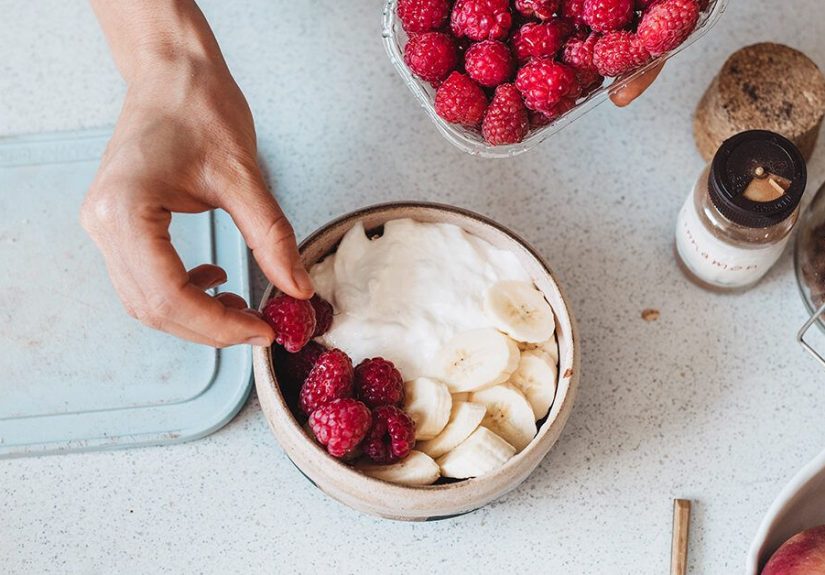
Practical examples include eggs with vegetables, Greek yogurt with berries, chicken breast with roasted vegetables, salmon with quinoa, tofu stir-fry, lentil soup, cottage cheese, turkey, beans, or tempeh. You do not need to turn every meal into a bodybuilder’s lunchbox. Just make sure protein gets an actual seat at the table.
2. Choose Fiber-Rich Foods
Fiber helps curb appetite because it adds bulk, slows digestion, and supports steadier blood sugar. Soluble fiber, found in foods like oats, beans, lentils, apples, chia seeds, and barley, can be especially helpful because it forms a gel-like texture in the digestive tract.
Instead of relying on tiny “diet” meals, build plates around vegetables, fruit, legumes, and whole grains. A bowl of oatmeal with berries and nuts, a bean chili, or a large salad with chickpeas can feel much more satisfying than a low-calorie snack that disappears in three bites and leaves you emotionally betrayed.
3. Use Volume Eating With Low-Energy-Density Foods
Low-energy-density foods provide a larger amount of food for fewer calories because they contain more water and fiber. Think broth-based soups, leafy greens, cucumbers, zucchini, berries, oranges, carrots, tomatoes, and other non-starchy vegetables.
This strategy works because your stomach responds partly to stretch and volume. A big bowl of vegetable soup before a meal or a plate loaded with roasted vegetables can make your meal feel generous without turning it into a calorie landslide. Your brain sees abundance; your body gets nutrients; your appetite receives a polite but firm memo.
4. Drink Water Before and Between Meals
Thirst can sometimes be mistaken for hunger, especially during busy days when coffee is somehow treated as a food group. Drinking water before meals may help some people eat less while still feeling satisfied. It also supports digestion and exercise performance.
A simple habit: drink a glass of water 20 to 30 minutes before meals and keep water visible during the day. If plain water bores you into another dimension, add lemon, cucumber, mint, or berries. Just be cautious with sugary drinks, which can add calories without providing much fullness.
5. Slow Down Your Eating Speed
Eating quickly can outrun your fullness signals. The stomach and brain need time to communicate, and when you eat at “airport layover speed,” you may consume more before satiety catches up.
Try putting your fork down between bites, chewing more thoroughly, using smaller utensils, or taking a few breaths halfway through the meal. You can also check in with yourself at the 50% and 75% points: “Am I still hungry, or am I just enjoying the mission?” Slower eating is not about being fancy. It is about giving fullness a chance to arrive before dessert files an application.
6. Eat Mindfully, Not Mechanically
Mindful eating means paying attention to hunger, fullness, taste, texture, and emotional triggers without judgment. It can help reduce impulsive eating, emotional eating, and the “I accidentally finished the entire bag while watching one episode” phenomenon.
Start with one meal or snack per day. Sit down, remove obvious distractions, notice the first few bites, and ask whether you are physically hungry or responding to stress, boredom, fatigue, or habit. Mindful eating does not require candles, flute music, or pretending a raisin is a spiritual mentor. It simply means being present enough to make a choice.
7. Get Enough Sleep
Poor sleep can increase appetite and cravings, particularly for high-calorie, high-carbohydrate foods. Sleep deprivation may affect hunger and fullness hormones, making you feel hungrier and less satisfied after eating.
If cravings are intense at night, do not only blame your pantry. Look at your sleep routine. A consistent bedtime, dimmer screens in the evening, a cooler room, and a wind-down ritual can help. Getting better sleep may not make broccoli taste like pizza, but it can make appetite easier to manage the next day.
8. Manage Stress Before It Manages Your Snacks
Stress can increase appetite for some people and push cravings toward highly rewarding foods like sweets, chips, and fast food. Cortisol, emotional fatigue, and decision overload can make the brain look for quick comfort.
Build a short “pause plan” before stress eating: drink water, take a five-minute walk, breathe slowly, text a friend, stretch, or ask, “What do I actually need right now?” Sometimes the answer is food. Sometimes it is rest, reassurance, or a break from the spreadsheet that appears to have been designed by a raccoon.
9. Exercise Regularly
Physical activity supports appetite regulation, mood, blood sugar control, and weight maintenance. Some workouts may temporarily reduce hunger hormones, while consistent exercise can improve the body’s ability to use energy efficiently.
Aim for a realistic routine: brisk walking, cycling, swimming, dancing, strength training, hiking, or anything that gets you moving without making you dread your own calendar. Strength training is especially helpful because maintaining muscle supports metabolism. Bonus: after a workout, many people are more motivated to choose foods that help them feel good rather than foods that require a nap and a public apology.
10. Plan Balanced Snacks
Snacking is not the enemy. Random grazing, however, can make appetite feel chaotic. A balanced snack includes protein, fiber, or healthy fat, which helps keep hunger stable between meals.
Good options include Greek yogurt with berries, apple slices with peanut butter, hummus with vegetables, cottage cheese with fruit, a boiled egg with whole-grain crackers, edamame, or a small handful of nuts. Compare that with a snack made mostly of refined carbs, which may taste great but often leaves you searching for “just one more thing” 20 minutes later.
11. Limit Ultra-Processed Foods
Ultra-processed foods are often engineered to be easy to overeat. They may combine refined carbohydrates, fats, salt, and flavorings in ways that make stopping difficult. They are also often softer and faster to eat, which can reduce the time your body has to register fullness.
This does not mean you must live a life without chips, cookies, or frozen pizza. It means making whole and minimally processed foods your default: lean proteins, vegetables, fruits, beans, whole grains, nuts, seeds, dairy or fortified alternatives, and healthy fats. Keep the fun foods, but do not ask them to run the entire nutrition department.
12. Be Smart With Caffeine and Spicy Foods
Caffeine and capsaicin, the compound that gives chili peppers their heat, may have modest effects on appetite and energy expenditure for some people. Coffee or tea can be part of a healthy routine, and adding spice to meals may make food more satisfying.
But “modest” is the key word. Caffeine is not a meal, and hot sauce is not a personality replacement. Too much caffeine can worsen anxiety, sleep, reflux, or jitters, which may backfire on appetite control. Use these as small helpers, not magic buttons.
13. Keep a Food and Hunger Journal
A food journal does not need to be obsessive. It can be a simple awareness tool. Track what you ate, when you ate, your hunger level before and after, your sleep, and any emotional triggers. Patterns usually appear quickly.
You might notice that skipping breakfast leads to a snack attack at 4 p.m., or that late-night cravings are stronger after poor sleep. You may discover that a protein-rich lunch keeps you full for hours, while a sweet drink with a pastry leaves you hungry by the next meeting. Information is power, especially when your appetite has been operating like a mystery novel.
What to Avoid When Trying to Reduce Appetite
Do Not Starve Yourself
Extreme restriction often increases hunger, cravings, irritability, and overeating later. A plan that requires you to ignore your body all day is not discipline; it is a setup. Choose meals that are satisfying enough to sustain your life, work, workouts, and mood.
Be Careful With Appetite Suppressant Supplements
Many supplements promise dramatic appetite control, but evidence and safety can vary widely. Some may interact with medications or cause side effects. If you are considering any appetite suppressant product, talk with a healthcare professional first, especially if you have high blood pressure, heart disease, diabetes, anxiety, pregnancy, breastfeeding, or a history of eating disorders.
Know When Hunger Needs Medical Attention
Persistent extreme hunger, sudden appetite changes, unintentional weight loss, binge episodes, or fear of eating can signal an underlying medical or mental health issue. Appetite is not just a wellness topic; it can be a health clue. Getting help is not overreacting. It is maintenance for the only body you get.
Simple Appetite-Curbing Meal Ideas
- Breakfast: Greek yogurt with berries, chia seeds, and walnuts.
- Lunch: Grilled chicken or tofu salad with beans, avocado, and a vinaigrette.
- Dinner: Salmon, roasted vegetables, and quinoa or lentils.
- Snack: Apple slices with peanut butter or hummus with carrots.
- Pre-meal helper: A bowl of broth-based vegetable soup or a large side salad.
The best appetite-control meals usually include protein, fiber, water-rich produce, and enough flavor to prevent rebellion. Bland “diet food” is not required. In fact, it is often the reason people quit. Season your food. Add herbs, spices, citrus, garlic, vinegar, mustard, salsa, or a little olive oil. Satisfaction matters.
Real-Life Experiences: What Appetite Control Looks Like in Practice
In real life, curbing appetite is rarely about one perfect trick. It is more like tuning a guitar: adjust a little here, tighten a little there, and eventually the whole thing stops sounding like a raccoon trapped in a banjo. Many people discover that their hunger feels out of control not because they lack motivation, but because their daily routine is accidentally designed to create cravings.
For example, someone who skips breakfast may feel proud at 9 a.m. and absolutely feral by 3 p.m. By then, the body wants fast energy, the brain wants comfort, and the vending machine suddenly looks like a close personal friend. A more effective approach might be a breakfast with eggs, fruit, and whole-grain toast or Greek yogurt with oats and berries. The calories may be higher in the morning, but the day becomes easier because hunger is not chasing the person through every meeting.
Another common experience is confusing tiredness with appetite. Many people notice that cravings are louder after a short night of sleep. The desire is not always for a balanced meal; it is often for chips, pastries, sweet coffee drinks, or anything that delivers quick pleasure. Improving sleep can feel surprisingly powerful. Even moving bedtime 30 minutes earlier, reducing late-night scrolling, or keeping a consistent wake time may make next-day appetite feel less dramatic.
Stress eating is also extremely common. Imagine someone finishing a long day, opening the fridge, and searching for something without knowing what they want. That is often not stomach hunger. It may be mental overload. A useful practice is the “ten-minute reset.” Before eating, pause and do something short: walk outside, take a shower, breathe deeply, tidy one small area, or make tea. If hunger remains, eat a planned snack or meal. If the urge fades, the body may have needed decompression more than food.
People also tend to underestimate the power of meal texture and volume. A tiny processed snack can be gone in seconds, while a bowl with grilled chicken, beans, crunchy vegetables, salsa, and avocado takes longer to eat and feels more substantial. The second option gives the mouth, stomach, and brain more time to register satisfaction. Appetite control often improves when meals look and feel generous rather than miniature and miserable.
Food journaling can be another eye-opener. Not the kind that turns eating into a math exam, but a simple note: hunger level, meal, mood, sleep, and fullness afterward. After a week, patterns become obvious. Maybe lunch needs more protein. Maybe afternoon cravings happen on high-stress days. Maybe sugary drinks are sneaking in without providing fullness. Once you see the pattern, you can fix the system instead of blaming yourself.
The most sustainable experience is this: appetite becomes easier to manage when eating feels structured, satisfying, and flexible. You can still enjoy pizza, birthday cake, fries, or popcorn at the movies. The difference is that these foods become part of life rather than emergency responses to unmanaged hunger. Science-backed appetite control is not about becoming a robot who prefers celery to joy. It is about building habits that help your body feel fed, your mind feel calm, and your snack drawer stop acting like it has legal custody of your attention.
Conclusion
Learning how to curb appetite is not about tricking your body or winning a staring contest with a sandwich. It is about using science to work with your biology. Protein, fiber, water-rich foods, sleep, exercise, slower eating, mindful habits, and stress management all support better appetite regulation. These strategies help you feel full longer, reduce cravings, and make healthier choices without turning meals into a punishment.
Start with one or two changes. Add protein to breakfast. Drink water before meals. Build bigger plates with vegetables and fiber-rich foods. Go to bed a little earlier. Take a walk when stress cravings hit. Small, repeatable habits are more powerful than dramatic plans that collapse by Wednesday.
Your appetite is not the enemy. It is information. When you listen carefully and respond wisely, hunger becomes easier to manageand your body does not have to shout to be heard.