Table of Contents >> Show >> Hide
- What Is Mangosteen, Exactly?
- 1. Mangosteen Adds Fiber to Your Day
- 2. It Delivers Antioxidants, Including Xanthones
- 3. It May Help Support a Healthier Inflammation Response
- 4. Mangosteen Provides Copper and Folate
- 5. It May Support Blood Sugar Management
- 6. It May Be Helpful for Weight Management
- 7. It May Offer Heart-Friendly Potential
- 8. It May Support Gut Health
- 9. It Shows Promise for Oral Health
- 10. It May Help Support Skin Health
- 11. It Has Exciting Research Potential Beyond Basic Nutrition
- How to Eat Mangosteen
- Who Should Be Careful With Mangosteen?
- The Real-World Experience of Eating Mangosteen
- Final Thoughts
- SEO Tags
If mango is the life of the party, mangosteen is the cool guest who shows up late, looks fabulous, and quietly steals the spotlight. This tropical fruit, known for its deep purple rind and soft white segments, has long been prized for its sweet-tart flavor and its reputation as a wellness favorite. But beyond the dramatic shell and “queen of fruits” nickname, what does mangosteen actually bring to the table?
Quite a bit, actually. Mangosteen contains fiber, copper, folate, and a class of plant compounds called xanthones, which have made researchers very curious. At the same time, this is where it helps to keep one foot on the ground: mangosteen is nutritious, but it is not magic. Some of its biggest health headlines come from early studies on extracts, juices, or supplements, not huge real-world trials on people eating the fresh fruit every day.
That said, mangosteen can absolutely earn a place in a healthy eating routine. Here’s a smart, practical look at 11 health benefits of mangosteen, plus how to eat it without staring at the rind like it personally offended you.
What Is Mangosteen, Exactly?
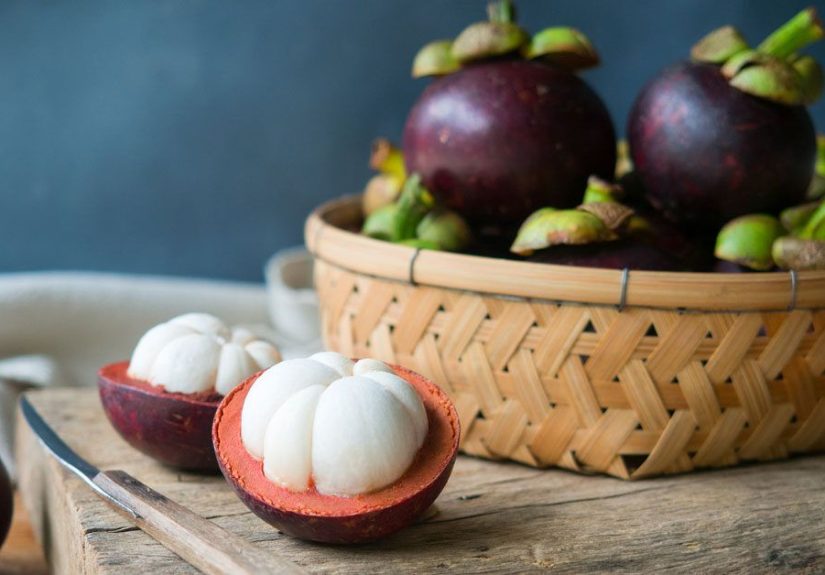
Mangosteen is a tropical fruit native to Southeast Asia. It has a thick purple rind that protects tender white flesh inside, usually arranged in soft segments like a tiny citrus fruit. The taste is often described as a mix of peach, lychee, strawberry, and a whisper of citrus. In other words, it tastes like vacation.
Nutritionally, mangosteen is relatively modest in calories while providing useful amounts of fiber and several micronutrients. It is also known for xanthones, antioxidant compounds concentrated more heavily in the rind and in extracts than in the juicy inner flesh.
1. Mangosteen Adds Fiber to Your Day
One of the simplest and most reliable mangosteen benefits is also one of the least flashy: fiber. And frankly, fiber deserves better PR. It supports digestive regularity, helps you feel fuller after meals, and can play a role in healthier cholesterol and blood sugar patterns as part of an overall balanced diet.
If your usual meals lean heavily on refined carbs and not enough produce, adding fiber-rich fruit like mangosteen can help round things out. It is not a miracle reset button, but it is a tasty upgrade from mindlessly inhaling another sad snack bar at 3 p.m.
2. It Delivers Antioxidants, Including Xanthones
Mangosteen’s celebrity status mostly comes from its antioxidant profile. Antioxidants help protect cells from oxidative stress, which is linked to aging and many chronic diseases. Mangosteen contains xanthones, a group of plant compounds that researchers have studied for their antioxidant activity.
This is where mangosteen gets genuinely interesting. Early research suggests xanthones may help neutralize unstable molecules in the body and influence inflammatory pathways. That does not mean eating one mangosteen turns you into a biologically upgraded superhero, but it does mean the fruit contains compounds worth taking seriously.
3. It May Help Support a Healthier Inflammation Response
Chronic low-grade inflammation is associated with a long list of health problems, including heart disease, metabolic issues, and some inflammatory conditions. Laboratory and animal studies have found that mangosteen compounds, especially xanthones, may have anti-inflammatory effects.
The important phrase here is may have. Human evidence is still limited, and many studies use concentrated extracts rather than the fresh fruit. Still, this is one reason mangosteen keeps showing up in health conversations. Think of it as a promising research area, not a substitute for medical care or a balanced diet.
4. Mangosteen Provides Copper and Folate
Mangosteen does more than flirt with antioxidants. It also provides copper and folate, two nutrients your body uses every day for important behind-the-scenes work. Copper helps support energy production, connective tissue formation, and nervous system function. Folate is essential for making DNA and supporting healthy cell growth.
These nutrients may not sound as glamorous as “superfruit powers,” but they matter. Often, the real value of fruit is not one flashy compound. It is the combination of nutrients, fiber, hydration, and plant chemicals working together in a food that is actually enjoyable to eat.
5. It May Support Blood Sugar Management
Mangosteen has been studied for possible effects on insulin sensitivity and blood sugar regulation, especially in extract form. Some small studies suggest mangosteen extract may improve insulin sensitivity in certain adults with obesity or insulin resistance.
That is encouraging, but it does not mean mangosteen should be treated like a stand-alone blood sugar solution. Fresh fruit still contains natural sugars, and sweetened juices or syrup-packed canned versions can add even more. The smarter move is to enjoy mangosteen as part of a meal pattern built around whole foods, protein, healthy fats, and plenty of non-starchy vegetables.
6. It May Be Helpful for Weight Management
This benefit needs a big asterisk and a calm voice. Some research on mangosteen-containing supplements has shown improvements in body weight, waist circumference, or body composition. However, many of those products combine mangosteen with other botanicals, calorie control, and exercise.
So no, mangosteen is not a secret fruit-only shortcut to a beach body. But yes, it can fit into a weight-management plan because it is fruit, it offers fiber, and it can satisfy a sweet craving in a more nourishing way than ultra-processed desserts. That is not hype. That is just good food strategy.
7. It May Offer Heart-Friendly Potential
Because mangosteen contains fiber and antioxidant compounds, researchers have looked at whether it may support heart health. Some early studies suggest possible improvements in inflammatory markers, lipid patterns, or metabolic health. Again, the evidence is still developing, and many findings come from extracts rather than everyday fresh fruit.
What we can say with confidence is that fruit-forward eating patterns tend to support cardiovascular health, and mangosteen can be one more colorful option in that mix. If your plate looks like a beige office carpet, adding purple fruit is rarely a terrible idea.
8. It May Support Gut Health
Fiber and plant compounds are a nice combo for digestive wellness. Fiber helps keep things moving through the digestive tract and supports a healthier gut environment. Some researchers have also explored mangosteen compounds for their effects on the microbiome and gastrointestinal health, though the science is still early.
Fresh mangosteen is not a probiotic supplement, and it should not be marketed like one. But if your gut tends to prefer whole foods over heavily processed snacks, mangosteen can absolutely be part of a friendlier menu.
9. It Shows Promise for Oral Health
One of the more surprising areas of mangosteen research involves the mouth. Small clinical studies and dental research have explored mangosteen-based gels or supplements for gum health, plaque reduction, bleeding, halitosis, and periodontitis support.
That sounds exciting, but context matters. These studies often use formulated products, not just someone casually eating fruit over the sink. Still, the antibacterial and anti-inflammatory properties of mangosteen compounds are the reason this topic keeps coming up. So while it is not a replacement for flossing, it is certainly more interesting than pretending flossing counts as a hobby.
10. It May Help Support Skin Health
Mangosteen has also been studied in skin-related products, especially because of its antioxidant and antimicrobial properties. Some early research suggests mangosteen extract may be helpful in topical products aimed at acne or inflammation.
That does not mean rubbing random fruit on your face is the next dermatology breakthrough. Please do not raid your kitchen like you are filming a chaotic beauty tutorial. But scientifically formulated mangosteen extracts are being explored for skin applications, which adds to the fruit’s growing résumé.
11. It Has Exciting Research Potential Beyond Basic Nutrition
This final benefit is more about possibility than proof. Mangosteen compounds have been studied in laboratories for possible antibacterial, antifungal, anticancer, and neuroprotective effects. That research is interesting and helps explain the fruit’s reputation.
Still, laboratory findings are not the same as proven health outcomes in humans. It is one thing to see how a compound behaves in a petri dish, and another to show that eating the fruit changes disease risk in everyday life. So the honest conclusion is this: mangosteen looks promising, but it should be respected as a nutritious food first, not oversold as a cure-all.
How to Eat Mangosteen
If you have never handled a mangosteen before, the outside can be a little intimidating. It looks like a fruit and a medieval weapon had a child. Thankfully, the inside is much friendlier.
How to open it
Wash the fruit first. Then use a knife to gently score around the thick purple rind or press into the top where the stem was attached. Twist or pull the shell apart carefully. Inside, you will find white segments of flesh.
What to eat
Eat the white flesh and discard the thick rind unless you are using a prepared extract product designed for consumption. Some larger segments may contain seeds, so eat around those if needed.
Easy ways to enjoy mangosteen
- Eat it chilled as a snack
- Add it to fruit salad with pineapple, kiwi, or berries
- Blend it into smoothies for a floral, tropical twist
- Spoon it over yogurt or cottage cheese
- Use it in desserts, sorbets, or tropical salsa
Shopping tips
Choose fruit with a firm but not rock-hard rind. The shell should not feel dried out or cracked. If fresh mangosteen is hard to find, frozen or canned versions may be available, but check labels carefully. Some canned products are packed in syrup, which can raise the sugar content fast.
Who Should Be Careful With Mangosteen?
For most people, eating mangosteen as a fruit is generally fine. But concentrated mangosteen supplements are a different story. Some sources warn that mangosteen may affect blood clotting, which means people taking blood thinners or antiplatelet medications should be cautious. There are also concerns about interactions with certain cancer treatments, and research on pregnancy and breastfeeding safety is limited.
Translation: fresh fruit is one thing, high-dose supplement enthusiasm is another. If you are considering mangosteen extract regularly, especially if you take medications or manage a medical condition, check with a healthcare professional first.
The Real-World Experience of Eating Mangosteen
Let’s talk about something health articles often skip: what mangosteen actually feels like in real life. Not in a supplement ad. Not in a dramatic “ancient secret” headline. Just in the normal, messy, human experience of buying fruit, opening fruit, tasting fruit, and deciding whether it deserves fridge space.
First, there is the anticipation. Mangosteen looks expensive, mysterious, and slightly overqualified. The dark shell suggests either treasure or disappointment. When people try it for the first time, the surprise is usually the same: the inside is delicate, soft, fragrant, and far more elegant than the tough rind would suggest. It feels like a reward for persistence, which is honestly a nice emotional arc for produce.
Then there is the flavor experience. Mangosteen is not aggressively sweet like candy, and it is not sharply tart like some citrus. It lands in a lovely middle zone that feels refreshing, mellow, and almost creamy. Many people describe it as one of those fruits that makes them pause mid-bite and look mildly offended that they have not been eating it for years. It has that effect.
There is also a texture component that matters. The flesh is juicy without being sloppy and tender without turning mushy. It is easy to eat slowly, which oddly makes it feel more luxurious than many everyday fruits. A bowl of cherries can disappear in a blur. Mangosteen tends to make people pay attention.
From a practical wellness perspective, this matters more than it sounds. Foods that are enjoyable are easier to repeat. If a fruit feels special, tastes good, and fits into snacks or light desserts, you are more likely to choose it again. That consistency is where healthy eating habits are actually built, not in dramatic before-and-after promises.
People who regularly add fruit to their day often notice familiar, realistic benefits: feeling a bit more satisfied after snacks, having an easier time choosing produce over ultra-processed sweets, and adding more variety to their meals without forcing it. Mangosteen can play that role beautifully. It is not “life-changing” in the way the internet loves to claim, but it can absolutely make a healthy routine more enjoyable, and that is not a small thing.
There is a cultural experience to it, too. For many shoppers in the U.S., mangosteen still feels like a discovery fruit. Finding it at an Asian market, specialty grocer, or seasonal produce display can turn a routine grocery trip into something a little more adventurous. That kind of curiosity around food often opens the door to eating more diverse plants overall, which is a win for both nutrition and sheer mealtime boredom prevention.
And yes, there is a learning curve. Opening mangosteen neatly takes practice. Some are easy, some behave like tiny stubborn vaults. You may sacrifice a thumbnail. You may question your life choices. But once you get the hang of it, it becomes part of the charm.
In the end, the experience of mangosteen is a great reminder that healthy eating does not have to be joyless, repetitive, or obsessed with optimization. Sometimes it is enough for a fruit to be nourishing, interesting, and delicious. Mangosteen checks those boxes with style.
Final Thoughts
Mangosteen is not just a pretty tropical fruit with a dramatic shell. It offers real nutritional value, including fiber, folate, copper, and antioxidant compounds that have sparked serious scientific interest. Its most believable benefits come from being a fruit that supports a balanced eating pattern, while its flashier claims still need more high-quality human research.
So go ahead and enjoy mangosteen for what it truly is: a flavorful, nutrient-containing, conversation-starting fruit with intriguing research potential. Eat it because it tastes good, because variety matters, and because your fruit bowl deserves a little main-character energy once in a while.